


Organometallic Reagents
Rich experience
With decades of experience in researching, manufacturing and marketing organic chemicals, we have become a global supplier of chemical research, development and manufacturing.
Professional team
Genie Chemical has a highly skilled R&D team of more than 200 people.
One-stop service
Quality inspection, production control and after-sales service, providing one-stop service.
QC
It has obtained ISO 9001 certification and has set up a dedicated testing center to implement strict quality control standards at all stages of the production process. Quality inspectors closely monitor the production process of each product to ensure the quality of the final chemical product.
What is Organometallic Reagents
Organometallic reagents are compounds which contains carbon-metal bonds. For the purposes of the discussion that follows, the only compounds we will consider will be ones where M = Li or Mg. When M= Li, the organometallic reagent is called an organolithium reagent. When M = Mg, it is called a Grignard reagent.


Benefits of Organometallic Reagents
Organometallic reagents have efficient catalytic effects and can promote various chemical reactions. Compared with traditional catalysts, metal catalysts are more active, require shorter reaction times, and can also reduce reaction temperatures and energy consumption.
Organometallic reagents are green and environmentally friendly and can reduce the waste gases of chemical reactions to a minimum. In this process, no harmful substances are produced in the products formed by the catalyst and reactants, which is very important for protecting the environment and reducing pollution.
Organometallic reagents can be reused, reducing the cost of catalyst preparation and replacement. Due to its excellent stability and durability, metal catalysts can be recycled multiple times during the reaction process, thereby reducing production costs.
Organometallic reagents can be used in a variety of chemical reactions, such as oxidation, hydrogenation, decarbonylation, C-C bond construction and olefin isomerization. The wide application of this technology makes metal catalysts one of the important technologies in the chemical industry.
The design of organometallic reagents can achieve specific reaction conditions, such as selective reactions and stereoselective reactions. This technology can improve the selectivity and yield of the reaction, resulting in higher purity products.
The metal-carbon bond in organometallic reagents is generally highly covalent. For highly electropositive elements, such as lithium and sodium, the carbon ligand exhibits carbanionic character, but free carbon-based anions are extremely rare, an example being cyanide.a single crystal of a mn(ii) complex, [bnmim]4[mnbr4]br2. Its bright green color originates from spin-forbidden d-d transitions
Most organometallic reagents are solids at room temperature, however some are liquids such as methylcyclopentadienyl manganese tricarbonyl, or even volatile liquids such as nickel tetracarbonyl.many organometallic compounds are air sensitive (reactive towards oxygen and moisture), and thus they must be handled under an inert atmosphere.Some organometallic compounds such as triethylaluminium are pyrophoric and will ignite on contact with air.

Types of Organometallic Reagents
Butyllithium
Organolithium compounds are important basic metal organic compounds and are of great value in the preparation of organically synthesized polymer compounds. Butyllithium is soluble in benzene or cyclohexane. Its properties are similar to Grignard reagents. It is more active than Grignard reagents and can produce some valuable and practical reactions.
Dimethylzinc
It is a volatile liquid at room temperature, although its chemical properties are not as active as organometallic lithium compounds. It is often used as a catalyst for collective reactions and is suitable as an initiator for various olefin monomers and carbonyl compounds.
Triethylaluminum
It is a colorless liquid. It will quickly oxidize or even spontaneously ignite when it comes into contact with air. It will react strongly with water to form aluminum hydroxide and ethane, and will generate a lot of heat. It is usually dissolved in hydrocarbon solvents and stored. It needs to be used. careful.
Application of Organometallic Reagents
Organometallic Reagents play an important role in the field of catalysts
Organic metal catalysts can catalyze many Plant organic reactions to increase the speed and selectivity of the reaction. For example, Rhodium catalyst Chemical agents play an important role in hydrogenation reactions, which can convert olefins into alkanes.Palladium catalysts play an important role in the Suzuki reaction and can achieve Coupling reaction of carbon carbon bonds. Organic metal catalysts have a wide range of applications, not only in organic synthesis It plays an important role in drug synthesis, materials science, and other fields.
Organometallic Reagents play an important role in the field of electronic materials
Many Organometallic Reagents possess.Due to its excellent conductivity and optical performance, it has been widely used in optoelectronic devices. For example,Copper phthalocyanine is an important organometallic compound with excellent photoelectric conversion performance,Widely used in the field of solar cells. In addition, metal organic framework materials (MOFs)It is also an important class of Organometallic Reagents with high adjustability and multifunctionality Gas storage, separation, and catalysis are widely used in various fields.
Organometallic Reagents also play an important role in the pharmaceutical field
Metal complexes are an important class of Organic metal compounds, in which metals form stable coordination bonds with organic ligands. Many metalsComplex compounds have good biological activity and pharmacological properties, and are widely used in drug research And treatment. For example, platinum complex cisplatin is an important anti-tumor drug widely used Chemotherapy for tumors.
![CAS:78782-17-9 | Bis[(Pinacolato)Boryl]Methane](https://www.gneechem.com/uploads/40900/page/small/cas-78782-17-9-bis-pinacolato-boryl-methane57971.jpg?size=700x0 "CAS:78782-17-9 | Bis[(Pinacolato)Boryl]Methane")
1.The bond between the metal and the carbon atom is often highly covalent in nature.
2.Most of the organometallic Organometallic Reagents exist in solid states, especially the compounds in which the hydrocarbon groups are aromatic or have a ring structure.
3.The Organometallic Reagents consisting of highly electropositive metals such as sodium or lithium are very volatile and can undergo spontaneous combustion.
4.In many cases, organometallic compounds are found to be toxic to humans (especially the compounds that are volatile in nature).
5.These Organometallic Reagents can act as reducing agents, especially the compounds formed by highly electropositive metals.
Synthesis of organometallic compounds
The highly active metals combine with a halogen-substituted hydrocarbon to produce simple organometallic compounds. For example, methyllithium, an important reagent in organic synthesis, is produced commercially by following the reaction:
2Li + CH3Cl → LiCH3 + LiCl
With other active metals, such as magnesium, aluminum, and zinc, the reaction generally yields the organometallic halide. A common reaction of this type is the synthesis of a Grignard reagent, an alkylmagnesium halide that finds wide use in organic synthesis (the s indicates that the metal is in solid form).
The synthesis of organometallic compounds by double displacement involves organometallic (MR) and binary halide (EX, where E is a metal or metalloid and X is a halogen) starting materials. It provides a convenient synthetic procedure that is widely used in the laboratory and to a lesser extent on a commercial scale. As the following examples illustrate, the organic group on the more active metal is transferred to the less active metal or metalloid. In this context the most common highly active metals are lithium, aluminum, and magnesium.
4Li(CH3) + SiCl4 → 4LiCl + Si(CH3)4
Al2(CH3)6 + 2BF3 → 2AlF3 + 2B(CH3)3
Double displacements involving the same central element are often referred to as redistribution reactions. A commercially important example is the redistribution of silicon tetrachloride and tetramethylsilicon (also known as tetramethylsilane) at elevated temperatures.
SiCl4 + (CH3)4Si → CH3SiCl + (CH3)2SiCl2 + (CH3)3SiH + ...
The products from this reaction can be separated by distillation. This reaction is performed industrially where (CH3)2SiCl2 is removed from the equilibrating mixture and then hydrolyzed to produce the intermediates for silicone polymers, which have the form ―(Si(CH3)2―O)―n (For more information about the properties and synthesis of inorganic polymers, see inorganic polymer).
The addition of a metal hydride to a multiple bond is called hydrometallation, and it leads to the formation of a metal-carbon bond.
M―H + H2C=CH2 → MH2C―CH3
This reaction is driven mainly by the high C―H bond strength relative to most E―H bond strengths. Two important hydrometallation reactions are hydroboration and hydrosilation, illustrated, respectively, by the following examples.
Titrating Organometallic Reagents is Easier Than You Think
Pick a procedure.
There are a large number of different reagents that have been used at one time or another for organometallic titrations, each with their own pros and cons.prefer diphenylacetic acid for alkyl lithium (nBuLi, etc.) titrations and iodine/lithium chloride for Grignard reagent titrations.If you want a one-size fits all approach, I2/LiCl will work for RMgX, RZnX, and primary/aromatic organolithium reagents.
Dry and load your glassware.
As in most small scale reactions, these titrations are best run in a 4 mL sample vial. Dry the vial (stir bar optional) in a 130 degC oven overnight before use, then cool in a desiccator.The vials I use can contain the smell of isocyanides, so I consider them air-tight.When the vial is dry, add 50 mg of either diphenylacetic acid or I2.Iodine will react with the septa, and so should be titrated that day.In vial under argon solid diphenylacetic acid is stable for prolonged periods, so I recommend preparing a few samples well in advance.
Add the solvent.
For the diphenylacetic acid titration, freshly distill or dry under molecular sieves tetrahydrofuran.Under argon flow, add one millilitre to the vial and stir/shake until the indicator is dissolved.For the iodine titration, add 42.3 grams of LiCl to 200 mL dry THF (adjust the scale as needed). Stir for one day, then add 40 grams of 3A molecular sieves. Store sealed, away from light or moisture. As above, add one millilitre of this mixture to the indicator.
Titrate
While the organolithium bottle is under argon, insert a 1 mL syringe. Draw up gas three times, each time emptying the plunger over a small beaker of either n-butanol or isopropanol. Draw up 0.3-0.8 mL of organometallic solution, carefully determining the volume. Once the reagent has been measured, draw up a further 0.2-0.3 mL of gas, then withdraw the needle such that this argon blanket sits between the tip of the needle and the solvent .
Understanding the bonding in organometallic reagents is key to unraveling their reactivity. Coordination complexes and ligands play a crucial role in stabilizing these compounds. The metal-carbon bond involves both sigma and pi bonding, where electrons are shared between the metal and carbon atoms. This bonding interaction dictates the stability and behavior of organometallic reagents.
Organometallic reagents exhibit intriguing reactivity, acting as both nucleophiles and electrophiles.
Nucleophilic additions, eliminations, and substitutions are common reactions. Furthermore, oxidative addition and reductive elimination reactions play significant roles in the transformation of these compounds. The understanding of these reaction mechanisms enables precise control over synthetic pathways.
A wide array of reactions involve organometallic reagents. These reactions include carbon-carbon bond formation, functional group transformations, and metal-mediated reactions. The versatility of organometallic reagents allows for the creation of complex organic structures and the development of new synthetic methodologies.

Our Factory
With decades of experience in manufacturing and marketing high-quality chemicals, Gnee Chemical Company, we supply Organic Chemicals, Biochemicals, Pharmaceutical Intermediates, and more.Gnee Chemical has a skilled workforce in research and development. Our team of more than 200 people is responsible for quality testing, production control and after-sales service as a one-stop service. We provide R&D and production solutions to our global customers.We adhere to the principle of "Quality First" and have obtained ISO 9001 certification. We have also set up a dedicated testing center to implement strict quality control standards at all stages of the production process. Quality inspectors closely monitor the production process of each product to ensure the quality of the final chemical products.

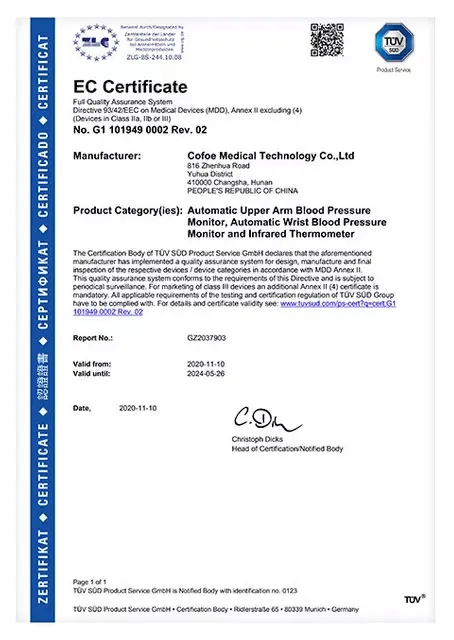
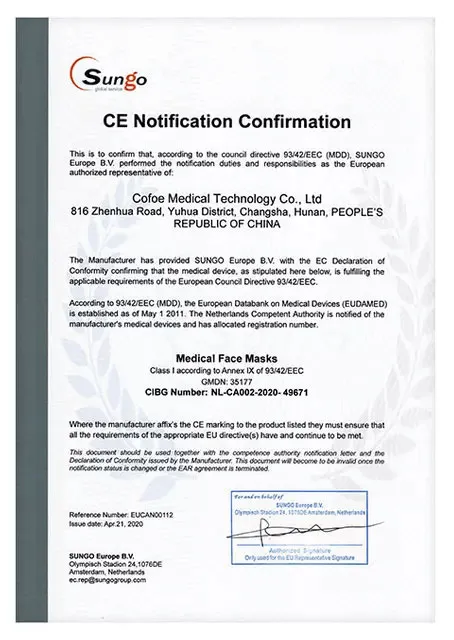
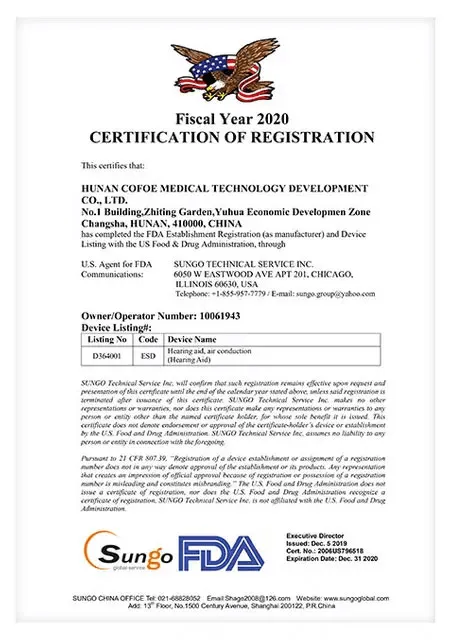
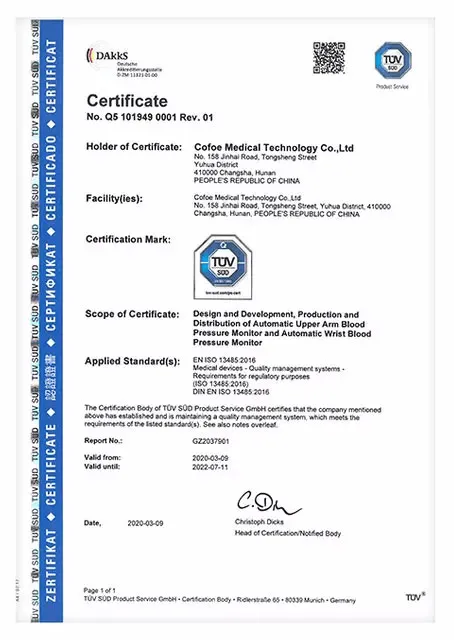
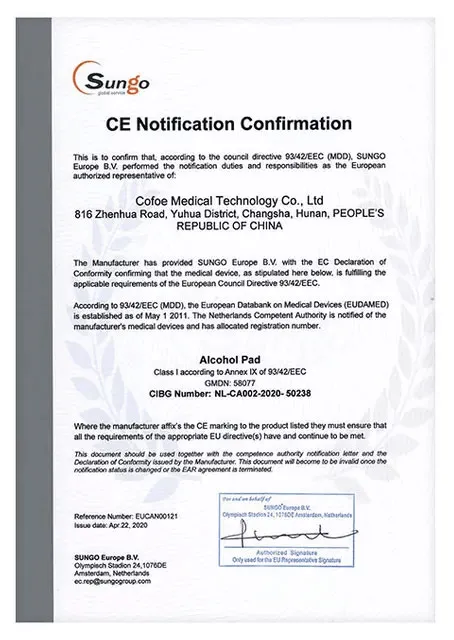
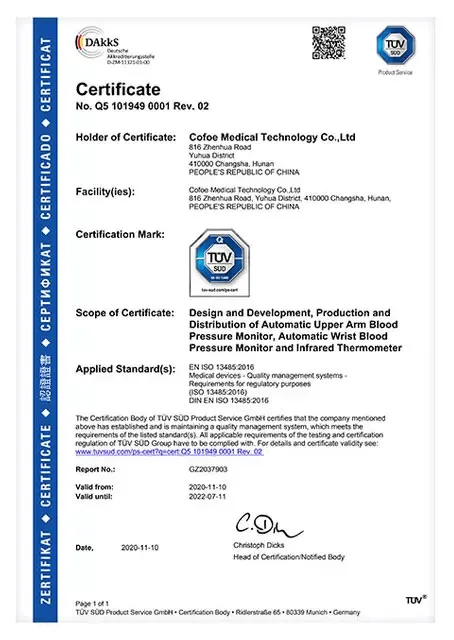
Certifications
FAQ
As one of the leading organometallic reagents manufacturers and suppliers in China, we warmly welcome you to wholesale cheap organometallic reagents for sale here from our factory. All chemical products are with high quality and competitive price.
Biphenyl 4 4 diboronic acid, 4 Chloro 2 fluorophenylboronic Acid, Ethyl 3 fluorobiphenyl 4 boronic acid