


Photoelectric Materials
Rich experience
With decades of experience in researching, manufacturing and marketing organic chemicals, we have become a global supplier of chemical research, development and manufacturing.
Professional team
Genie Chemical has a highly skilled R&D team of more than 200 people.
One-stop service
Quality inspection, production control and after-sales service, providing one-stop service.
QC
It has obtained ISO 9001 certification and has set up a dedicated testing center to implement strict quality control standards at all stages of the production process. Quality inspectors closely monitor the production process of each product to ensure the quality of the final chemical product.
What is Photoelectric Materials
Photoelectric materials refer to materials used in the manufacture of various optoelectronic devices (mainly including various active, passive photoelectric sensors, optical information processing and storage devices, optical communications, etc.).Photoelectric materials is the basis and pilot of the entire photoelectric industry, It plays an important supporting role in the development of the whole information industry. Photoelectric materials are widely used in modern times, involving a wide range of areas such as: communications, lighting and other fields. The application of photoelectric materials has made important progress in solar cells, photoelectric switches, image recording, optical storage, and photocatalytic synthesis, environmental protection and other aspects.For the use of solar energy and other light energy opened up a wide range of ways.


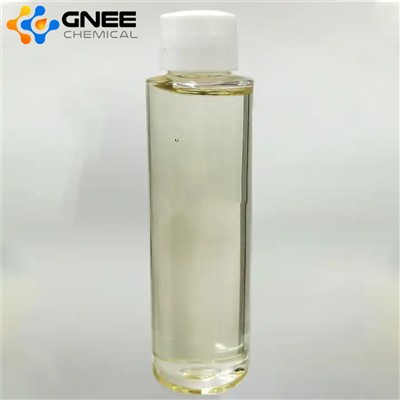


![CAS:1609373-99-0 | 2-Methyl-8-(pyridin-2-yl)benzofuro[2,3-b]pyridine](/uploads/40900/small/cas-1609373-99-0-2-methyl-8-pyridin-2-yl6551a.jpg?size=400x0)
Benefits of Photoelectric Materials
High light absorption rate
Good light absorption performance is a necessary condition for optoelectronic materials, which can effectively improve its conversion efficiency;
High photoelectric conversion efficiency
For applications such as solar cells, photoelectric conversion efficiency is one of the core indicators. Efficient photoelectric conversion can increase the output power of the battery;
Photocurrent response speed is fast
The faster the response speed of photoelectric materials, the faster they can respond to external changes and improve their application effects for fields such as photoelectric sensors;
Good stability
Optoelectronic materials have high performance stability in various environments and can meet the needs of long-term stable operation.
Solar Panel
Solar panel convert light energy into electricity with the help of Photoelectric Materials. When the photons of sunlight falls on the semiconductor installed on the solar panel, they displaces the electrons from their atoms and movement of electron causes generate electricity.
Light Sensors
Photo cells are used in light sensors, when light falls on the photo cells it creates electric energy which can be used to trigger various switches like automatic light on-off system.
Digital Cameras
CMOS (Complementary Metal-Oxide-Semiconductor) or CCD (Charge-Coupled Device) sensor is used in digital camera which uses the principles of photo electric effect which converts light energy into electrical signals. These electrical signals are used to create digital image.
Barcode Scanners
Photodiodes are used in the scanner when it placed on the barcode intensity of the light changes. Photoelectric Materials is used to convert these lights into digital which can be used identify the product.
Smoke Detector
Light source and a photosensitive sensor are used in the smoke detector to detect the fire. When smoke enter inside the case of sensor it scatters light on the sensor which triggers the alarm and started sprinkling water.
Security Systems
Security system uses photoelectric sensor to detect the motion of an object. It works by emitting light rays and measure it’s reflection. Changes in the intensity of the reflected light indicates the motion of the object or presence of the any object which trigger the alarms and alert the security personnel.
X-Ray Photoelectron Spectroscopy (XPS)
X-Ray Photoelectron Spectroscopy involves irradiating a surface with x-rays and measuring the kinetic energy of the electrons that are released. It is used to learn important features of a surface’s chemistry, such as elemental composition, chemical composition, the empirical formula of compounds, and chemical state, can be acquired.
Main Components of Optoelectronic Materials
Infrared materials
Materials used to manufacture various optoelectronic equipment, mainly including infrared detection materials and infrared wave-transmitting materials, with a wavelength range of 3 to 30 μm.
Laser material
It is used in the manufacture of lasers and is an indispensable component of optoelectronic equipment.
Optical fiber materials
Used for optical communication and optical information processing, it is a key part of optical fiber networks and optical communication systems.
Nonlinear optical materials: used in optical information processing and storage devices, have nonlinear optical effects, and can process and store optical signals.
Gallium arsenide (gaas)
It belongs to the cubic crystal system and has a direct transition energy band structure. The electron mobility is about 8 times higher than that of silicon, and the intrinsic resistivity is 3 orders of magnitude greater than that of silicon. It can be used to make photonic components and electronic components.
Indium phosphide (inp)
Direct bandgap semiconductor materials are suitable for making optoelectronic integrated devices for optical fiber communications.
Semiconductor optoelectronic materials (III-V group)
Including gallium arsenide and indium phosphide, etc., they are the foundation and leader of the optoelectronics industry.
Organic semiconductor optoelectronic materials
Materials composed of organic molecules used for photoelectric conversion and optical signal processing.
Inorganic crystals and quartz glass
Used for the transmission and processing of optical signals, with excellent optical performance.
Key Points Photoelectric Materials Market Size Projection in 2024
Technological Advancements
Continuous innovation and improved functionalities in Organic Photoelectric Materials products are crucial drivers of market growth. Companies are investing in cutting-edge technologies to enhance product performance, reliability, and user experience. These advancements not only attract new customers but also retain existing ones by meeting evolving demands.
Increasing Consumer Demand
There is a growing preference for Organic Photoelectric Materials solutions among consumers, fueled by their effectiveness, efficiency, and convenience. As more individuals and businesses recognize the benefits of Organic Photoelectric Materials, the market is expected to see a substantial rise in demand, contributing to overall growth.
Expanding Applications
The adoption of Organic Photoelectric Materials across various industries, including healthcare, finance, and manufacturing, is broadening the market's scope. Each sector leverages Organic Photoelectric Materials solutions to optimize operations, reduce costs, and improve service delivery, which in turn drives market expansion.
Strategic Partnerships
Collaborations and alliances are essential for enhancing market reach and capabilities. Strategic partnerships enable companies to combine expertise, share resources, and access new markets more effectively, fostering growth and innovation within the Organic Photoelectric Materials market.
R&D Investments
Increased funding for research and development is pivotal in driving product innovation. Companies are allocating substantial budgets to R&D to develop new Organic Photoelectric Materials solutions, improve existing ones, and stay competitive in a rapidly evolving market.
Market Valuation
The Organic Photoelectric Materials market is projected to reach a significant financial milestone by the end of 2024. This valuation reflects the market's robust growth prospects and the increasing adoption of Organic Photoelectric Materials solutions worldwide.
How to Choose Photoelectric Materials And Metal Materials
![CAS:159-62-6 | Spiro[Fluorene-9,9'-Xanthene]](https://www.Gnee Bio.com/uploads/40900/page/small/cas-159-62-6-spiro-fluorene-9-9-xanthene10bf0.jpg "productcate-1-1")
Overview of Optoelectronic Materials and Metallic Materials
Optoelectronic materials refer to materials that can absorb or emit light signals. They have excellent optoelectronic properties and are widely used in optoelectronic devices, optical fiber communications, solar cells and other fields. Metal materials refer to materials with metallic properties, such as gold, silver, copper, iron, etc., which have good electrical and thermal conductivity, high strength and toughness, and are widely used in manufacturing machinery, construction, electronic components and other fields.

Comparison of application scenarios of optoelectronic materials and metal materials
Optoelectronic materials are suitable for scenarios that require optical signal processing, such as manufacturing solar cells, lasers, etc.; while metal materials are suitable for scenarios that require energy transfer and processing, such as manufacturing vehicles, mechanical parts, etc. In addition, optoelectronic materials can also be used to manufacture optical devices, such as lenses, lenses, etc., while metal materials can be used to manufacture electronic components, wires, etc.

Comparison of performance of optoelectronic materials and metal materials
Optoelectronic materials have good photoelectric properties, such as high radiation sensitivity, wide spectral response range, high photoelectric conversion efficiency, etc., but their mechanical strength and chemical stability are relatively poor. Metal materials have good mechanical properties and chemical stability, but their transmittance is relatively low and they are susceptible to environmental oxidation and corrosion.
Comparison of the advantages and disadvantages of optoelectronic materials and metal materials
The advantages of optoelectronic materials include high optical response speed, high signal-to-noise ratio, environmental protection and no pollution, etc.; disadvantages include susceptibility to light, chemical corrosion, and relatively high cost. The advantages of metal materials include good mechanical properties, electrical conductivity, and stability; the disadvantages include high manufacturing costs, heavy weight, and low transmittance. Therefore, when selecting materials, comprehensive considerations must be made based on actual use scenarios, performance requirements, and cost.
Process of Photoelectric Materials
The sol-gel method is a method of converting chemicals into a gel-like substance. In this method, compounds are dissolved in a solution to form a quantitative mixture, which is then subjected to desired conditions, such as heating or elevated temperature, to form a gel. This method can prepare metal oxides, transition metals, semiconductors, etc.
The precipitation method refers to the separation of solid materials precipitated in the solution from the solution through chemical reactions. This method is widely used in the preparation of nanoparticles and material particles. Typically, precipitation methods require the conversion of chemicals into a solid form.
Hydrothermal method is a chemical reaction carried out in a water environment of high temperature and high pressure. This method can produce materials with special crystal structures and chip shapes.
The vapor deposition method refers to reacting gaseous gases into solidified materials in a gas phase reaction chamber. Electroplating, thermal spraying, chemical vapor deposition and physical vapor deposition are all such preparation methods. This method is useful when preparing thin films or complex shapes.
1. Follow safe operating procedures and use appropriate protective equipment.
2. Wash the exposed parts of the body thoroughly after work, before meals, before drinking, and after defecation.
3. Check your body regularly.
4. When the skin is injured, bandage it properly.
5. Always pay attention to prevent self-contamination, especially when cleaning or replacing.
6. Do not put contaminated items, such as rags, tools, etc., in your pockets.
7. Protective equipment should be placed and washed separately.
8. Cut your nails frequently and keep them clean.
9. Do not come into direct contact with photoelectric materials chemicals that can cause allergies.
Our Factory
With decades of experience in manufacturing and marketing high-quality chemicals, Gnee Bio Company, we supply Organic Chemicals, Biochemicals, Pharmaceutical Intermediates, and more.Gnee Bio has a skilled workforce in research and development. Our team of more than 200 people is responsible for quality testing, production control and after-sales service as a one-stop service. We provide R&D and production solutions to our global customers.We adhere to the principle of "Quality First" and have obtained ISO 9001 certification. We have also set up a dedicated testing center to implement strict quality control standards at all stages of the production process. Quality inspectors closely monitor the production process of each product to ensure the quality of the final chemical products.

Certifications
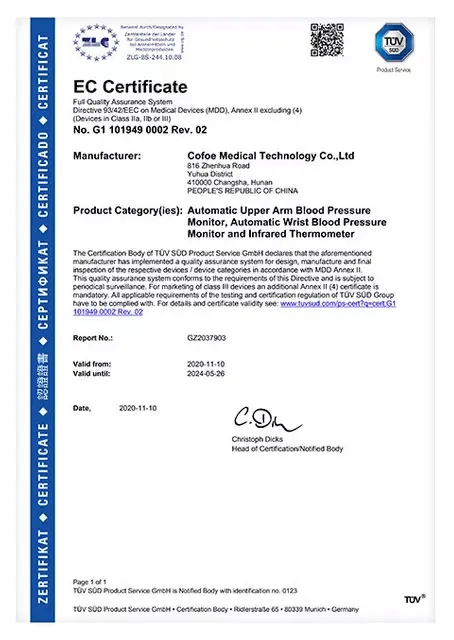
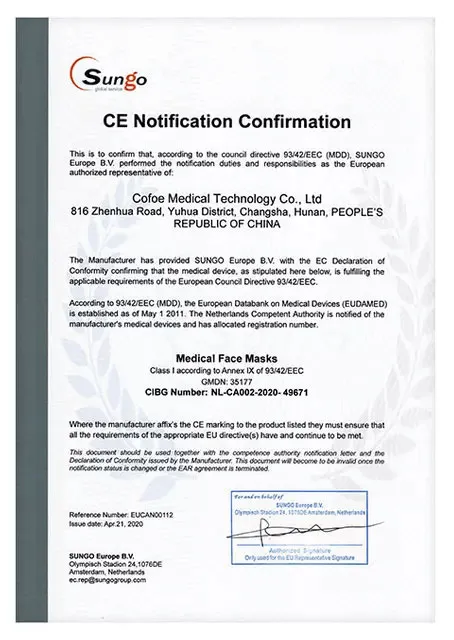
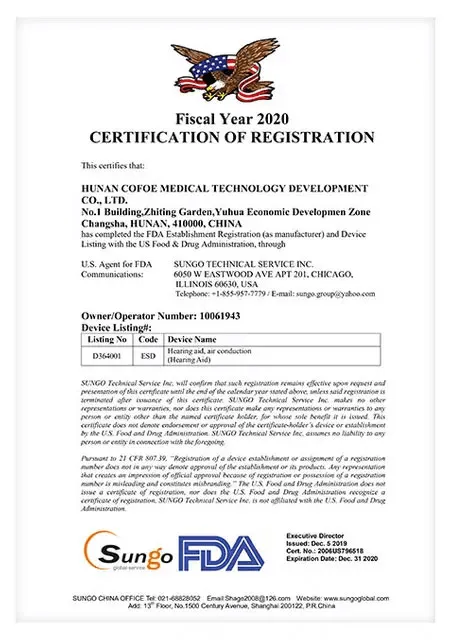
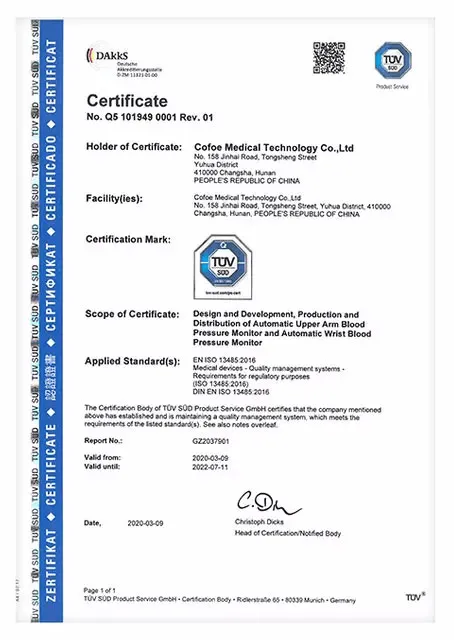
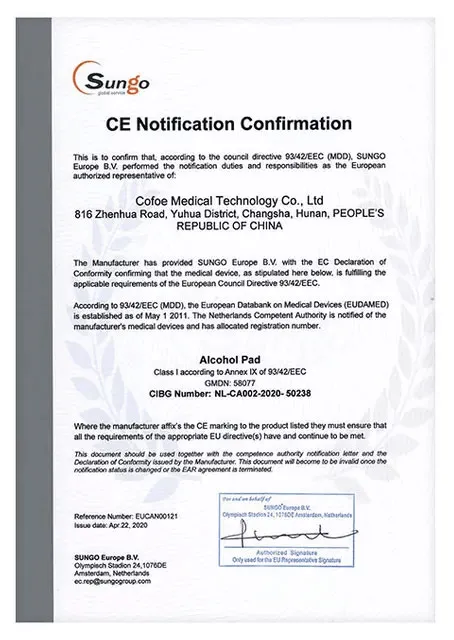
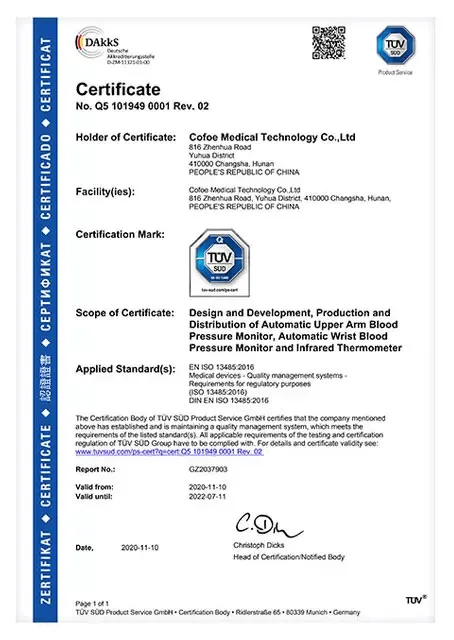
FAQ
As one of the leading photoelectric materials manufacturers and suppliers in China, we warmly welcome you to wholesale cheap photoelectric materials for sale here from our factory. All chemical products are with high quality and competitive price.
1 2 Bromophenyl naphthalene, 9H Fluorene 2 nitro 9 9 dipheny, 2 Nitro 9 9 diphenyl 9H fluorene 97