


Metal Catalysts
Rich experience
With decades of experience in researching, manufacturing and marketing organic chemicals, we have become a global supplier of chemical research, development and manufacturing.
Professional team
Genie Chemical has a highly skilled R&D team of more than 200 people.
One-stop service
Quality inspection, production control and after-sales service, providing one-stop service.
QC
It has obtained ISO 9001 certification and has set up a dedicated testing center to implement strict quality control standards at all stages of the production process. Quality inspectors closely monitor the production process of each product to ensure the quality of the final chemical product.
What is Metal Catalysts
Metal catalyst is one of the important branches of solid catalyst, and one of the earliest and most widely used catalysts. The main active groups are divided into metals. Mainly are precious metals and transition elements such as iron, cobalt and nickel. In addition, rare earth metals and many other metals can be used as catalysts. The most commonly used metal catalysts are those of group VIII metals. Metal catalysts are generally used for hydrogenation, dehydrogenation, oxidation, isomerization, cyclization, hydrolysis and other reactions.


Benefits of Metal Catalysts
The primary outstanding feature of precious metals catalysts is their higher activity, so they can accelerate chemical reactions more efficiently. This allows for faster production rates and improved product yields.Besides, the interaction between the nanoscale noble metal particles and the support will change the geometric structure and surface electrons, thus accelerating the reaction and presenting high catalytic activity.
Precious metal catalysts can be more selective in catalyzing specific reactions by reducing unwanted byproducts and increasing the purity of the final product. That is to say, the target product can be selectively generated through different catalysts.In the hydrogenation process of phenol, the palladium (Pd) catalyst is used to generate cyclohexanone. Similarly, the platinum (Pt) catalyst is applied to cyclohexane formation, and ruthenium (Ru) accelerates cyclohexanol production selectively.
The melting point of precious metals is higher than base metals. Such catalysts can withstand high temperatures, high pressures, and corrosive environments without degrading or losing their catalytic activity. Therefore, they could speed up many hydrogenation and oxidation reactions at high temperatures and under extreme conditions. This makes it used in the automotive industry to treat exhaust gas. Catalytic converters in automotive exhaust systems operate in ambient temperatures that typically exceed 800°C. At such high temperatures, many materials decompose or lose their catalytic activity, while noble metals retain their catalytic properties.
Precious metals are not easy to undergo chemical reactions under normal circumstances. With relatively stable properties, they do not easily oxidize at room temperature and will not spontaneously ignite at high temperatures. They are more stable and easy to store than some ordinary metal catalysts due to their corrosion resistance.
Types of Metal Catalysts

Non-supported metal catalyst
Refers to the metal catalyst without carrier, which can be divided into single metal and alloy according to its composition. It is usually used in the form of metallic framework, wire mesh, metal powder, metal particles, and metal chips. Among them, metallic framework is the most common one. Framework metal catalyst, is the catalytic activity of the metal and aluminum or silicon alloy, and then sodium hydroxide solution will be dissolved aluminum or silicon, forming a metal framework. Other skeleton catalysts include skeleton cobalt, skeleton copper and skeleton iron. The typical metal mesh catalysts are platinum mesh and platinum-rhodium alloy mesh. They are used in the process of ammoniation and oxidation to produce nitric acid.

Supported metal catalysts
Catalysts supported by metal components are used to improve the dispersion and thermal stability of the metal components so that the catalysts have appropriate pore structure, shape and mechanical strength. Most supported metal catalysts are prepared by impregnation of metal salt solution on the carrier and reduction after precipitation transformation or thermal decomposition.Classification of one or more metallic elements by the active component of the catalyst: Single metal catalysts and multi-metal catalyst.

Single metal catalysts
A catalyst having only one metal component.
Multi-metal catalyst
The composition of a catalyst consists of two or more metals. For example, Pt-Rh and other double (multiple) metal reforming catalysts loaded on chlorine-containing gamma-alumina. They have better performance than single metal reforming catalysts, in which a variety of metals supported on the support can form binary or multivariate clusters of metal atoms, which greatly improves the effective dispersion of the active components. In supported and non-supported polymetallic catalysts, if an alloy is formed between the metal components, it is called an alloy catalyst. Binary alloy catalystsinclude copper-nickel, copper-palladium, palladium-silver, palladium-gold, platinum-gold, platinum-copper, platinum-rhodium, etc.
Application of Metal Catalysts
Petrochemical industry
Metal catalysts are used in petroleum processing and cracking processes, such as catalytic cracking, reforming, hydrotreating, etc. They can promote reaction rates, increase product selectivity, and reduce reaction temperatures.
01
Chemical synthesis
Metal catalysts play an important role in organic synthesis. For example, noble metal catalysts are commonly used in hydrogenation reactions, oxidation reactions, and carbon-carbon bond formation reactions. They can improve reaction efficiency, selectivity and product quality.
02
Energy field
Metal Catalyst Substrates for Automotive play an important role in energy conversion and storage. For example, noble metal catalysts are used in fuel cells for electrochemical reactions such as oxygen reduction. Other metal catalysts are also used in areas such as catalytic conversion, water splitting and photocatalysis.
03
Environmental protection
Metal catalysts play an important role in environmental protection. For example, the three-way catalyst used in automobile exhaust treatment can convert harmful gases into harmless substances. Metal catalysts can also be used in wastewater treatment, air purification and organic waste treatment.
04
Pharmaceutical field
Metal catalysts are also used in drug synthesis and biomedicine. They can be used in key steps in drug synthesis, such as asymmetric catalytic reactions. Metal catalysts can also be used in biosensors and drug release systems.
05
How to Choose Metal Catalysts
Criteria for catalyst selection
When selecting a catalyst, the first step is to define the desired outcome of the reaction in terms of product yield, selectivity, purity, quality, reaction rate, temperature, and pressure. This will help narrow down the possible types of catalysts that can facilitate the reaction. Generally, you should look for a catalyst that has high activity and selectivity for the desired product, as well as stability over time and under different conditions. Additionally, consider the cost and environmental impact of the catalyst when selecting one that is suitable for the scale of your reaction.
Methods for catalyst screening
Once you have identified potential candidates for the catalyst, you need to test them in the laboratory or on a small scale to compare their performance and suitability. There are different methods for catalyst screening, such as batch reactor, continuous stirred tank reactor (CSTR), plug flow reactor (PFR), fixed bed reactor, and fluidized bed reactor. For example, in a batch reactor, a closed vessel is used where the reactants and the catalyst are mixed and heated or cooled to a desired temperature. The reaction is monitored by sampling the mixture at different time intervals and analyzing the product composition and concentration.
Examples of common catalysts
Catalysts are substances that are used to speed up chemical reactions and achieve a desired outcome. Metals, acids, bases, and enzymes are some of the most common types of catalysts. Transition metals or alloys with high surface area and electronic properties are often used for hydrogenation, oxidation, and reforming reactions. For example, platinum is a catalyst for the oxidation of carbon monoxide to carbon dioxide, which is used in catalytic converters to reduce air pollution from vehicles. Similarly, acids and bases can donate or accept protons or electrons and affect the acidity or basicity of the reaction medium. They are often used for acid-base catalyzed reactions, such as esterification, hydrolysis, and alkylation.
Challenges and opportunities for catalyst development
The field of catalysis and reaction engineering is constantly evolving, with new challenges and opportunities arising for catalyst development. Currently, there is a focus on green chemistry, which involves the design of chemical processes and products that reduce or eliminate hazardous substances while minimizing environmental impact. Nanotechnology offers the possibility of creating novel catalysts with enhanced activity, selectivity, and stability. Additionally, computational catalysis uses computational methods and tools to model, simulate, and predict the behavior and performance of catalysts and reactions, helping to understand the fundamental mechanisms and kinetics of catalysis.
What is the effect of particle size on the Metal Catalysts?
Increased Surface Area: Smaller particles have a higher surface area to volume ratio, providing more active sites for the chemical reaction to occur. This can significantly enhance the catalytic activity because more reactant molecules can interact with the catalyst surface.By maximizing the surface area available for reactions, smaller catalyst particles can facilitate faster reaction rates and higher efficiencies.
Enhanced Activity with Decreased Size: Reducing particle size often leads to an increase in catalytic activity. This is because a larger proportion of the catalytic material is exposed to the reactants, allowing for more effective interactions.There is often an optimal particle size that provides the best balance between high catalytic activity and efficient use of the material. Too small particles may agglomerate, reducing their effective surface area.
Influence on Reaction Pathways: The size of catalyst particles can influence the selectivity of the reaction, which is the ability of the catalyst to favor the formation of certain products over others. Smaller particles may offer different active sites compared to larger ones, leading to variations in the reaction pathways that are favored.By controlling particle size, chemists can tune the catalyst to optimize the yield of desired products, which is particularly important in pharmaceuticals, fine chemicals, and petrochemicals production.
Sintering and Agglomeration: Smaller particles are more prone to sintering, a process where particles coalesce and grow larger under high temperatures or reaction conditions, potentially reducing the catalyst's active surface area over time.The stability of a catalyst and its resistance to deactivation mechanisms, such as poisoning by impurities or coking (the deposition of carbonaceous materials), can be affected by particle size. Smaller particles may have higher reactivity but also a greater susceptibility to deactivation.
How to Maintain Metal Catalysts
Metal catalyst storage
Metal catalysts should be stored in a dry, ventilated, and cool place to avoid moisture, heat, and exposure to pollution. Different types of catalysts have different storage requirements, for example, metal catalysts require store in isolation from air, and photosensitive catalysts need to be sealed for storage.
Metal catalyst reduction and activation
When using new catalysts, it is often necessary to perform catalyst reduction and activation operations. Restore is activation refers to the reduction of oxides in the catalyst to metallic form, while activation refers to the process of reducing them to metallic form on the basis of reduction the formation of more active sites on the surface of the catalyst enhances its catalytic ability. Catalyst reduction and activation there are various methods of reduction, including heating reduction, reducing agent reduction, nitrogen activation, etc.
Metal catalyst surface treatment
The surface treatment of metal catalysts includes surface modification, modification, regeneration, and other operations. Surface modification refers to adding other substances to the surface of the catalyst to exhibit different catalytic behaviors or increase its mechanism mechanical strength and stability. Modification refers to the use of other substances to alter the composition and structure of a catalyst, in order to improve its activity and selectivity. Regeneration refers to the need for pre-treatment and surface treatment of recycled aged catalysts surface modification to restore its activity.
Metal catalyst testing and evaluation
The testing and evaluation of metal catalysts are important means to measure their catalytic performance and quality. In testing During the process, methods such as x-ray diffraction, transmission electron microscopy, fourier transform infrared spectroscopy, etc. Can be used multiple methods for comparative analysis and detection. When evaluating catalysts, consideration should be given to their catalytic effect maintaining time, harmfulness, and other aspects.
Our Factory
With decades of experience in manufacturing and marketing high-quality chemicals, Gnee Chemical Company, we supply Organic Chemicals, Biochemicals, Pharmaceutical Intermediates, and more.Gnee Chemical has a skilled workforce in research and development. Our team of more than 200 people is responsible for quality testing, production control and after-sales service as a one-stop service. We provide R&D and production solutions to our global customers.We adhere to the principle of "Quality First" and have obtained ISO 9001 certification. We have also set up a dedicated testing center to implement strict quality control standards at all stages of the production process. Quality inspectors closely monitor the production process of each product to ensure the quality of the final chemical products.

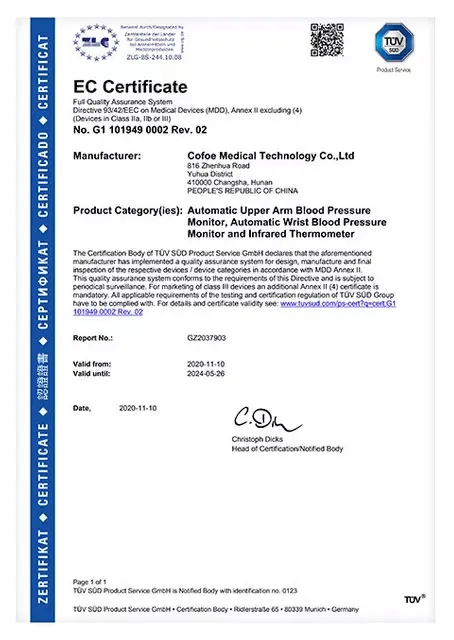
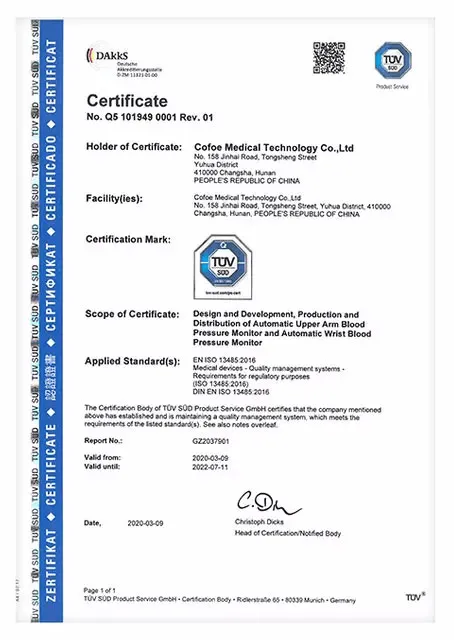
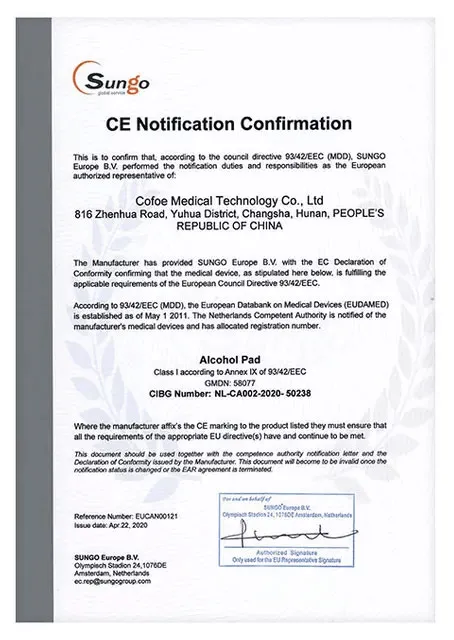
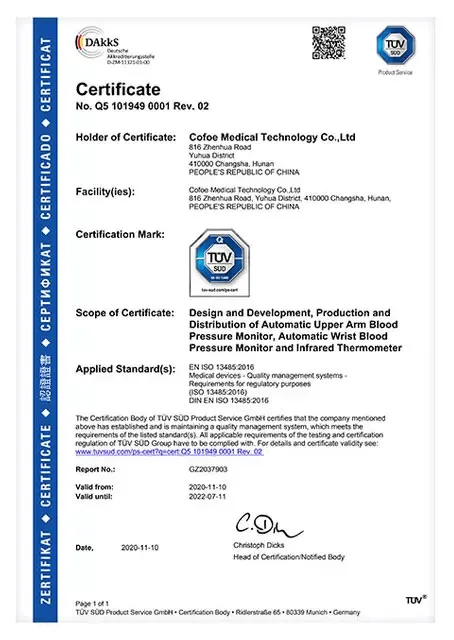
Certifications


FAQ
As one of the leading metal catalysts manufacturers and suppliers in China, we warmly welcome you to wholesale cheap metal catalysts for sale here from our factory. All chemical products are with high quality and competitive price.
Polypropylene glycol monomethyl ether, 2-Methylbenzotrifluoride