


Catalysts
Rich experience
With decades of experience in researching, manufacturing and marketing organic chemicals, we have become a global supplier of chemical research, development and manufacturing.
Professional team
Genie Chemical has a highly skilled R&D team of more than 200 people.
One-stop service
Quality inspection, production control and after-sales service, providing one-stop service.
QC
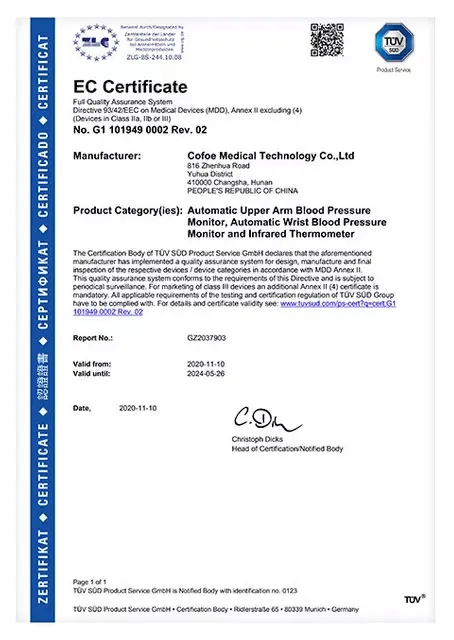
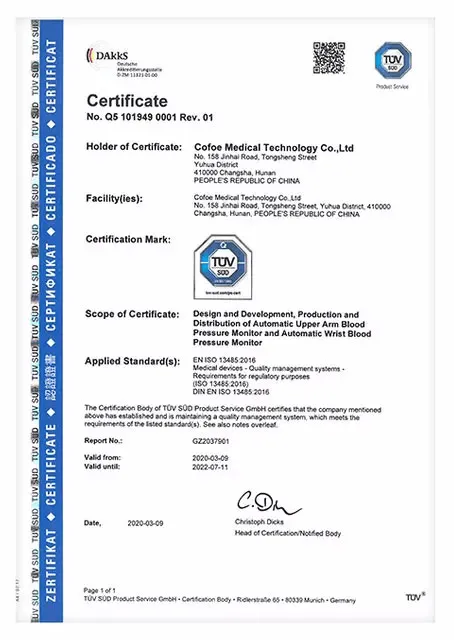
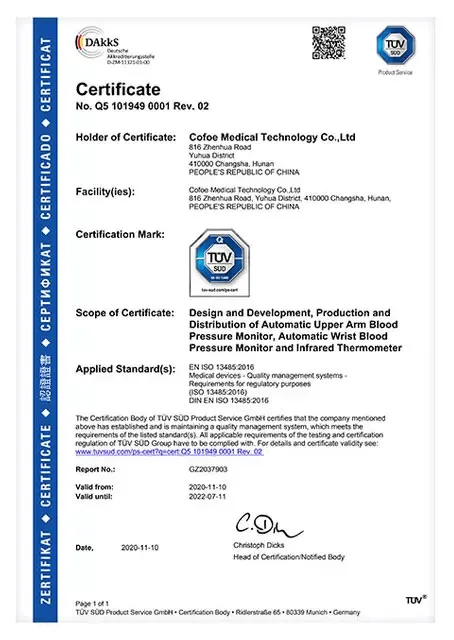
It has obtained ISO 9001 certification and has set up a dedicated testing center to implement strict quality control standards at all stages of the production process. Quality inspectors closely monitor the production process of each product to ensure the quality of the final chemical product.
What is Catalysts
Catalysts are useful tools in organic synthesis as they speed up a chemical reaction without being changed themselves, meaning they can be recovered at the end of the experiment and used again and again.Catalysts speed up reactions by offering alternative reaction pathways. The energy needed for a reaction to occur is called the activation energy. If this is very high, the reaction requires high temperatures and can be very slow. Take a look at the energy diagram here and think of it as the reaction needing to climb a very steep hill. This is very hard work and the reaction needs to use more energy to get over the top and reach the other side. This is slow work and it can be quite expensive to heat the system sufficiently to give it enough energy.


Benefits of Catalysts
Catalysts make a significant contribution to energy conservation by reducing the energy required to initiate and sustain chemical reactions. Because they lower the activation energy, less heat or other forms of energy are required to drive the reaction. This energy-saving feature is particularly beneficial for energy-intensive industries such as oil refining, chemical manufacturing, and power generation. By reducing energy consumption, catalysts help reduce production costs and minimize the environmental impact of industrial processes.
Catalysts can increase the selectivity of chemical reactions, directing them toward desired products and minimizing the formation of unwanted by-products. This property is critical for industries that must produce specific compounds, such as the synthesis of pharmaceuticals, agrochemicals, and specialty chemicals. By improving product selectivity, catalysts help reduce waste generation, lower production costs and improve overall process efficiency.
Catalysts play a vital role in environmental protection by promoting cleaner and more sustainable chemical processes. They are used in a variety of pollution control technologies, such as catalytic converters in cars, to convert harmful exhaust gases into less toxic substances. Additionally, catalysts are used in wastewater treatment plants to break down pollutants and in industrial processes to minimize greenhouse gas emissions. By promoting these environmentally friendly processes, catalysts help build a healthier, more sustainable planet.
Catalysts are critical for the synthesis of nanomaterials and the development of new materials with unique properties. They enable precise control of chemical reactions at the nanometer scale, allowing the production of materials with properties tailored to specific applications. This property is particularly useful in areas such as electronics, medicine and energy storage, where the development of advanced materials is critical to technological advancement.
Types of Catalysts

Homogeneous catalyst
In homogeneous catalysis, reaction mixture and catalyst both are present in the same phase. Both catalyst and reactants show high homogeneity which results in high interaction between them that leads to high reactivity and selectivity of the reaction under mild reaction conditions. Some examples of homogeneous catalysts are brønsted and Lewis acids, transition metals, organometallic complexes, organocatalyst. Some notable chemical processes that occur through homogeneous catalysis are carbonylation, oxidation, hydrocyanation, metathesis, and hydrogenation.

Heterogeneous catalyst
In heterogeneous catalysis, catalysts exist in a different phase than the reaction mixture. Some of the exemplary processes that use heterogeneous catalysts are Haber-Bosch process for the synthesis of ammonia, Fischer–Tropsch process to produce a variety of hydrocarbons. Heterogeneous catalysts dominate major industrial processes because of the easy separation of product and recovery of catalyst. Heterogeneous catalysts may be used as fine particles, powders, granules. These catalysts may be deposited on the solid support (supported catalysts), or used in bulk form (unsupported catalysts).

Heterogenized homogeneous Catalysts
Heterogeneous catalysts in contrast to their homogeneous counterparts are much more difficult to develop practically. One reason is their complexity, which precludes their analysis at a molecular level and development through structure–reactivity relationships. In addition, traditional heterogeneous catalysts (metal oxides or supported metals) exhibit less selectivity and reactivity. In order to surmount these issues, the homogeneous catalyst is grafted onto the solid supports to prepare their heterogenic analogs. Presently, the solid-supported homogeneous catalysts are widely recognized and well exploited in academic and industrial research. The aim of this approach is to overlap the positive features of both homogeneous (selectivity and reactivity) and heterogeneous catalyst (reproducibility) and this can be achieved through the immobilization of catalysts such as metal complexes, organometallic compounds on the solid surface either through physisorption or chemisorption. Covalent grafting of catalytic active species on solid surfaces is found to be the most favoured approach for designing heterogenized homogeneous catalyst.

Biocatalysts
Natural proteins (enzymes) or nucleic acids (RNA or ribozymes and DNAs) used to catalyze specific chemical reactions outside the living cells is called biocatalysis. Enzymes are obtained from animal tissues, plants and microbes (yeast, bacteria or fungi). High selectivity, high efficiency, eco-friendliness and mild reaction conditions are the driving forces for their large scale utilization and making biocatalysts an alternative to conventional industrial catalysts. Significant progress in the field of protein engineering and molecular evolution has revolutionized the world of biocatalysis for the industrial scale syntheses of fine chemicals, active ingredients (APIs) biofuels (e.g. lipase for the production of biodiesel from vegetable oil), dairy industry (e.g. protease, lipase for lactose removal, renin for cheese preparation), baking industry (e.g. amylase for bread softness and volume, glucose oxidase for dough strengthening), detergent manufacturing (e.g. proteinase, lipase, amylase used to remove stains of proteins, fats, starch, respectively) leather industry (e.g. protease for unhairing and bating), paper industry, textile industry (e.g. amylase for removing starch from woven fabrics). Immobilization of enzymes on solid supports turns enzymes into heterogeneous solid catalyst which enhances the activity, stability and increase the lifetime of catalyst that can be reused for many cycles.
Application of Catalysts
Environmental Cleaning
Catalysts are used in environmental cleaning processes to degrade pollutants and contaminants in air and water. There, catalysts bring about the change in the harmful pollutants that are transformed into ‘less toxic' by-products.For Example: Cars use automotive catalytic converters, which use catalysts containing platinum and rhodium to change undesirable gases from the engine into harmless gases like carbon dioxide. It helps in the reduction of emissions from vehicles and from keeping the air clean.
Petrochemical Industry
Catalysts are essential in petroleum refining processes to convert crude oil into valuable products such as gasoline, diesels etc. Refinery catalysts include zeolites, platinum, and nickel catalysts used in hydrocracking, hydrotreating, reforming, and isomerization reactions to improve fuel quality, increase yields, and meet product specifications.The change of the thick, heavy oil into lighter products like gasoline and diesel can be done via catalysis in oil refineries. This procedure (i.e. catalytic cracking) reduces the time taken and makes the refining process more effective, therefore producing more fuel from the same amount of oil.
Pharmaceutical Synthesis
In pharmaceutical synthesis, catalysts play an important role in enabling efficient and selective chemical transformations to produce pharmaceutical compounds. Catalysts help optimize reaction conditions, increase reaction rates, and improve product yields, contributing to the development of safe and effective drugs.While producing medicines catalysts are employed to accelerate the chemical reactions. They help to develop new drugs that are accessible and produced in larger quantities such as aspirin or antibiotics.
Food Production
In food production, catalysts are utilized in various processes to improve efficiency, enhance quality, and reduce production costs. They quicken reactions during food processing when used which bring out the flavour, texture, and also enhance the nutritional value.In bread baking, enzymes have the function to assist the dough to rise. They digest sugars in the dough thereby triggering the release of gases that make the bread fluffy. Similarly, in cheese making enzymes are useful in the fermentation process, resulting in distinctive taste and texture of cheese.
Sustainable Energy
Catalysts enable the conversion of renewable energy resources like biodiesel and hydrogen fuel cells to be produced. They accelerate the conversion of biomass to biofuels by producing numerous types of clean energy.In biodiesel development, catalysts are used to convert vegetable oils and animal fats into a much cleaner fuel. This process is called transesterification. This would reduce our dependence on fossil fuels and the encouraging of renewable resources to be used as an energy sources.
Catalysts: A Key Component in Chemical Reactions
The interactions between reactants and catalysts can either be physical adsorption, where reactants attach to the catalyst surface via weak Vander Waals forces, or chemical adsorption, which involves strong chemical bonds. While the former involves a rapid equilibrium due to low energy requirements, the latter, due to high energy demands, results in a slower equilibrium.
Catalysis can be classified into heterogeneous and homogeneous types. The former involves reactants and catalysts in different phases, simplifying the product-catalyst separation. Homogeneous catalysis, on the other hand, involves reactants and catalysts in the same phase, offering higher activity per unit mass and superior selectivity due to the higher mobility of catalyst molecules.
An effective catalyst includes active species, promoters, stabilizers, and supports, along with inevitable impurities from the manufacturing process. Active species are the primary catalyst components that interact with reactants, promoters enhance catalyst efficiency, stabilizers prevent heat degradation, and supports offer mechanical strength and a high surface area to the catalyst.
The choice of a catalyst is guided by factors like its lifespan, stability, activity, selectivity, compatibility with the process, regeneration capability, and cost-effectiveness. The best catalyst is the one that achieves the desired conversion at a lower temperature. However, it's important to note that reaction kinetics might differ at higher temperatures.
Characteristics and functions of catalysts
Catalysts can speed up reaction rates
The catalyst can change the energy state of the reactants through chemical reactions with the reactants, thereby reducing the activation energy of the chemical reaction and speeding up the reaction rate.
The catalyst does not participate in the reaction
The catalyst is consumed during the reaction, but it does not directly participate in the reaction itself, so it can still be separated from the reactants at the end of the reaction.
Catalysts can selectively reduce activation energy
Catalysts can selectively act on certain chemical bonds, thereby promoting only specific reaction pathways without affecting other chemical bonds and reaction pathways.
Catalysts are highly efficient
Compared with other methods, catalysts can complete catalysis at very low concentrations, so using catalysts can greatly improve the efficiency of the reaction.
Catalysts can be reused
Although catalysts are consumed during the reaction process, they can usually be regenerated to regain catalytic activity and continue to catalyze the reaction.
Catalysts are specific
Different catalysts are specific for different reactions, so using different catalysts can promote different reactions.
How to Choose Catalysts
Understanding Vanadium Pentoxide (V2O5)
Vanadium pentoxide is a transition metal oxide catalyst known for its exceptional redox properties. Before delving into the selection process, it is crucial to understand the fundamental characteristics and behavior of V2O5 in catalytic applications.
Defining Reaction Requirements
The initial step in catalyst selection involves a clear definition of the reaction requirements. Consideration of reaction type, reactant characteristics, and desired products lays the foundation for a targeted selection process.
Exploring Catalyst Types
Familiarize yourself with the different types of catalysts, including heterogeneous and homogeneous catalysts. Evaluate the advantages, disadvantages, and suitability of these types for specific reactions to make an informed decision.
Analyzing Reaction Kinetics
The kinetics of the target reaction play a significant role in selecting an appropriate catalyst. Different catalysts may exhibit varying effects on reaction rates, so understanding the kinetics is crucial for optimal performance.
Assessing Catalyst Activity and Stability
Examine the activity and stability of vanadium pentoxide under the operating conditions of your process. Consider the potential impact of catalyst deactivation over time and choose a catalyst with stability aligned with the intended operational lifespan.
Considering Selectivity
The selectivity of the catalyst is paramount, especially when dealing with reactions that can produce multiple products. Choose a catalyst that promotes the desired product while minimizing the formation of by-products.
Factors Influencing Catalyst Performance
Catalyst Composition and Structure
The performance of a catalyst is influenced by its composition (types of active metals), structure (shape, size, and support materials), and number of active sites. The availability of active sites and the surface area of the catalyst significantly impact its efficiency. Catalyst support materials also play a crucial role in stabilizing and enhancing catalyst activity.
Reaction Conditions and Operating Parameters
Factors such as temperature, pressure, reactant concentration, velocity & flow path of reactants and heat transfer can affect catalyst performance. Optimal reaction conditions must be determined to maximize catalyst efficiency (reaction completion) and selectivity (production of desired products vs. co-products).
Catalyst Characterization Techniques
Various spectroscopy, microscopy, and surface area analysis techniques allow for the characterization of catalysts. Understanding the catalyst's structure and surface properties aids in developing strategies for improvement. Small details such as a solid material's crystal structure and how different materials bond to each other can have significant impacts on the overall catalyst performance.

Catalyst Development and Optimization
Catalyst Synthesis Methods
Traditional methods like impregnation and precipitation are commonly employed for catalyst synthesis. However, modern approaches such as nanocatalysts and immobilization techniques offer enhanced performance and control.
Catalyst Testing and Evaluation
High-throughput screening techniques enable the rapid evaluation of catalyst performance. Metrics such as conversion, selectivity, and yield are used to assess catalyst efficiency and suitability for specific reactions. Longevity and stability assessments are vital for practical applications.
Strategies for Catalyst Optimization
Catalyst optimization involves studying structure-activity relationships, incorporating promoters or modifiers, and designing catalyst recovery and recycling processes. These strategies contribute to improving catalyst performance and cost-effectiveness.
Challenges & The Future of Chemical Catalysts
Characterizing catalysts at the atomic and molecular levels is essential for understanding their structure-activity relationships and designing optimized catalysts. Advanced techniques such as in situ spectroscopy, microscopy, and surface science methods provide insights into the active sites, surface morphology, and reaction mechanisms of catalysts.Additionally, computational modeling and simulations play a vital role in predicting catalytic behavior, elucidating reaction mechanisms, and screening potential catalyst candidates. The advancement of these characterization and modeling tools contributes to more efficient catalyst development and optimization.
Catalyst Design for Complex Reactions
One of the primary challenges in catalyst research is developing efficient catalysts for complex reactions. Many chemical transformations involve intricate reaction mechanisms with multiple intermediates and products.Designing catalysts that can selectively promote specific pathways and control reaction kinetics in such systems requires a deep understanding of reaction mechanisms and catalyst properties. Researchers employ advanced techniques such as computational modeling, spectroscopy, and kinetic analysis to elucidate the intricacies of these reactions and guide catalyst design.
Environmental and Sustainability Considerations
In today's world, sustainability and environmental impact are paramount concerns. Catalyst research is shifting towards developing environmentally friendly and sustainable solutions. Scientists are exploring catalysts that minimize or eliminate the use of toxic or rare materials, reduce energy consumption, and decrease greenhouse gas emissions.Developing catalysts for renewable energy production, carbon capture and utilization, and green chemistry applications is crucial for achieving a more sustainable future.
Integration of Catalysts with Other Technologies
The integration of catalysts with other technologies opens up new avenues for innovation. Researchers are exploring the synergistic effects of combining catalysts with biocatalysis, enzymes, or other emerging technologies such as metallocenes.This integration allows for the development of hybrid catalyst systems that can harness the strengths of multiple catalytic processes, enabling more efficient and selective transformations. The field of cascade reactions, where multiple reactions occur consecutively in a single reactor, is an exciting area of research that exemplifies the integration of different catalytic systems.
Our Factory
With decades of experience in manufacturing and marketing high-quality chemicals, Gnee Bio Company, we supply Organic Chemicals, Biochemicals, Pharmaceutical Intermediates, and more.Gnee Bio has a skilled workforce in research and development. Our team of more than 200 people is responsible for quality testing, production control and after-sales service as a one-stop service. We provide R&D and production solutions to our global customers.We adhere to the principle of "Quality First" and have obtained ISO 9001 certification. We have also set up a dedicated testing center to implement strict quality control standards at all stages of the production process. Quality inspectors closely monitor the production process of each product to ensure the quality of the final chemical products.

Certifications



FAQ
As one of the leading catalysts manufacturers and suppliers in China, we warmly welcome you to wholesale cheap catalysts for sale here from our factory. All chemical products are with high quality and competitive price.