


News
-

30
Jul
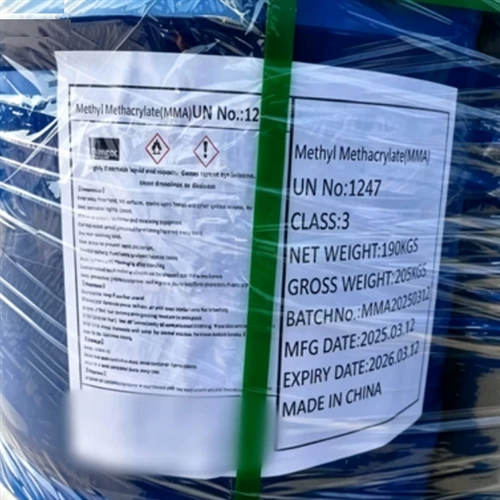
Methyl Methacrylate (MMA) Vs Poly Methyl Methacrylate (PMMA): Differences And...Methyl methacrylate (MMA) and its polymer, poly(methyl methacrylate) (PMMA), are often confused despite serving entirely different roles in the acrylic supply chain. This guide compares their chemi...
Read More -
29
Jul
Methyl Methacrylate Specification Guide: Purity, Impurity Limits, And COA Req...Methyl methacrylate (MMA) quality goes beyond a single purity number. This guide covers the specification parameters that actually matter for industrial buyers — moisture, inhibitor content, acidit...
Read More -

15
Jul
Are Methanol And Cyclohexanone Miscible? Solubility And Compatibility GuideMethanol (CAS 67-56-1) and cyclohexanone (CAS 108-94-1) belong to two different solvent classes — a polar protic alcohol and a polar aprotic ketone — yet they are fully miscible, forming a stable, ...
Read More -

08
Jun
Acetic Acid vs Glacial Acetic Acid: Key Differences, Uses & Which One to BuyAcetic acid and glacial acetic acid are the same chemical compound (CH₃COOH), but they differ in purity and water content. Glacial acetic acid contains 99–100% acetic acid with minimal water (<0.5%...
Read More -

18
May
Difference Between Ethylene Glycol And Glycerol in Antifreeze, Cosmetics, And...Ethylene glycol and glycerol differ fundamentally in molecular structure, with ethylene glycol containing 2 hydroxyl groups (C₂H₆O₂), while glycerol contains 3 hydroxyl groups (C₃H₈O₃), which resul...
Read More -

07
May
Properties And Industrial Applications Of Glacial Acetic Acid (GAA)Glacial acetic acid is one of the most important industrial organic acids because of its high purity, strong solvency, stable chemical properties, and wide application range in chemical manufacturi...
Read More -

07
May
What Are The Hazards Associated With Using Glacial Acetic Acid?Glacial acetic acid (CAS 64-19-7) is highly corrosive, combustible under certain conditions, and potentially harmful to human health if improperly handled, making safe storage, transportation, and ...
Read More -

07
May
Advantages Of Using Glacial Acetic Acid Across Various IndustriesGlacial acetic acid delivers high industrial value across chemical manufacturing, food preservation, textiles, and pharmaceuticals due to its high purity (≈99–100%), strong reactivity, and wide fun...
Read More -

07
May
Glacial Acetic Acid: Benefits, Industrial Applications & SafetyGlacial acetic acid (CAS 64-19-7) remains one of the most important industrial chemicals worldwide because it offers high purity, strong solvency, cost efficiency, and broad application value acros...
Read More -

21
Apr
Applications Of Acetonitrile (CAS No. 75-05-8) in Chemical Analysis, Pharmace...Acetonitrile (CAS No. 75-05-8), also known as methyl cyanide, is a highly polar aprotic solvent widely used in chemical analysis, pharmaceutical synthesis, and industrial separation.
Read More -

21
Apr
Monoethanolamine (MEA) Vs. Diethanolamine (DEA): Chemical Properties, Applica...The ethanolamine family, comprising monoethanolamine (MEA), diethanolamine (DEA), and triethanolamine (TEA), are fundamental chemicals with broad industrial utility. While sharing a common origin f...
Read More -

21
Apr
Monoethanolamine (MEA CAS NO. 141-43-5): Benefits And ApplicationsMonoethanolamine (mea) is highly soluble in water and alcohol, and because it contains both amine and hydroxyl functional groups, it offers strong alkalinity, excellent hydrophilicity, and high che...
Read More