


Organic Chemistry
Rich experience
With decades of experience in researching, manufacturing and marketing organic chemicals, we have become a global supplier of chemical research, development and manufacturing.
Professional team
Genie Chemical has a highly skilled R&D team of more than 200 people.
One-stop service
Quality inspection, production control and after-sales service, providing one-stop service.
QC
It has obtained ISO 9001 certification and has set up a dedicated testing center to implement strict quality control standards at all stages of the production process. Quality inspectors closely monitor the production process of each product to ensure the quality of the final chemical product.
What is Organic Chemistry
Organic chemistry is a discipline that studies the structure, properties, and reactions of organic compounds and organic substances. It is an extremely important branch of chemistry. The object of organic chemistry is the chemistry of substances containing carbon atoms in different forms, also known as carbon compounds. Research on the structure of organic compounds or organic substances includes using spectroscopy, nuclear magnetic resonance, infrared spectroscopy, ultraviolet spectroscopy, mass spectrometry or other physical or chemical methods to confirm the elements, composition methods, experimental formulas and chemical formulas of their composition.


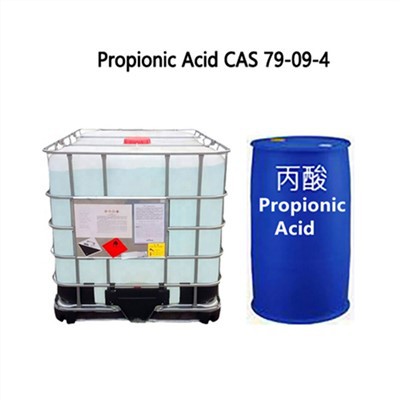


6 Reasons Why Organic Chemistry Is Important
The main reason organic chemistry is so important is that it studies chemical reactions that take place in living beings. Without organic chemistry, scientists would not have been able to explore the mechanisms of different changes occurring during metabolism. In addition, organic chemistry provides detailed information about how different organic chemicals react to other compounds and which products are released in our bodies as a result of the chemical reactions.
Since organic chemistry studies chemical reactions occurring in living beings, it is essential for understanding basic biochemical principles. Organic chemistry allows biochemists to explore specific chemical reaction mechanisms and determine factors influencing the way organic compounds react with other chemicals. Organic chemistry also contributes to biotechnology, which involves the use of living organisms and various bioprocesses to create or modify products. Without organic synthesis reactions, medical, agricultural, industrial, and environmental biotechnology branches would not have existed.
Organic chemistry is a laboratory-based science that involves the production of organic compounds from scratch. Organic chemistry leads to the synthesis of numerous useful products, including agricultural chemicals, drugs, food additives, plastics, paint, enzymes, cosmetics, and various synthetic materials. Along with synthesizing many essential substances, organic chemists develop efficient ways to produce compounds, making the overall process even more valuable.
Earth sciences comprise five major areas, including geology, hydrology, meteorology, astronomy, and environmental science. On many occasions, earth scientists rely largely on organic chemistry principles. Organic chemistry allows geologists to study different materials on earth and how they change over time. It also provides the basis for quantitative and qualitative understanding of how our planet works and evolves.
Since organic chemistry is so important in medicine and pharmacy, there is a specific branch called medicinal organic chemistry. It utilizes knowledge of organic compounds to create, refine, and improve drugs and medication techniques. Synthetic organic chemistry also contributes to the discovery, research, and development of new medicines. Understanding organic chemistry is key to predicting the action of vitamins, supplements, and drugs, allowing healthcare professionals to choose the correct prescription and dosage.
Without organic chemistry, scientists would not have been able to study natural polymers or create synthetic ones. While natural organic polymers provide basic structural materials for living beings and participate in key biochemical processes, synthetic polymers are widely used in the production industry. Polymers are used as raw materials for a wide range of products, ranging from synthetic fabric and clothing to plastic items and polymer-based paints.
Types of Reaction Mechanisms in Organic Chemistry
Substitution reactions
Including and reactions, these are when one element or group is substituted for another element or group.
Elimination reactions
Including E1 and E2 reactions, these are when one element or group is removed from a compound and replaced with an additional bond between two elements that are already present in the compound.
Addition reactions
Including nucleophilic and electrophilic additional reactions, this break a double or triple bond to add a new element or group onto the compound.
Rearrangement reactions
These do not add or remove any elements but rearrange the bonds in the compound.
Radical reactions
Most reactions rely on the movement of two electrons; radical reactions only move a single electron (or radical).
Re-dox reactions
Also called oxidation-reduction reactions, these reactions result in one product being oxidized and one being reduced.
Application of Organic Chemistry
Perfume
Whether a fragrance comes from a flower or a lab, the molecules you smell and enjoy are an example of organic chemistry.
Cosmetics
The cosmetic industry is a lucrative sector of organic chemistry. Chemists examine changes in the skin in response to metabolic and environmental factors, formulate products to address skin problems and enhance beauty, and analyze how cosmetics interact with the skin and other products.
Polymers
Polymers consist of long chains and branches of molecules. Common polymers you encounter every day are organic molecules. Examples include nylon, acrylic, PVC, polycarbonate, cellulose, and polyethylene.
Petrochemicals
Petrochemicals are chemicals derived from crude oil or petroleum. Fractional distillation separates the raw material into organic compounds according to their different boiling points. You encounter products made from petrochemicals every day. Examples include gasoline, plastics, detergents, dyes, food additives, natural gas, and medicines.
Soaps and Detergents
Although both are used for cleaning, soap and detergent are two different examples of organic chemistry. Soap is made by the saponification reaction, which reacts a hydroxide with an organic molecule (e.g., an animal fat) to produce glycerol and crude soap. While soap is an emulsifier, detergents, oily, greasy (organic) soiling mainly because they are surfactants.
Field Effect in Organic Chemistry
Inductive Effect
It is an electron delocalisation effect via σ bonds that arises due to the difference in electronegativities. For example, in a σ bonded organic compound like C-C-C-Cl, the carbon attached to the chlorine atom can be referred to as the α-carbon, and the one adjacent to that carbon as the ß-carbon and so on.Now, since chlorine is more electronegative than carbon, it withdraws the electrons that are present via the σ bond toward itself, thereby making Cα fractionally positive. Since it is devoid of electrons, Cα, now being slightly electropositive than Cß, pulls the sigma-bonded electrons of Cα-Cß bond toward itself, and in this process, it makes Cß slightly electropositive.
Electromeric Effect
It is the temporary delocalisation of π-electrons in a compound containing multiple covalent bonds. It is important to note that it is only a temporary effect, that is, it occurs only when a reagent is added. The Electromagnetic Effect in organic chemistry can be classified into two types:Positive Electromeric Effect.
Positive Electromeric Effect
When the π-electrons are given to the attacking reagent, for example, the reactions alkenes and alkynes mostly occur via +E, this reaction is also called electrophilic addition.
Negative Electromeric Effect
When the π-electrons are shifted to a more electronegative atom (O, N, S) joined via multiple bonds, it is called the negative electromeric effect. For example, the reactions of aldehydes and ketones occur predominantly by the -E effect. It is also called nucleophilic addition.
Mesomeric Effect
Molecules possessing sigma bonds and pi-bonds alternatively exhibit the mesomeric effect. The effect is exhibited due to the permanent delocalisation of π-bonds. This increases the number of resonating structures which makes the molecules of organic chemistry more stable. Such kind of a system, where there are alternative sigma and pie bonds, is called conjugated.
Resonance Effect
For certain molecules like carbonate ion (CO32-), one single Lewis structure would not be enough to explain all of the properties. In that case, the molecule is said to have more than one structure.Each of those structures can explain some of the properties but not all of the properties. The actual structure of the molecule is a hybrid of all the possible structures (canonical forms). This phenomenon is called resonance in organic chemistry. If resonance occurs, each bond would be both a single bond and a double bond at the same time, i.e. the bond order would lie between one and two.

While both chemistries study chemical and molecular bonds, the difference lies in the elements they study. While organic chemistry studies compounds based on carbon and hydrogen, inorganic chemistry looks at all other chemical elements. There are inorganic compounds containing carbon and hydrogen; however, organic compounds are not possible without carbon.
Furthermore, inorganic chemistry studies compounds created synthetically with bonds involving electrostatic interactions, which are good conductors of heat and electricity; organic chemistry focuses on compounds formed by covalent bonds, meaning they share electrons in their atoms’ last energy levels.
Production Process of Common Organic Chemical Raw Materials
Alkylation reaction
Alkylation is an important reaction that converts alkenes into alkanes. The most widely used one is the alkylation reaction of cyclic olefins, and the catalyst for this reaction is usually aluminum trifluoromethanesulfonate.
Oxidation reaction
Oxidation reactions mainly refer to the oxidation reactions of hydrocarbons, alcohols and aldehydes. Manganese dioxide and hydrogen peroxide are commonly used oxidants.
Hydrogenation reaction
Hydrogenation is a reaction that converts double or triple bonds in certain organic compounds into single bonds. Commonly used hydrogenating agents include hydrogen and aluminum-lithium alloy.

Purification of organic chemistry
Sublimation
Conversion of a substance from the solid state to the gaseous state without its becoming liquid. An example is a vaporization of frozen carbon dioxide (dry ice) at ordinary atmospheric pressure and temperature.
Crystallization
Crystallization is a method used for the purification of substances. The separation technique separates solids from a liquid.The process of turning a liquid substance into a highly structured solid whose atoms or molecules are arranged in a well-defined three-dimensional crystal lattice is known as crystallization. A unit cell is a crystal’s tiniest discrete component. There are millions of these unit cells throughout the crystal.
Distillation
Distillation is the process of selectively boiling a component in a liquid mixture and then condensing it thereafter. It is a method of separation that can be applied to either get more of one particular component out of a mixture or to separate it out almost completely.
Fractional Distillation
Fractional distillation is a type of distillation that involves the separation of miscible liquids. The process involves repeated distillations and condensations and the mixture is usually separated into component parts. The separation happens when the mixture is heated at a certain temperature where fractions of the mixture start to vaporize.
Vacuum Distillation
The boiling point depends on atmospheric pressure; if liquids are distilled in an atmosphere with lower pressure, they will boil at a temperature lower than their boiling points. The vacuum pump is used to do this. Reduced air pressure causes liquids to boil more quickly, which speeds up the entire distillation process.
Steam Distillation
Steam Distillation is a separation process for temperature-sensitive substances. It is an exclusive kind of distillation. Another option is to separate miscible liquid bases based on how volatile they are. an example would be aromatic compounds. It is essential in some industrialized areas. No chemical reaction occurs in this situation
Our Factory
With decades of experience in manufacturing and marketing high-quality chemicals, gneechem Company, we supply Organic Chemicals, Biochemicals, Pharmaceutical Intermediates, and more.gneechem has a skilled workforce in research and development. Our team of more than 200 people is responsible for quality testing, production control and after-sales service as a one-stop service. We provide R&D and production solutions to our global customers.We adhere to the principle of "Quality First" and have obtained ISO 9001 certification. We have also set up a dedicated testing center to implement strict quality control standards at all stages of the production process. Quality inspectors closely monitor the production process of each product to ensure the quality of the final chemical products.

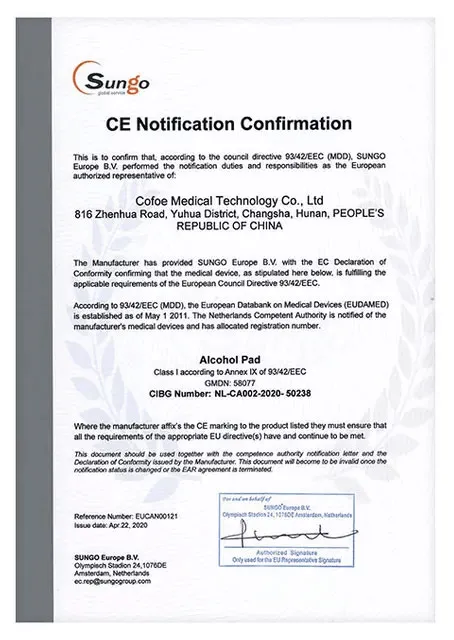
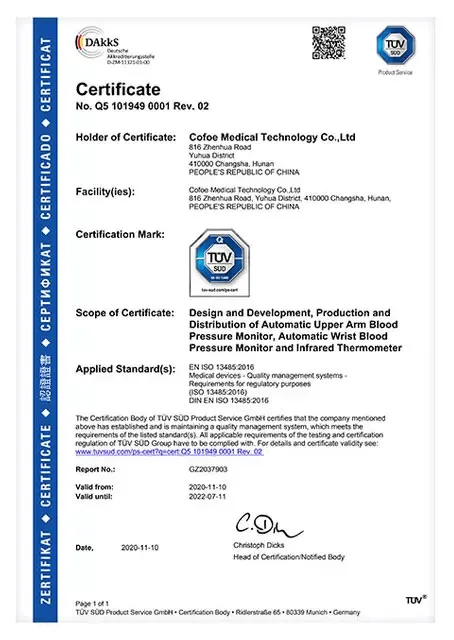
Certifications
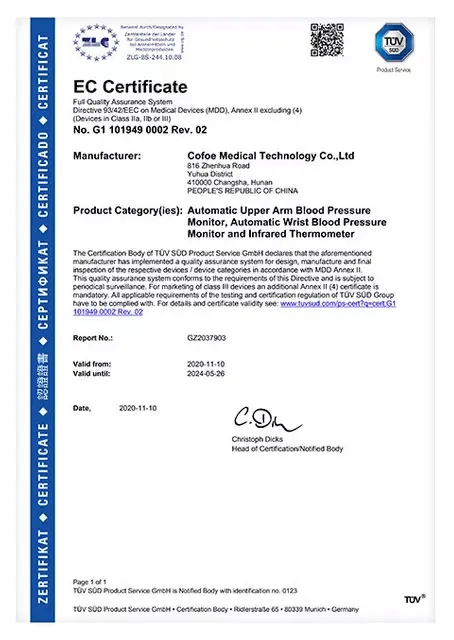

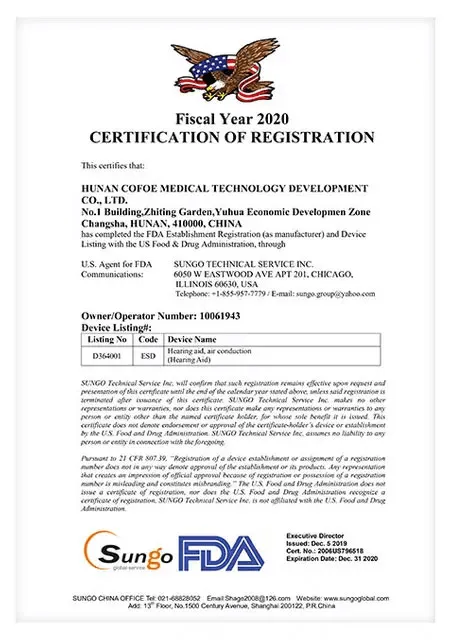
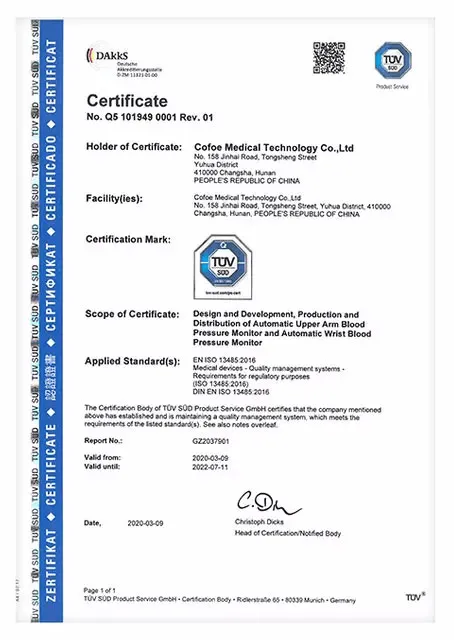
FAQ
As one of the leading organic chemistry manufacturers and suppliers in China, we warmly welcome you to wholesale cheap organic chemistry for sale here from our factory. All chemical products are with high quality and competitive price.
organic chemistry for flow chemistry, organic chemistry halogen free organic chemistry, organic chemistry functional groups