


Inhibitors
↵
Rich experience
With decades of experience in researching, manufacturing and marketing organic chemicals, we have become a global supplier of chemical research, development and manufacturing.
Professional team
Genie Chemical has a highly skilled R&D team of more than 200 people.
One-stop service
Quality inspection, production control and after-sales service, providing one-stop service.
QC
It has obtained ISO 9001 certification and has set up a dedicated testing center to implement strict quality control standards at all stages of the production process. Quality inspectors closely monitor the production process of each product to ensure the quality of the final chemical product.
What is Inhibitors
An inhibitor (also known as a retarder) is a substance used to block or slow down the speed of a chemical reaction and has the same effect as a negative catalyst. It does not stop polymerization, it only slows it down. A substance used to inhibit or moderate chemical reactions.


Benefits of Inhibitors
Tissue hypoxia is a common feature of ischemia, but activation of the HIF system occurs due to reduced supply and emission of metabolites, but the extent of this effect varies within and between ischemic tissues. HIF-PHD inhibitors increase HIF activity, thereby enhancing endogenous defense and repair responses. In models of cerebral ischemia, treatment before or immediately after arterial occlusion improves infarct volume assessment. A large number of ischemic protective mechanisms have been attributed to specific HIF target genes, including genes involved in reprogramming cellular metabolism, affecting apoptosis/survival pathways, and altering vascular permeability.
Inflammation is caused by multiple factors, including responses to pathogens, tissue damage, and immune dysregulation, and is an inherently progressive disease. The inflammation-induced high cytokine and chemokine environment and hypoxia jointly lead to the activation of HIFs, which in turn has multiple effects on immune and inflammatory cells, including differentiation, apoptosis, and effects on cytokine production. It has been reported that induction of HIF-1 activates pro-inflammatory Th17 T cells in various contexts by upregulating and coactivating the transcription factor ROR-γt and activating anti-inflammatory agents.
Exposure to mild hypoxia can have multiple health and medical benefits. Some athletes deprive themselves of oxygen intermittently to improve their endurance and performance. In medicine, exposure to mild hypoxia has positive effects on conditions ranging from chronic cardiopulmonary disease to iron deficiency and anemia, and neuroprotective effects have also been demonstrated. Luke Hunter has discovered two new inhibitors of moderate potency. These compounds show protective activity in neuroblastoma cells and have the potential to be developed as neuroprotective agents.
Types of Inhibitors

Competitive Inhibition
A molecule other than the substrate binds to the enzyme's active site, causing competitive inhibition. The inhibitor (molecule) has a structural and chemical similarity to the substrate (hence able to bind to the active site). The competitive inhibitor hinders substrate binding by blocking the active site. Since the inhibitor competes with the substrate, increasing the substrate concentration reduces the inhibitor's actions.

Non-Competitive Inhibition
A chemical binds to a location other than the active site in non-competitive inhibition (an allosteric site). When the inhibitor binds to the allosteric site, the enzyme's active site undergoes a structural shift. The active site and substrate no longer share affinity as a result of this alteration, preventing the substrate from binding. Increased substrate levels will not be able to reverse the inhibitor's action since the inhibitor is not in direct competition with the substrate.

Uncompetitive Inhibition
The inhibitor binds only to the substrate-enzyme complex in uncompetitive inhibition. In reactions involving two or more substrates or products, uncompetitive inhibition is common. Non-competitive inhibition can occur with or without the presence of the substrate, whereas uncompetitive inhibition requires the formation of an enzyme-substrate complex.
Application of Inhibitors
Pharmaceutical and health care products industry
Inhibitors play a key role in the pharmaceutical and nutraceutical industries. An initial understanding of the action of inhibitors can help pharmacologists play a role in the design process of developing new therapeutics. Most drugs treat a variety of chronic and life-threatening diseases due to their specificity and potency of the enzymes they are able to inhibit. Enzyme inhibitors are used to screen for various levels of disease, leading to the development of inhibitors. The potential for enzyme inhibitors in the therapeutic market is very high due to the easy availability of biochemical properties and classes of enzyme inhibitor products.
Analytical sensors
Another broad aspect of inhibitors is their use in analytical sensors. These sensors help monitor various environmental factors. Understanding the mechanisms of enzyme inhibition and regeneration is a common problem faced by many biochemists and biotechnologists, especially when working with immobilized enzymes.
The Role of Inhibitors In Monomer Storage, Transport, Production, And Processing
Storage and transport inhibitors
During storage, monomers are usually not exposed to high temperatures, but are exposed to oxygen due to transfers, handling, and general opening and closing of containers. Therefore, an inhibitor that works best in the presence of oxygen is needed. During storage at room temperature, monomers are slowly forming free radicals (R•) on their own that, if left unchecked, can form polymers (RRRRRRRRR....). When oxygen is present, the monomer free radical reacts with oxygen to form a peroxide:
R• + O2 --> ROO•
This reaction is several orders of magnitude faster than R• self-polymerization. Therefore an inhibitor is needed that terminates the ROO• radical because ROO• outnumbers R• radicals in stored monomer by several orders of magnitude. Phenolic type inhibitors react very quickly with peroxide radical (ROO•) in a termination step.The phenolic inhibitors do not react with the monomer free radical (R•), thus oxygen is necessary for these inhibitors to function.
Production and processing inhibitors
During monomer production and processing, high temperatures are needed during reaction and/or distillation. Because of the high temperatures, monomers are quickly forming free radicals (R•) on their own which can lead to fast polymerization. In this high temperature environment, oxygen behaves mostly as an oxidant that oxidizes the monomer causing severe yellowing and tar formation. Therefore, to reduce product oxidation (yellowing and tar), oxygen must be excluded from high temperature processes. Since oxygen cannot be completely excluded, it will react with small amounts of R• to form ROO•. Therefore, an inhibitor system is required that can quench both R• and ROO• radicals. We have already discussed the phenolic inhibitors that can terminate ROO• radicals.
How to Choose Inhibitors
Structure should be defined, and its synthesis should be reproducible. Avoid common toxic moieties and pan-assay interfering moieties (PAINS). Likewise avoid chemically reactive groups, unless required such as for covalent addition stability icon Stability (purity and chemical identity) should be preserved in relevant media with attention made to any pH sensitivity. Activity should remain in culture media. The molecule shouldn’t exhibit non-specific chemical reactivity (e.g., redox reactions or membrane destabilization).
IC50 and Ki are the most common ways to denote inhibitor potency. In the context of enzyme inhibition, IC50 indicates the concentration of an inhibitor required to reduce the rate of an enzymatic reaction by 50% under the given experimental conditions. Ki denotes the ratio of inhibitor-target complex breakdown (koff) to inhibitor-target complex formation (kon) for the binding of the inhibitor to the enzyme. The term Ki is a thermodynamic equilibrium constant and is therefore a fixed value. IC50, on the other hand, is a representation of inhibition under a defined set of conditions and will change depending on factors such as the concentration of substrate present in the reaction setting. In the case of competitive inhibitors, IC50 can be related to Ki by the Cheng-Prusoff equation: IC50=Ki*(1+[S]0/Km). This is a useful web-based tool for converting IC50 values to Ki values using different inhibitor binding models.
Profiling will define the selectivity for related targets, which is often a more critical factor than potency. Typically, in biochemical assays, a factor of >10-100-fold in potency for the target against other family members defines an inhibitor as selective for that target. Inhibitors designed to be selective for your target of interest may still bind other proteins at higher concentrations. It is important to be aware of any additional activities associated with a particular chemical class.Negative control experiments can be designed to demonstrate that the inhibitor does not effectively alter the function of any off-target proteins at the concentration used to inhibit the desired target. Well-considered negative controls such as exposing cells or proteins only to the solvent or substituting closely related inactive structural analogs, such as R/S stereoisomers, help confirm the effect of the inhibitor.
Mechanism of action is important to further define the nature of the inhibitor in order to determine how natural substrates at physiologic concentrations will modulate inhibitor efficacy and to identify any vulnerabilities associated with this mechanism. Potential inhibition events include:The inhibitor binds the enzyme, often through covalent attachment, which irreversibly inactivates it. While irreversible inhibitors are typically covalent, non-covalent inhibitors can at times be so long lived that they act as irreversible inhibitors.
Process of Inhibitors
Raw material preparation
Before entering the production process, the required raw materials need to be prepared. Generally speaking, the raw materials used are alcohols, aliphatic acids, aromatic acids, aldehydes, ketones, carboxylic acids, esters, etc.
01
Reaction
The raw materials are added to the reactor and then heated to a suitable temperature, and the catalyst is added to start the reaction. Generally speaking, the reaction temperature is approximately between 150°C and 250°C.
02
Neutralize and purify
There are some unwanted impurities in the reaction product, which need to be removed through neutralization and purification steps. Usually acid-base neutralization method is used.
03
Washing separation
After neutralization and purification, the product needs to be separated by washing to remove water and impurities.
04
Filter and dry
By filtration and drying, the product is obtained in granular or powder form. After final quality inspection, qualified products can be packaged and sold.
05
Things to Note About Inhibitors
Pay attention to how to take medicine
Inhibitors should be taken 1 hour before or 2 hours after meals to ensure optimal efficacy, and should be taken 2 times a day, 12 hours apart. If vomiting or diarrhea occurs after taking the medicine, please contact your doctor promptly to see if you need to take more medicine.
Be aware of drug interactions
Other drugs may interact with inhibitors. If you need to use other drugs, be sure to consult your doctor in advance to avoid adding more drugs that may cause damage to liver and kidney function or cause changes in the blood concentration of immunosuppressant drugs.
Pay attention to medicine storage
Inhibitors should be placed in the original box and stored in a dry, clean, cool, and dark place.
Pay attention to buying
It is recommended to purchase inhibitors through formal channels to avoid purchasing inhibitors.
Our Factory
With decades of experience in manufacturing and marketing high-quality chemicals, gneechem Company, we supply Organic Chemicals, Biochemicals, Pharmaceutical Intermediates, and more.gneechem has a skilled workforce in research and development. Our team of more than 200 people is responsible for quality testing, production control and after-sales service as a one-stop service. We provide R&D and production solutions to our global customers.We adhere to the principle of "Quality First" and have obtained ISO 9001 certification. We have also set up a dedicated testing center to implement strict quality control standards at all stages of the production process. Quality inspectors closely monitor the production process of each product to ensure the quality of the final chemical products.

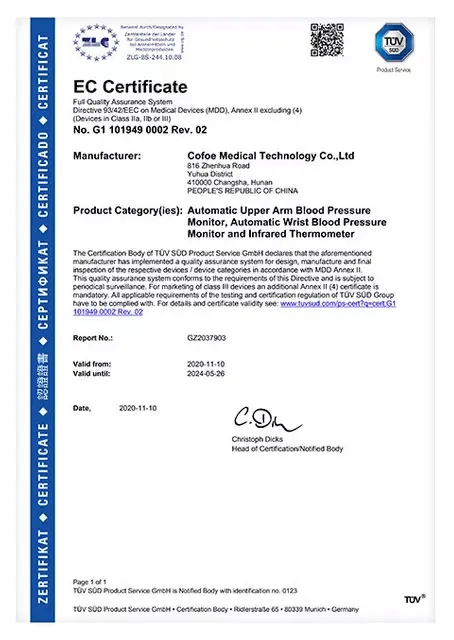
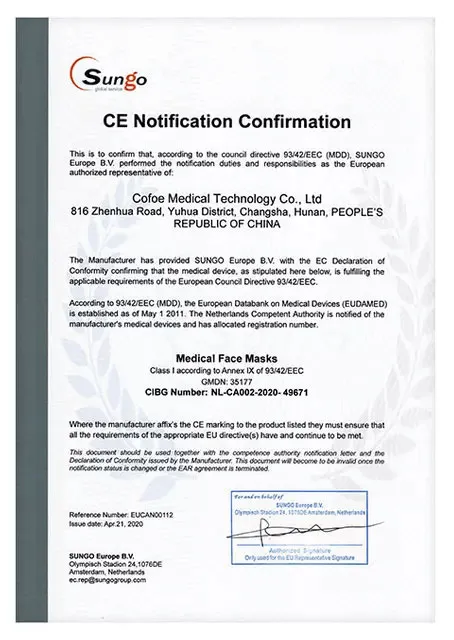
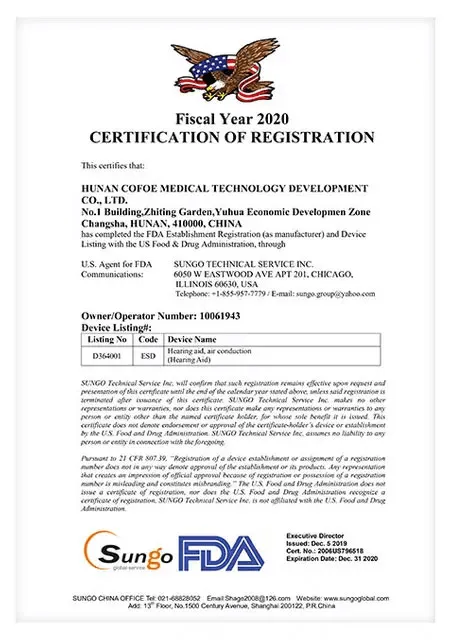
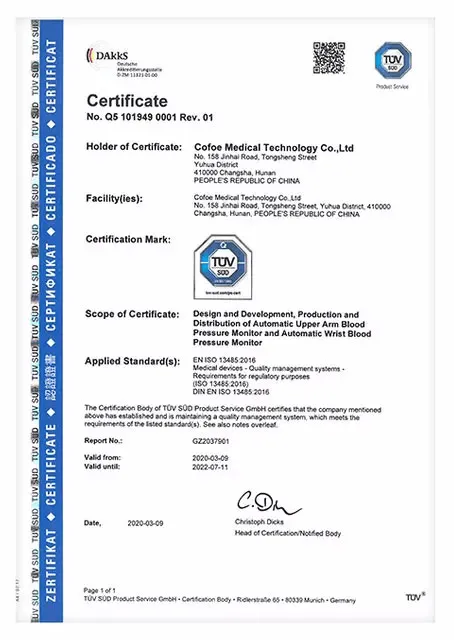
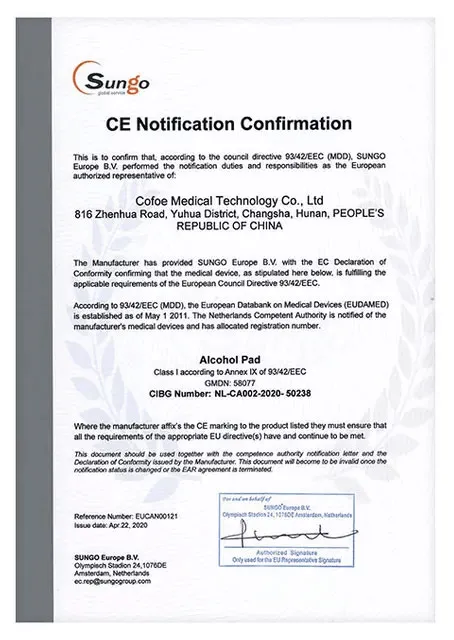
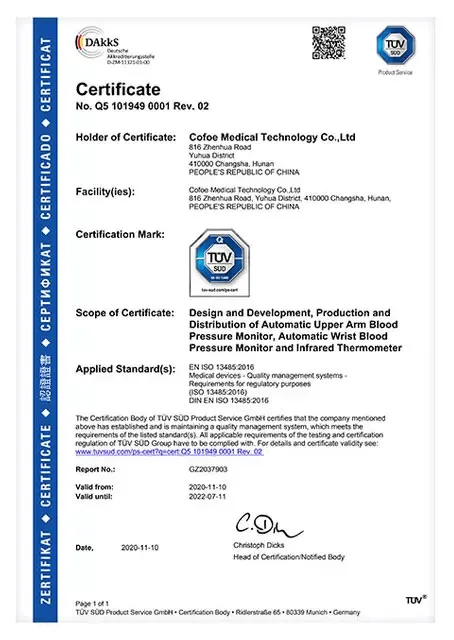
Certifications
FAQ
As one of the leading inhibitors manufacturers and suppliers in China, we warmly welcome you to wholesale cheap inhibitors for sale here from our factory. All chemical products are with high quality and competitive price.
life science news, s2aminobutyramidehydrochloride purity, 2aminobutanamidehydrochloride purchase