


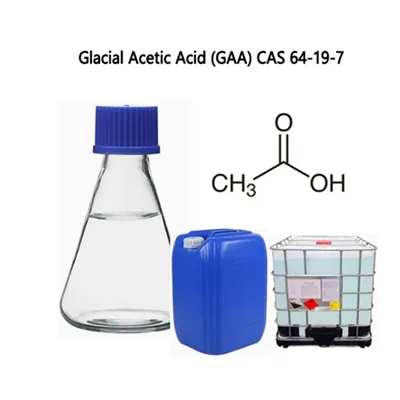


Glacial acetic acid (CAS 64-19-7) remains one of the most important industrial chemicals worldwide because it offers high purity, strong solvency, cost efficiency, and broad application value across chemical manufacturing, food processing, pharmaceuticals, and textiles. Global acetic acid demand has already exceeded 16 million tons annually, and industry forecasts show the market continuing to grow by more than 4% each year due to rising industrial consumption worldwide.

Advantages of Using Glacial Acetic Acid
One of the main advantages of glacial acetic acid solution is its versatility in manufacturing processes. With a purity level commonly reaching 99%–100%, it is widely used in the production of vinyl acetate monomer, acetic anhydride, synthetic fibers, coatings, dyes, and industrial solvents. Compared with alternative organic acids, glacial acetic acid provides more stable chemical performance and lower production costs, making it a preferred raw material for large-scale industrial operations across Asia, Europe, and North America.
Its cost-effectiveness also makes it attractive for developing markets where manufacturers require reliable chemical solutions without significantly increasing operational expenses. In the textile industry alone, thousands of tons of glacial acetic acid are consumed annually for dye fixing and pH control during fabric treatment processes.
industrial uses of glacial acetic acid
Glacial acetic acid, also known as ethanoic acid, is a colorless organic compound with a strong odor and the chemical formula CH₃COOH. With a purity of about 99–100%, it is the concentrated form of acetic acid and is widely used in chemical manufacturing, pharmaceuticals, food processing, and laboratory applications due to its strong acidity and versatile industrial properties.
Glacial acetic acid plays a critical role in several major industries. In food processing, diluted acetic acid solutions are used as preservatives to help reduce spoilage and extend shelf life during transportation and storage. This is particularly important in regions with limited refrigeration infrastructure, where food preservation directly impacts supply chain stability and food security.
In the pharmaceutical industry, glacial acetic acid is used in the synthesis of aspirin, antibiotics, and various chemical intermediates. Demand for pharmaceutical-grade acetic acid continues increasing alongside global healthcare manufacturing expansion, especially in India and Southeast Asia. The compound is also widely used in industrial cleaning agents, plastics production, and chemical synthesis because of its strong solvent properties and compatibility with large-scale production systems.
For detailed applications of glacial acetic acid, please click here.

How to Handle Acetic Acid Safely
Acetic acid must be handled with proper protective equipment, ventilation, and storage procedures because concentrated solutions can cause burns, respiratory irritation, and serious chemical hazards.
Wear chemical-resistant gloves, safety goggles, and protective clothing when handling acetic acid. In poorly ventilated areas, use an approved respirator to reduce exposure to strong vapors.
Always work in well-ventilated spaces or under a fume hood, especially when using glacial acetic acid. Vapors can build up quickly in enclosed environments and may irritate the eyes and respiratory system.
Store acetic acid in tightly sealed containers in a cool, dry area away from heat, flames, oxidizers, and alkaline substances. Industrial facilities commonly use corrosion-resistant storage systems to improve safety.
If a spill occurs, isolate the area, improve ventilation, and use a corrosive chemical spill kit for cleanup. In case of skin or eye contact, flush immediately with water for at least 15 minutes and seek medical attention if necessary.
Contact us for price, COA, and supply details. Bulk orders and global shipping available.
FAQ: Your Practical Questions About Glacial Acetic Acid
Q: What is the difference between glacial acetic acid solution and vinegar?
A: Glacial acetic acid is almost pure acetic acid (about 99%), mainly used in industrial applications, while vinegar contains only 4–8% acetic acid and is used for food purposes.
Q: How should glacial acetic acid be stored to prevent damage or corrosion?
A: It should be kept in tightly sealed, corrosion-resistant containers such as glass or suitable plastics, stored in a cool, dry place away from metals and incompatible chemicals.
Q: Is glacial acetic acid safe for food preservation?
A: It can be used in food-related applications only after proper dilution and compliance with food safety standards; it helps inhibit microbial growth when correctly formulated.
Q: What is its shelf life under proper storage conditions?
A: When stored correctly in sealed containers, it remains chemically stable for several years, although contamination or air exposure may reduce its stability over time.
Glacial Acetic Acid Specification Table
| Item | Specification |
|---|---|
| Product Name | Glacial Acetic Acid |
| Chemical Formula | CH₃COOH |
| CAS Number | 64-19-7 |
| Purity | ≥ 99.5% (up to 99.9%) |
| Appearance | Colorless transparent liquid |
| Odor | Strong pungent vinegar-like smell |
| Acetic Acid Content | 99–100% |
| Freezing Point | 16.6°C |
| Boiling Point | 118°C |
| Density (20°C) | ~1.049 g/cm³ |
| Water Content | ≤ 0.5% |
| Grade Options | Industrial grade / Food grade / Pharmaceutical grade |
Future Trends in the Global Acetic Acid Market
As sustainability becomes increasingly important in the global chemical industry, manufacturers are investing in cleaner and more efficient acetic acid production technologies. Bio-based acetic acid derived from renewable resources is gaining attention as companies seek to reduce environmental impact and meet stricter emission regulations.
At the same time, advanced purification systems and automated monitoring technologies are helping improve product consistency, workplace safety, and supply chain efficiency. With growing industrial demand and expanding global applications, glacial acetic acid is expected to remain an essential raw material in modern manufacturing for many years ahead.