


TIANJIN GNEE BIOTECH CO., LTD.With decades of experience in researching, manufacturing and marketing organic chemicals, Gnee chemicals Ltd. is now a global supplier of research, development and manufacturing chemicals.With decades of experience in manufacturing and marketing high-quality chemicals, TIANJIN GNEE BIOTECH CO., LTD.ical Company, we supply Organic Chemicals, Biochemicals, Pharmaceutical Intermediates, and more.TIANJIN GNEE BIOTECH CO., LTD.ical has a skilled workforce in research and development. Our team of more than 200 people is responsible for quality testing, production control and after-sales service as a one-stop service. We provide R&D and production solutions to our global customers.
Why Choose Us
One-stop service
Quality inspection, production control and after-sales service, providing one-stop service.
Professional team
Genie Chemical has a highly skilled R&D team of more than 200 people.
Rich experience
With decades of experience in researching, manufacturing and marketing organic chemicals, we have become a global supplier of chemical research, development and manufacturing.
QC
It has obtained ISO 9001 certification and has set up a dedicated testing center to implement strict quality control standards at all stages of the production process. Quality inspectors closely monitor the production process of each product to ensure the quality of the final chemical product.
Related Product

Vanadium is a transition metal element with the chemical symbol V and atomic number 23. It is a silvery-white metal with good ductility and malleability. Vanadium is not easily oxidized by air and water at room temperature, but will gradually rust at high temperatures or in humid environments. It can form compounds with oxygen, silicon, nitrogen and other elements, and has a variety of oxidation states.

Nickel is a transition metal with the chemical symbol Ni and atomic number 28.Nickel has a silvery-white metallic luster and has good ductility and plasticity.

CAS 15280-58-7 | Ytterbium(III) Acetate Hydrate
Ytterbium(III) acetate hydrate is a chemical substance. It is usually white crystal or white powder. It is relatively stable at room temperature, but decomposes when exposed to heat and is soluble in water and some organic solvents.

CAS 10031-51-3 | Erbium(III) Nitrate Pentahydrate
Erbium(III) nitrate pentahydrate is white crystalline solid, belongs to inorganic compounds. It is soluble in water and relatively stable in air. It is corrosive, avoid contact with skin and eyes.

CAS 25764-08-3 | Cerium Nitride
Cerium nitride is an inorganic compound. It is a pale yellow crystal with an ionic crystal structure. It is a semiconductor material with good thermal conductivity and corrosion resistance.

CAS 12125-25-6 | Lutetium Nitride
Lutetium Nitride is an inorganic compound. It is a white solid. The density is about 9.37 g/cm³.

CAS 25658-42-8 | Zirconium Nitride
Zirconium nitride (ZrN) is a compound with important applications. Zirconium nitride is a black powder with a metallic luster. It is a good electrical conductor with high conductivity. It is highly chemically stable at room temperature and is resistant to corrosion by acids, alkalis and oxidizers..

CAS 36678-21-4 | Manganese Nitride
Manganese Nitride (MnN) is a compound with unique properties and a wide range of applications. Its chemical formula is MnN, which is composed of manganese (Mn) and nitrogen (N).

CAS 12020-58-5 | Europium Nitride
Europium Nitride (99.9%-EU) is a compound with high purity. It is a solid, usually showing a dark purple or black crystal form. Europium nitride is stable in air, but can be oxidized to europium oxide under heated conditions.
Niobium transforms materials is a unique metal with properties that make it an ideal choice for a variety of applications, providing innovative and sustainable solutions for infrastructure, transportation and electrification, a truly essential key to a greener future.Niobium is roughly 10 times more abundant in the crust of the Earth than is tantalum. Niobium, more plentiful than lead and less abundant than copper in the Earth's crust, occurs dispersed except for relatively few minerals. Of these minerals, the columbite–tantalite series, in which columbite (FeNb2O6) and tantalite (FeTa2O6) occur in highly variable ratios, is the main commercial source. Pyrochlore, a calcium sodium niobate, is also the principal commercial source. Natural niobium occurs entirely as the stable isotope niobium-93.
Benefits of CAS 7440-03-1 | Niobium
Exceptional Heat Resistance
One of niobium primary advantages is its ability to withstand extremely high temperatures. This makes it perfect for applications exposed to extreme heat, such as aerospace components and industrial furnaces. The heat resistance of niobium alloy leads to improved durability and a longer lifespan for these components, reducing the need for frequent replacements and maintenance.
Superior Corrosion Resistance
Niobium excels in corrosion resistance. It forms a protective oxide layer on its surface, shielding it from corrosive environments. This ensures long-term performance and reliability, especially valuable in industries like chemical processing, marine applications, and infrastructure development, where components face harsh conditions.
Outstanding Mechanical Properties
Niobium has a high strength-to-weight ratio and excellent ductility. This combination of strength and light weight makes it an attractive choice for applications where reducing weight is crucial, such as in the automotive and aerospace industries. Using niobium alloy allows for the design and manufacture of lighter, more fuel-efficient vehicles and aircraft, ultimately improving energy efficiency and reducing carbon emissions.

Application of CAS 7440-03-1 | Niobium
Electrifying heavy-duty applications
Battery anode materials deliver exceptionally long cycle life, superfast charging capability, and outstanding safety. This leads to uniquely high operational efficiencies and record low total cost of ownership, which enables end users to sustainably electrify heavy-duty transport and industrial applications.
Aerospace
In aerospace, niobium's heat resistance benefits jet engines and aero-engine parts, ensuring performance in extreme conditions.
Electronics
Niobium enhances capacitors, electronic tubes, and optoelectronics, improving functionality and reliability in electronic devices.
Superconducting Materials
Niobium-based superconductors power MRI machines and generators, aiding medical diagnostics and energy efficiency.
Atomic Energy
Niobium's thermal conductivity and corrosion resistance are crucial for nuclear reactors and heat exchangers, ensuring safety and efficiency.
Medical
Niobium's corrosion resistance and biocompatibility make it suitable for medical implants and radiation shielding materials, enhancing patient safety.
Chemical
Its unique chemical properties contribute to advancements in semiconductors, batteries, and superalloys.
Foundry
Niobium improves wear resistance and modifies graphite sheets in cast iron, enhancing automotive component durability.
Lighting
In sodium vapour street lamps and electrical applications, niobium supports efficient lighting technology.
Optical
Niobium's contribution to lenses with enhanced light transmittance improves optical device quality.
Physical and Chemical Properties of Niobium

Ductility and Malleability
Niobium is highly ductile and malleable. This means it can be drawn into wire or hammered into thin sheets, a property essential for manufacturing and engineering applications.

Corrosion Resistance
Niobium is exceptionally resistant to corrosion, which makes it useful in environments that would degrade or damage other materials.

High Melting Point
With a melting point of about 2,468 degrees Celsius (4,474 degrees Fahrenheit), niobium can withstand extreme temperatures, making it ideal for use in high-temperature engineering applications.
Superconductivity
One of the most remarkable properties of niobium is its ability to become superconductive at cryogenic temperatures. When cooled below a certain temperature, it can conduct electricity with zero resistance, a property harnessed in various scientific and medical applications.
Niobium Delivers Cost Benefits to Steel Mills
Small amounts, lower costs
Among the microallying elements, niobium is used in the lowest amounts. Just up to 0.020% Nb is enough to provide the required strength and ductility levels, and this lean alloy design results in lower costs.
Niobium increases strength with high productivity processes
Niobium increases strength in rebar grades by better conditioning of the microstructure through solute drag and austenite grain pinning during hot work. Unlike the process for plates, beams and shapes, rebar grades do not require thermomechanical controlled processing (TMCP) to achieve grain refinement.

How to Choose CAS 7440-03-1 | Niobium
One-stop Solution
The operating temperature and chemical environment will determine the level of corrosion resistance required.
Mechanical properties
The required strength and toughness of the material should be considered.
Machinability
If the part requires machining, the ease of machining should be considered.
Cost
The cost of the material should be balanced against its suitability for the application.
Process of CAS 7440-03-1 | Niobium
Annealing
Niobium cannot be annealed using traditional jewelry-making methods; annealing must be done in a vacuum chamber with inert gas and is typically done in an industrial setting. Although the metal is very tough, once annealed, it stays soft and is very slow to work-harden.
Forming
Very ductile, niobium is extremely easy to form and manipulate--even wood tools effectively move the metal. In rolling, drawing and forging, the metal can be reduced up to 90%. In deep-drawing, where the draw is less deep than the metal diameter, niobium conforms beautifully; for multiple draws, pull at least 40% of the desired depth on the first draw. Use a tallow or drawing wax to lubricate. Note: Drawing is not recommended; in drawing, it is not advisable to use standard draw plates with the usual lubricants; a special (very costly) commercial lubricant would be required.
Drilling and Cutting
Niobium can be done with high-speed twist drills, checking often to watch for excessive wear. Use a good lubricant, such as a vegetable or water-soluble oil, water alone is not sufficient.
Blanking and Punching
Use steel dies or punches with a lubricant. Allow a clearance of at least 6% of the metal thickness.
Machining
The typical machining processes (surface speed approx. 80 ft./min.) are effective on niobium, which performs much like copper. Lubrication is a must, as the metal tends to gall easily. Avoid allowing shavings and chips to build up; this build-up can cause excess heat and pressure to accumulate and result in tool damage.
Grinding
Grinding niobium, though not easy, can be accomplished using silicon carbide wheels or rubber-impregnated wheels; again, always use a cooling lubricant.
Mass Finishing
Using standard vibratory machines, mass finishing of niobium pieces can be accomplished if the media and equipment are kept extremely clean and the media used is dedicated only to niobium work. Note: Media is a must; do not burnish niobium on itself. Avoid using highly concentrated compounds and do not over-process.
Niobium Research and Future Potential
Energy Sector Innovations
Researchers are exploring niobium-based materials for use in hydrogen fuel cells and advanced batteries, aiming to develop more efficient and sustainable energy storage solutions.
Advancements in Medical Technology
Angular Tantalum Powder is made by hydride and crush of a solid ingot (either electron beam or vacuum arc melted), and de-hydride. The particle looks angular and is non-aggregated; the bulk density is typically higher than that of nodular.
Nanotechnology Applications
Niobium's potential in nanotechnology is an exciting area of research, particularly in developing new materials with enhanced properties for a wide range of industrial uses.
Our Factory

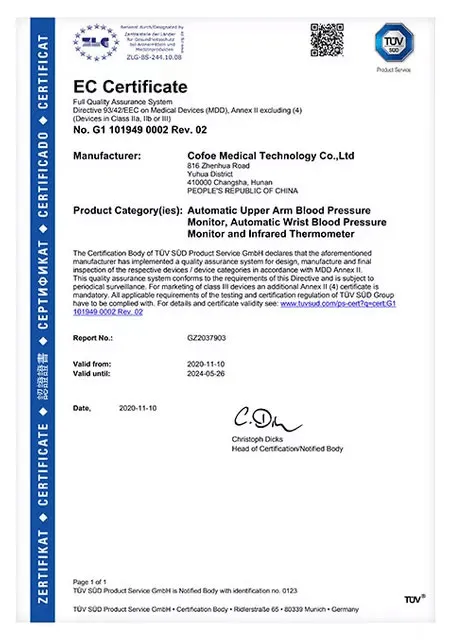
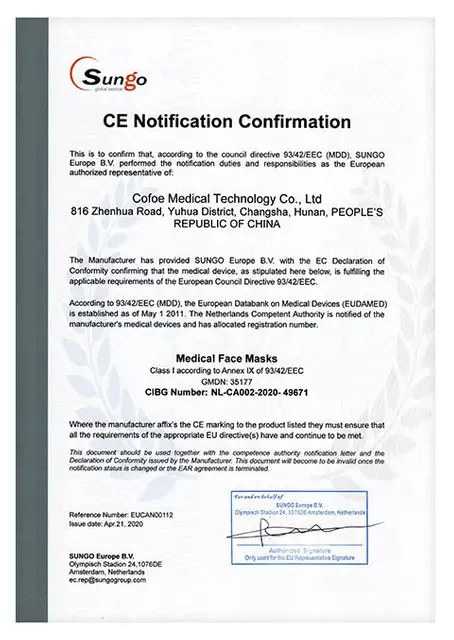
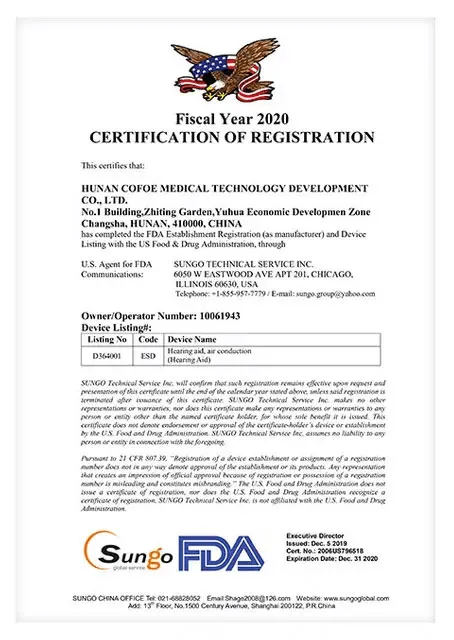
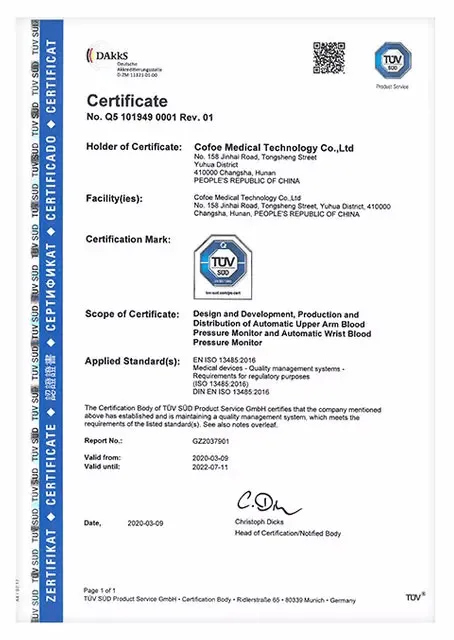
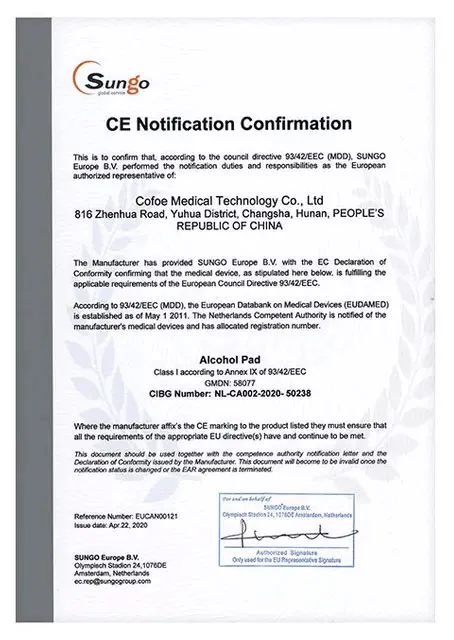
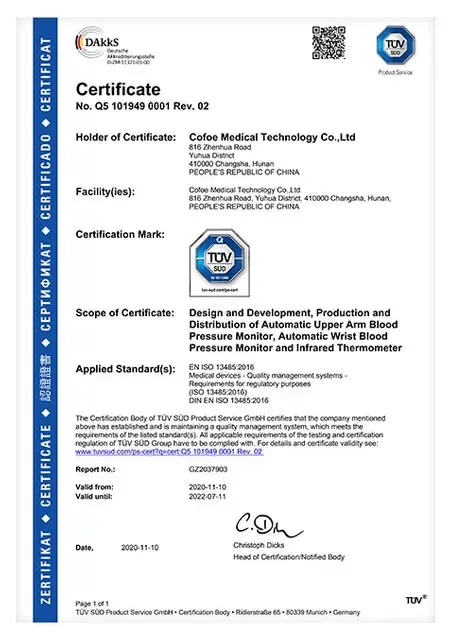
Certifications
FAQ
Hot Tags: cas 7440-03-1 | niobium, China cas 7440-03-1 | niobium manufacturers, suppliers, factory, Tantalum powder 98 , Europium III Acetate 99 99 , Lutetium nitride LuN , High Purity Nickel Powder, Europium iii acetate hydrate, High Quality Europium III Acetate Hydrate


