


Gnee ChemicalsWith decades of experience in researching, manufacturing and marketing organic chemicals, Gnee chemicals Ltd. is now a global supplier of research, development and manufacturing chemicals.With decades of experience in manufacturing and marketing high-quality chemicals, Gnee Chemical Company, we supply Organic Chemicals, Biochemicals, Pharmaceutical Intermediates, and more.Gnee Chemical has a skilled workforce in research and development. Our team of more than 200 people is responsible for quality testing, production control and after-sales service as a one-stop service. We provide R&D and production solutions to our global customers.
Why Choose Us
One-stop service
Quality inspection, production control and after-sales service, providing one-stop service.
Professional team
Genie Chemical has a highly skilled R&D team of more than 200 people.
Rich experience
With decades of experience in researching, manufacturing and marketing organic chemicals, we have become a global supplier of chemical research, development and manufacturing.
QC
It has obtained ISO 9001 certification and has set up a dedicated testing center to implement strict quality control standards at all stages of the production process. Quality inspectors closely monitor the production process of each product to ensure the quality of the final chemical product.
Related Product

Niobium is a transition metal element that has many widespread applications and syntheses. Niobium is widely used in alloy manufacturing.

CAS 62667-64-5 | Europium(III) Acetate Hydrate
Europium(III) acetate hydrate is a white or light yellow crystalline solid. Solubility: it is soluble in water and forms a lavender solution. Thermal stability: it decomposes at high temperature and releases toxic carbon dioxide gas.

CAS 25817-87-2 | Hafnium Nitride
Hafnium nitride is an inorganic compound. It is colorless crystal, soluble in water and organic solvents.

CAS 15280-58-7 | Ytterbium(III) Acetate Hydrate
Ytterbium(III) acetate hydrate is a chemical substance. It is usually white crystal or white powder. It is relatively stable at room temperature, but decomposes when exposed to heat and is soluble in water and some organic solvents.

Nickel is a transition metal with the chemical symbol Ni and atomic number 28.Nickel has a silvery-white metallic luster and has good ductility and plasticity.

Vanadium is a transition metal element with the chemical symbol V and atomic number 23. It is a silvery-white metal with good ductility and malleability. Vanadium is not easily oxidized by air and water at room temperature, but will gradually rust at high temperatures or in humid environments. It can form compounds with oxygen, silicon, nitrogen and other elements, and has a variety of oxidation states.

CAS 12020-58-5 | Europium Nitride
Europium Nitride (99.9%-EU) is a compound with high purity. It is a solid, usually showing a dark purple or black crystal form. Europium nitride is stable in air, but can be oxidized to europium oxide under heated conditions.

CAS 36678-21-4 | Manganese Nitride
Manganese Nitride (MnN) is a compound with unique properties and a wide range of applications. Its chemical formula is MnN, which is composed of manganese (Mn) and nitrogen (N).

CAS 25658-42-8 | Zirconium Nitride
Zirconium nitride (ZrN) is a compound with important applications. Zirconium nitride is a black powder with a metallic luster. It is a good electrical conductor with high conductivity. It is highly chemically stable at room temperature and is resistant to corrosion by acids, alkalis and oxidizers..
Zirconium Nitride (ZrN) is an inorganic compound with a variety of crystal structures and changes with composition. It is used in a variety of ways due to its characteristics. For example, in the Zr-N alloy system, alloy compounds that have been discovered are ZrN, o-Zr₃N₄, and c-Zr₃N₄. They not only have excellent chemical properties, they can be used not only in junctions, diffusion stacks, cryogenic gauges, etc. but also in three-dimensional integrated electric coils and metal-based transistors. At the same time, these Zr-N compounds are superior to pure zirconium in terms of wear resistance, oxidation resistance, and corrosion resistance, and have a higher superconducting critical temperature, so they may become very good superconductors and have high use. value.
Advantages of Zirconia in Dentistry


1.Zirconia crowns are highly biocompatible, as the smooth surface helps to reduce plaque accumulation. Layered zirconia crowns are highly durable. Even though the porcelain used for layering does not have the strength of solid zirconia, they are designed to bond with the zirconium substructure, making chipping or fracturing extremely rare. The material also promotes a healthy tissue response.Due to a wide variety of factors, including chemical composition and processing requirements, there are many ways zirconia can be manufactured to suit the needs of the patient. This customization minimizes the margin for error and ensures an excellent fit for each individual.
2.Zirconia is suitable for patients with metal allergies or who would prefer to have metal-free restorations.
3.Zirconia is metal-free, preventing darkening around the gingival margin in patients with thin biotypes. This eliminates the possibility of metal margins becoming exposed due to gingival recession.
4.The translucent nature of this material can transmit the color of adjacent teeth, and it is manufactured in a wide variety of shades, making it easy to match the color of the patient's natural teeth accurately.
5.Computer-aided design and manufacturing processes provide patients with a precise fit, thus reducing the chairtime required to adjust and cement these restorations.
6.Zirconia crowns are comfortable for patients as they do not transmit hot and cold like conventional PFMs.
Application of CAS 25658-42-8 | Zirconium Nitride
1.Zirconium nitride is a hard ceramic material similar to titanium nitride and a refractory material similar to cement. Therefore, it is used for refractory materials, cermet, and laboratory crucibles. When the physical vapor deposition coating process is used for coating, it is often used to coat medical equipment, industrial parts (especially drill bits), automotive and aerospace parts, and other parts that are susceptible to high wear and corrosive environments. When alloying with Al, the electronic structure develops from the local octahedral bond symmetry of cubic ZrN, which distorts as the Al content increases, becoming more complex bonding and higher hardness.
2.Zirconium nitride is used as a hard coating for drills and burs. These coatings are deposited by physical vapor deposition. Zirconium nitride-coated tools are suitable for non-ferrous metal applications, such as the machining of aluminum alloys, brass, copper alloys, and titanium.
3.Zirconium nitride can also be used as a lining for hydrogen peroxide fuel tanks in rockets and airplanes.
Zirconium Nitride (ZrN) Powder Characteristics
High Hardness
ZrN exhibits superior hardness, making it an excellent choice for applications demanding wear resistance and durability.
Corrosion Resistance
Resistant to chemical corrosion, ensuring stability and longevity in challenging environments.
Heat Resistance
Maintains structural integrity at elevated temperatures, making it suitable for high-temperature applications.
Aesthetic Appeal
The distinctive golden color adds aesthetic value, making it popular for decorative coatings.
Strength and Flexibility
The strength and flexibility of the zirconia block are two important factors to consider. Zirconia blocks are usually classified as high translucency, medium translucence or high strength.High transmittance is the most fragile, but it can bring superior aesthetics. Medium translucency is considered the most versatile, and high strength is the strongest but appears opaque.
Compatibility
The compatibility of zirconia blocks with any CAD/CAM system is very important. It is important to choose a block that is compatible with your milling machine to ensure a smooth and accurate manufacturing process.
Color
Another factor to consider is the natural color of the patient's teeth. Zirconia blocks come in a variety of colors, and it is important to choose a material that closely matches the surrounding teeth so that the restoration blends seamlessly with the rest of the mouth.
Marginal fitting
Marginal fit of the restoration is critical to ensuring dental hygiene and the long-term success of the restoration. When choosing a zirconia block, choose one with excellent marginal fit to ensure the restoration remains tight and does not allow bacterial penetration.
Reputation
It is crucial to choose zirconia blocks from a reputable manufacturer.Choose a manufacturer with a lot of positive reviews and a history of producing high-quality products. The reputation of a manufacturer indicates the overall quality of the module and the reliability of its products.
Process of CAS 25658-42-8 | Zirconium Nitride
Extracting zircon
The sand and gravel that contain zircon mixed with silicate, ilmenite, and rutile are typically collected from coastal waters by a floating dredge, a large steam shovel fitted on a floating barge. After the shovel has scooped up the gravel and sand, they are purified by means of spiral concentrators, which separate on the basis of density. The ilmenite and rutile are then removed by magnetic and electrostatic separators. The purest concentrates of zircon are shipped to end-product manufacturers to be used in metal production, while less pure concentrations are used for refractories.
Refining zircon
End-product manufacturers of zircon further refine the nearly pure zircon into zirconium by using a reducing agent (usually chlorine) to purify the metal and then sintering (heating) it until it becomes sufficiently ductile-workable-for industrial use. For small-scale laboratory use, zirconium metal may be produced by means of a chemical reaction in which chloride is used to reduce the zircon.The less-pure zircon is made into zirconia, an oxide of zirconium, by fusing the zircon with coke, iron borings, and lime until the silica is reduced to silicon that alloys with the iron. The zirconia is then stabilized by heating it to about 3,095 degrees Fahrenheit (1,700 degrees Celsius), with additions of lime and magnesia totalling about five percent.
Quality Control
The quality control methods implemented in the production of zirconium metal are typical Statistical Process Control (SPC) methods used in most metal production. These involve tracking and controlling specific variables determined by the end product requirements. Stringent government quality control is applied to all zirconium metal produced for nuclear applications. These controls assure that the zirconium produced for use in a nuclear plant has been processed correctly and also allow for accountability: processing is tracked so that it can be traced back to each individual step and location.
Our Factory

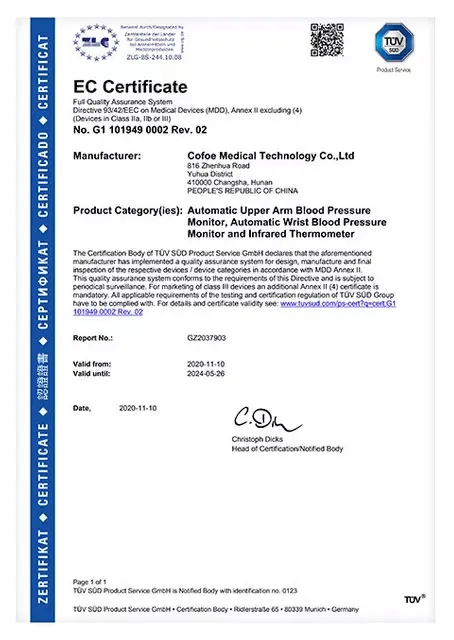
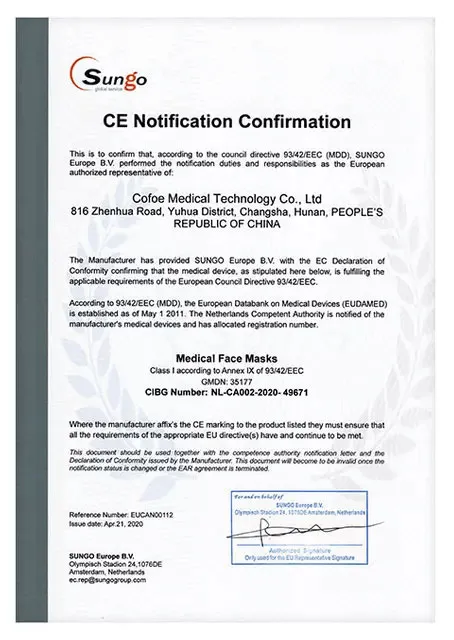
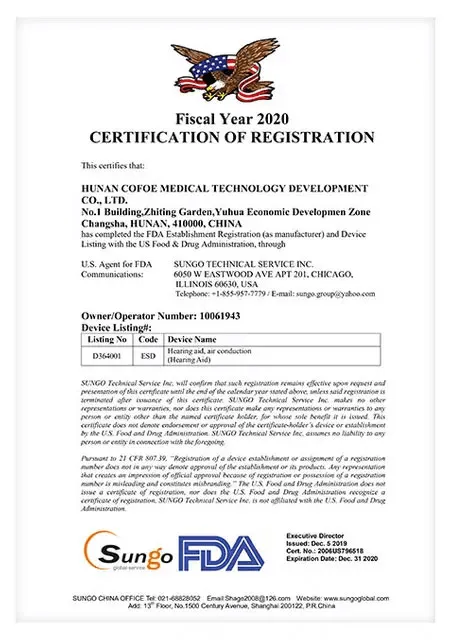
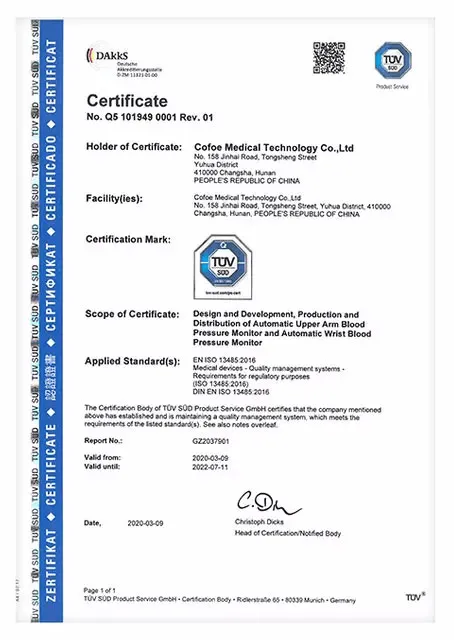
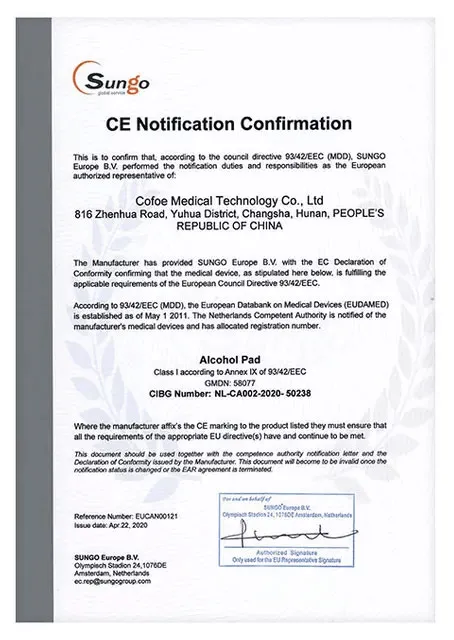
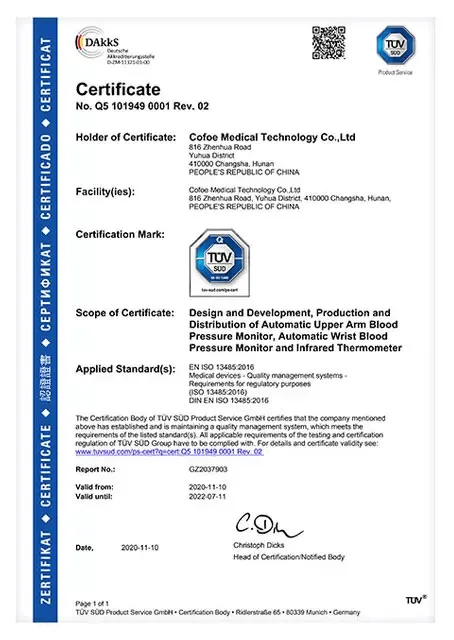
Certifications
FAQ
Hot Tags: cas 25658-42-8 | zirconium nitride, China cas 25658-42-8 | zirconium nitride manufacturers, suppliers, factory, Pigment Blue 27, Manganese II Phthalocyanine, Europium Nitride Powder, 1 8 Dihydroxyanthraquinone, 4 Methylthio phenyl methanamine, 1 4 bis 4 butylphenyl amino 5 8 dihydroxyanthraquinone


