


Gnee ChemicalsWith decades of experience in researching, manufacturing and marketing organic chemicals, Gnee chemicals Ltd. is now a global supplier of research, development and manufacturing chemicals.With decades of experience in manufacturing and marketing high-quality chemicals, Gnee Chemical Company, we supply Organic Chemicals, Biochemicals, Pharmaceutical Intermediates, and more.Gnee Chemical has a skilled workforce in research and development. Our team of more than 200 people is responsible for quality testing, production control and after-sales service as a one-stop service. We provide R&D and production solutions to our global customers.
Why Choose Us
One-stop service
Quality inspection, production control and after-sales service, providing one-stop service.
Professional team
Genie Chemical has a highly skilled R&D team of more than 200 people.
Rich experience
With decades of experience in researching, manufacturing and marketing organic chemicals, we have become a global supplier of chemical research, development and manufacturing.
QC
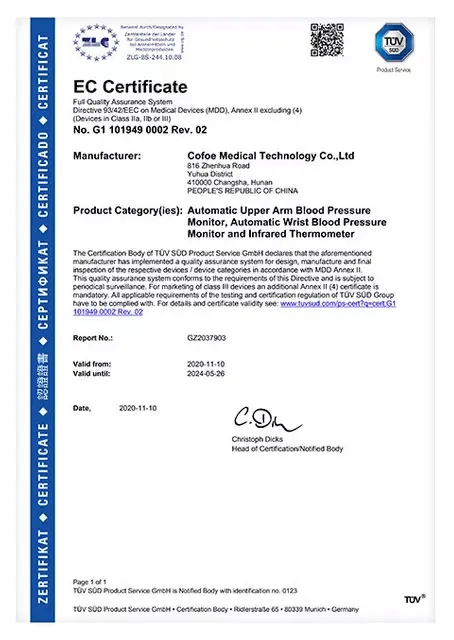
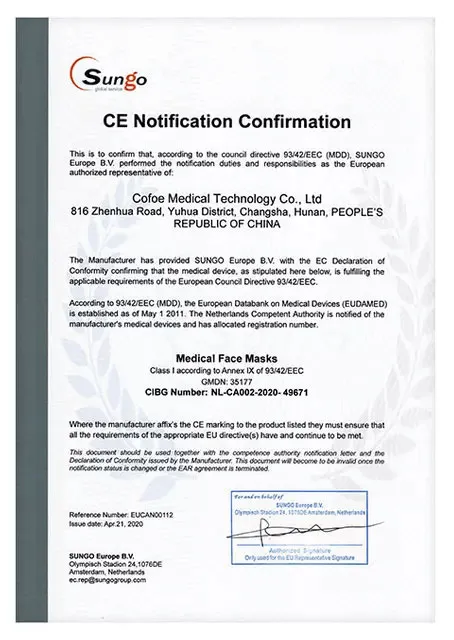
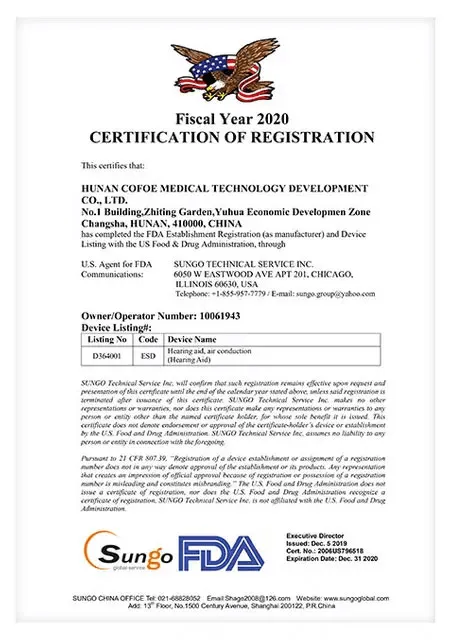
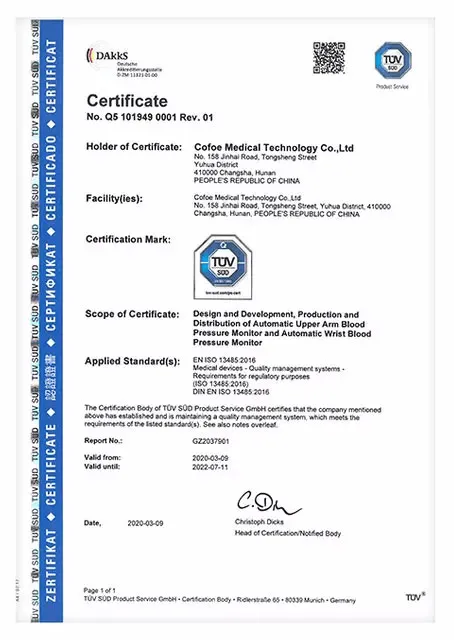
It has obtained ISO 9001 certification and has set up a dedicated testing center to implement strict quality control standards at all stages of the production process. Quality inspectors closely monitor the production process of each product to ensure the quality of the final chemical product.
Related Product

CAS 10031-51-3 | Erbium(III) Nitrate Pentahydrate
Erbium(III) nitrate pentahydrate is white crystalline solid, belongs to inorganic compounds. It is soluble in water and relatively stable in air. It is corrosive, avoid contact with skin and eyes.

CAS 25764-08-3 | Cerium Nitride
Cerium nitride is an inorganic compound. It is a pale yellow crystal with an ionic crystal structure. It is a semiconductor material with good thermal conductivity and corrosion resistance.

CAS 12125-25-6 | Lutetium Nitride
Lutetium Nitride is an inorganic compound. It is a white solid. The density is about 9.37 g/cm³.

CAS 25658-42-8 | Zirconium Nitride
Zirconium nitride (ZrN) is a compound with important applications. Zirconium nitride is a black powder with a metallic luster. It is a good electrical conductor with high conductivity. It is highly chemically stable at room temperature and is resistant to corrosion by acids, alkalis and oxidizers..

CAS 36678-21-4 | Manganese Nitride
Manganese Nitride (MnN) is a compound with unique properties and a wide range of applications. Its chemical formula is MnN, which is composed of manganese (Mn) and nitrogen (N).

CAS 12020-58-5 | Europium Nitride
Europium Nitride (99.9%-EU) is a compound with high purity. It is a solid, usually showing a dark purple or black crystal form. Europium nitride is stable in air, but can be oxidized to europium oxide under heated conditions.

Vanadium is a transition metal element with the chemical symbol V and atomic number 23. It is a silvery-white metal with good ductility and malleability. Vanadium is not easily oxidized by air and water at room temperature, but will gradually rust at high temperatures or in humid environments. It can form compounds with oxygen, silicon, nitrogen and other elements, and has a variety of oxidation states.

Nickel is a transition metal with the chemical symbol Ni and atomic number 28.Nickel has a silvery-white metallic luster and has good ductility and plasticity.

CAS 15280-58-7 | Ytterbium(III) Acetate Hydrate
Ytterbium(III) acetate hydrate is a chemical substance. It is usually white crystal or white powder. It is relatively stable at room temperature, but decomposes when exposed to heat and is soluble in water and some organic solvents.
Vanadium is a rare, hard, ductile gray-white element found combined in certain minerals and used mainly to produce certain alloys. Vanadium resists corrosion due to a protective film of oxide on the surface. Common oxidation states of vanadium include +2, +3, +4 and +5.Vanadium is a transition metal with a natural resistance to corrosion and stability against alkalis, acids and salt water. Vanadium is found in over 60 different minerals including vanadinite, carnotite, roscoelite and patronite.
Benefits of CAS 7440-62-2 | Vanadium
High energy density
Vanadium batteries have a high energy density, meaning they can store a lot of energy in a small space. This makes them ideal for use in electric vehicles and other applications where weight and space are limited.
Long life
Vanadium can last for up to 20 years with proper maintenance, making them a very attractive option for long-term energy storage.
Safety
Vanadium are much safer than lithium-ion batteries, which have been known to catch fire or explode. This makes them a good choice for applications where safety is a concern, such as in hospitals or industrial settings.
Application of CAS 7440-62-2 | Vanadium
The Uses of Vanadium in the Iron and Steel Industry
Vanadium is an important alloying element, mainly used in the steel industry. About 85% of metal vanadium is added in the form of iron vanadium and vanadium-nitrogen alloys in steel production to improve the strength, toughness, ductility, and heat resistance of steel.Vanadium-containing steel has excellent characteristics such as high strength, high toughness, and good wear resistance, so it is widely used in industries such as machinery, automobiles, shipbuilding, railways, aviation, bridges, electronic technology, defense industry, etc.Vanadium-containing high-strength alloy steels mainly include high-strength low-alloy (HSLA) steel, HSLA steel plate, HSLA steel, HSLA strip, advanced high-strength strip, construction threaded steel, high carbon steel wire, rails, tools and die steel.
The Uses of Vanadium in the Aerospace Industry
8-10% of metal vanadium is used in the form of titanium-aluminum-vanadium alloys for aircraft engines, aerospace cabin frameworks, missiles, steam turbine blades, rocket engine shells, etc. Vanadium can be used as a stabilizer and strengthening agent in titanium alloys, which makes titanium alloys have good ductility and plasticity.In addition, vanadium alloys are also used in magnetic materials, cemented carbide, superconducting materials, and nuclear reactor materials.
The Uses of Vanadium in the Chemical Industry
In the chemical industry, vanadium is mainly used as a catalyst for the manufacture of sulfuric acid and vulcanized rubber. It is also used to suppress the production of nitrous oxide in power plants.Other chemical vanadium products are mainly used for catalysts, ceramic colorants, developers, desiccants, etc.
The Uses of Vanadium in the Field of Vanadium Redox Battery
Vanadium redox battery is a new type of clean energy storage device, and its research began at the University of New South Wales in Australia in the 1980s. Compared with other chemical power sources, vanadium batteries have obvious advantages such as high power, large capacity, high efficiency, long life, fast response, instantaneous charging, high safety, and low cost.
4 Interesting Facts about Vanadium
The Presence of Vanadium in Nature
In nature, vanadium mainly forms symbiotic ore with other minerals. There are more than 70 kinds of vanadium-bearing minerals discovered at present, but the main vanadium-bearing minerals are the following three types: vanadium-titanium magnetite, potassium-vanadium-uranium ore, and petroleum-associated minerals. 98% of the proven reserves of vanadium resources are stored in vanadium-titanium magnetite, and the V2O5 content can reach 1.8%.
Global Vanadium Production
According to the data released by USGS in 2015, the total output of global vanadium mines in 2015 was 78,000 tons, a year-on-year decline of 1,000 tons. China ranks first, with an output of 41,000 tons, accounting for 53% of the global total, followed by South Africa, with 21,000 tons of output, ranking second in the world, accounting for 27% of the global total and Russia ranks third, with an output of 15,000 tons.


The Application of Vanadium in the Industry
Vanadium has many excellent physical properties and chemical properties, so the use of vanadium is very wide, known as the metal "vitamin". Most of the vanadium was initially used in steel. By refining the structure and grains of steel, the grain coarsening temperature was increased, thereby increasing the strength, toughness, and wear resistance of steel.
The Effect of Vanadium on Human Health
Vanadium is an essential trace element for the human body, which plays an important role in maintaining the growth and development of the body, promoting the growth of bones and teeth, promoting hematopoietic function, and increasing body immunity. An appropriate amount of vanadium can also lower blood sugar, blood pressure, blood lipids, increase myocardial contractility, and prevent heart disease.Later, people gradually discovered the excellent improvement effect of vanadium in titanium alloys, and applied it to the aerospace field, thus making a breakthrough in the aerospace industry.
1.Vanadium metal is silver-grey in colour. It is a hard, ductile and malleable transition metal.
2.The atomic mass of vanadium is 50.941
3.The melting point of vanadium is 1910°C
4.The boiling point of vanadium is 3407°C
5.The density of vanadium is 6100 in S.I. units at 20°C
6.There are two naturally occurring isotopes of vanadium; vanadium-50 and vanadium-51. Among them; vanadium-50 is radioactive and vanadium-51 is stable.
7.Vanadium is an electrical conductor but a thermal insulator.
8.Vanadium has good corrosion resistance, it is quite stable against the attacks of sulphuric acid, hydrochloric acid and alkalis.

The Flowsheet of Vanadium Extraction Process
Repulping and Leaching
The accumulated and drained slime tailings are excavated from Ponds No. 1 and 2 at the rate of 100 to 150 tons per day on a three shift basis using a front end loader. The slimes are repulped with solution from Pond No. 4 to about 50% solids in a ground level sump using three stainless steel Turbine-Type Propellers. The repulped slimes are pumped to three 8′ x 8′ Leach Agitators arranged in series. Sulphuric acid is added to a pH of 1.0 to dissolve the vanadium. Retention time in the agitators is approximately six hours. The leached slurry is pumped to an ingenious system of excavated ponds which serve as washing and decantation vessels in place of conventional thickeners. Pond No. 3 receives the leached slurry together with the current slime tailing from the RIP uranium circuit. The vanadium-bearing ("blue liquor") is piped from Pond No. 3 through a decantation tower to Pond No. 4. A sump-type pump and Propeller Agitator mounted on pontoons in Pond No. 3 are used to mix and transfer the solids from this pond to Pond No. 7 where the solids are combined with the raffinate from the subsequent vanadium SX circuit. The solution from Pond No. 7 is returned to Pond No. 3 using a trestle mounted pump which can be lowered or raised to compensate for the level of the pond. Ponds No. 3 and 7 serve as washing ponds whereas Pond No. 4 is a clarifying pond. The final tailing is allowed to accumulate in Pond No. 7.
EMF Adjustment
The clarified "blue liquor" from Pond No. 4, except for that portion recycled to the initial slime repulper, is pumped to the EMF adjustment circuit consisting of three 12′ diameter X 10′ deep Reducer Type Agitators in series. The agitators are constructed of wood stave tanks which are equipped with wood shafts and paddles to resist corrosion and impart mild agitation. Steam and powdered iron are added to the first agitator to produce an EMF of approximately 250 millivolts. This step reduces all ferric iron to the ferrous state and insures that all vanadium has been reduced from pentavalent to quadrivalent form. The steam is used to promote the reaction rate between the powdered iron and acid.Anhydrous ammonia is added to the discharge of the No. 3 EMF adjustment agitator to produce a pH of 1.65 prior to passing to a precoat pressure filter for removal of carbon, slimes, and unreacted iron.
Solvent Extraction
The filtrate is then treated through six stages of solvent extraction consisting of two 3-stage mixer-settler units in series to extract the vanadium. The organic extractant is a kerosene solution containing 6% di-2-ethyl-hexyl phosphoric acid and 3% tributyl phosphate. Anhydrous ammonia is added to the fourth stage mixer to adjust the pH to 1.7. The raffinate, after passing through an organic scavenger tank, is pumped to Pond No. 7 for dilution purposes.Two 31′-6″ diameter x 9′ deep Solvent Extraction units are used for recovery of the vanadium. Each of these units is divided into three main compartments which constitute the mixer-settler stages. Vertical Pumping Turbines are used in the mixers which permit the counter-current flow of aqueous and organic from stage-to-stage without the use of pumps or airlifts.
Our Factory

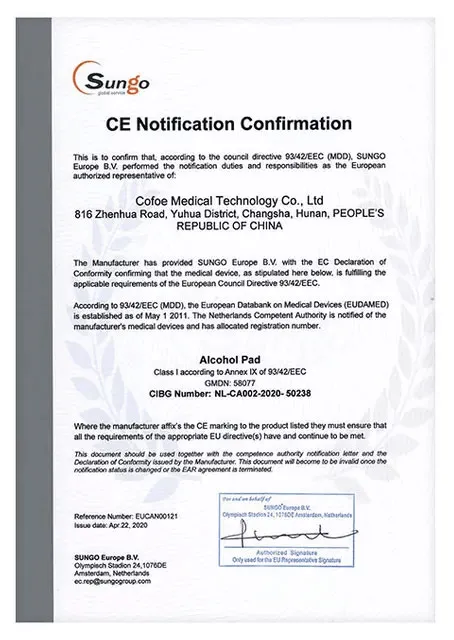
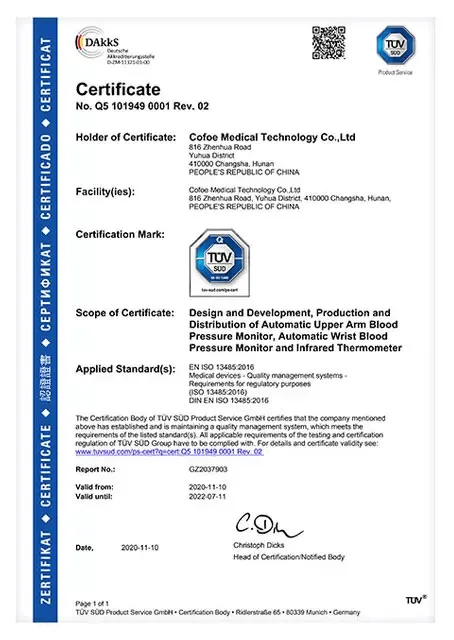
Certifications
FAQ
Hot Tags: cas 7440-62-2 | vanadium, China cas 7440-62-2 | vanadium manufacturers, suppliers, factory, High Quality Europium III Acetate Hydrate, Hafnium nitride, Erbium III nitrate hydrate 99 9 , Lutetium Nitride, Pure Tantalum Metal Powder, Lutetium nitride LuN


