


TIANJIN GNEE BIOTECH CO., LTD.With decades of experience in researching, manufacturing and marketing organic chemicals, Gnee chemicals Ltd. is now a global supplier of research, development and manufacturing chemicals.With decades of experience in manufacturing and marketing high-quality chemicals, TIANJIN GNEE BIOTECH CO., LTD.ical Company, we supply Organic Chemicals, Biochemicals, Pharmaceutical Intermediates, and more.TIANJIN GNEE BIOTECH CO., LTD.ical has a skilled workforce in research and development. Our team of more than 200 people is responsible for quality testing, production control and after-sales service as a one-stop service. We provide R&D and production solutions to our global customers.
Why Choose Us
One-stop service
Quality inspection, production control and after-sales service, providing one-stop service.
Professional team
Genie Chemical has a highly skilled R&D team of more than 200 people.
Rich experience
With decades of experience in researching, manufacturing and marketing organic chemicals, we have become a global supplier of chemical research, development and manufacturing.
QC
It has obtained ISO 9001 certification and has set up a dedicated testing center to implement strict quality control standards at all stages of the production process. Quality inspectors closely monitor the production process of each product to ensure the quality of the final chemical product.
Related Product

CAS 12020-58-5 | Europium Nitride
Europium Nitride (99.9%-EU) is a compound with high purity. It is a solid, usually showing a dark purple or black crystal form. Europium nitride is stable in air, but can be oxidized to europium oxide under heated conditions.

CAS 36678-21-4 | Manganese Nitride
Manganese Nitride (MnN) is a compound with unique properties and a wide range of applications. Its chemical formula is MnN, which is composed of manganese (Mn) and nitrogen (N).

CAS 25658-42-8 | Zirconium Nitride
Zirconium nitride (ZrN) is a compound with important applications. Zirconium nitride is a black powder with a metallic luster. It is a good electrical conductor with high conductivity. It is highly chemically stable at room temperature and is resistant to corrosion by acids, alkalis and oxidizers..

CAS 15280-58-7 | Ytterbium(III) Acetate Hydrate
Ytterbium(III) acetate hydrate is a chemical substance. It is usually white crystal or white powder. It is relatively stable at room temperature, but decomposes when exposed to heat and is soluble in water and some organic solvents.

Nickel is a transition metal with the chemical symbol Ni and atomic number 28.Nickel has a silvery-white metallic luster and has good ductility and plasticity.

Vanadium is a transition metal element with the chemical symbol V and atomic number 23. It is a silvery-white metal with good ductility and malleability. Vanadium is not easily oxidized by air and water at room temperature, but will gradually rust at high temperatures or in humid environments. It can form compounds with oxygen, silicon, nitrogen and other elements, and has a variety of oxidation states.

CAS 25817-87-2 | Hafnium Nitride
Hafnium nitride is an inorganic compound. It is colorless crystal, soluble in water and organic solvents.

CAS 62667-64-5 | Europium(III) Acetate Hydrate
Europium(III) acetate hydrate is a white or light yellow crystalline solid. Solubility: it is soluble in water and forms a lavender solution. Thermal stability: it decomposes at high temperature and releases toxic carbon dioxide gas.

Niobium is a transition metal element that has many widespread applications and syntheses. Niobium is widely used in alloy manufacturing.
Cerium nitride is a nitride with the chemical formula CeN. It is composed of cerium and nitrogen elements. It appears as a brown powder and is stable in dry air. It decomposes into cerium oxide and ammonia when exposed to water and reacts with acid (dilute sulfuric acid) to form sulfuric acid. Cerium and ammonium sulfate, when heated in a hydrogen flow, can produce cerium trihydride and ammonia gas.There are various production methods for cerium nitride, mainly including the ammonia gas reduction method, which refers to the method of using cerium (rare earth element) and ammonia as raw materials and conducting chemical reactions under high temperature conditions to generate cerium nitride; the high-temperature nitriding method refers to the method of using cerium (rare earth element) and ammonia as raw materials to produce cerium nitride. Cerium and nitrogen are used as raw materials, and a chemical reaction is carried out under high temperature conditions to generate cerium nitride; the sol-gel method refers to a method in which cerium salts and nitrogen sources are reacted through a sol-gel reaction to generate cerium nitride.
Benefits of CAS 25764-08-3 | Cerium Nitride
Low Coefficient of Friction
Cerium Nitride are typically used as a mold release agent or a coating for the mold in metal casting. This is because Cerium Nitride have a low coefficient of friction, which allows for easy release of the metal from the mold.
Great Thermal Performance
For one thing, Cerium Nitride can withstand temperatures up to 1800°C. For another, their thermal shock resistance gives them the capability to bear rapid heating and cooling. With such excellent thermal properties, Cerium Nitride components can withstand the high temperatures generated during the metal casting process without degrading or breaking down.


High Chemical Resistance
Another reason for using Cerium Nitride in metal casting is their good chemical inertness to corrosion and oxidation. They do not react with acid and alkali and remain inactive in most molten metals and semiconductors. Therefore, they are suitable for use in harsh chemical environments such as high corrosion or oxidation.
Non-wettability to Molten Metals
Most importantly, Cerium Nitride could resist chemical attacks from molten metal. This is particularly significant in the production of aluminum and other non-ferrous metals, which can react with traditional mold materials and cause defects in the final product. By using Cerium Nitride, manufacturers can avoid these issues and produce high-quality metal parts with minimal defects.
Application of CAS 25764-08-3 | Cerium Nitride
In electronics
In electronics, cerium nitride is used as a high-performance material for advanced semiconductor devices due to its excellent electrical conductivity and thermal stability. The compound's role in enhancing the efficiency and longevity of electronic components makes it a sought-after material for manufacturers in this sector. Additionally, cerium nitride is increasingly being utilized in the production of optical coatings and catalysts, which further drives its demand in the electronics industry. This rising adoption is fueled by the growing need for miniaturized and efficient electronic devices that can operate under harsh conditions while maintaining reliability and performance.
Automotive industry
In the automotive industry, cerium nitride is becoming a critical material due to its application in emission control systems and advanced catalytic converters. Its properties significantly improve the performance of these systems by enhancing the catalytic efficiency and durability. As stringent environmental regulations push for more effective emission control technologies, the demand for cerium nitride in automotive applications is expected to rise. Furthermore, the material's use in high-temperature applications within the automotive sector underscores its versatility and essential role in achieving cleaner and more efficient vehicular technologies. The growth in electric vehicles and hybrid systems also contributes to the expanding use of cerium nitride in this sector, driven by its ability to support high-performance and sustainable automotive technologies.
Process of CAS 25764-08-3 | Cerium Nitride
From Bastnaesite
First the bastnaesite ore is treated with hydrochloric acid to remove calcium carbonate impurities. Then the ore is roasted in air to oxidize the lanthanides. Cerium alone gets oxidised to dioxide while other lanthanides get oxidized to sesquioxides. Cerium dioxide is insoluble in water and is separated from other lanthanides using 0.5M hydrochloric acid.
From Monazite
First the monazite ore is subjected to electromagnetic separation multiple times in order to separate its magnetic properties. Then it is treated with hot-concentrated sulphuric acid to get sulfates of rare earth elements, these are water soluble. The acidic filter is then partially neutralised using sodium hydroxide at pH 3-4, this step also causes thorium to get removed from the solution. The solution is then treated with ammonium oxalate which forms oxalates of lanthanides, these are insoluble thus they get separated from the solution. Annealing is used to convert the oxalates into oxides. The oxides are then dissolved in nitric acid. Since cerium oxide is insoluble in nitric acid, it precipitates out.
Cerium Nitride Market Overview
Cerium Nitride Market Overview
Cerium nitride is a compound semiconductor gaining prominence in various industrial applications due to its unique properties. It exhibits high thermal stability, excellent chemical resistance, and is used notably in electronics, optics, and catalysis. The global market for cerium nitride is expanding as industries seek advanced materials for cutting-edge technologies.
Cerium Nitride Market Opportunity
The cerium nitride market presents significant opportunities for growth driven by increasing demand across key sectors such as electronics and automotive. The compound's superior performance in extreme conditions and its potential applications in thin-film coatings and semiconductors underscore its future market prospects. Investment in research and development to enhance its properties further enhances growth prospects.
Cerium Nitride Market Growth Drivers and Challenges
Factors driving the growth of the cerium nitride market include its growing application in LED lighting, photovoltaic cells, and specialty glasses. Moreover, its use in manufacturing wear-resistant tools and protective coatings adds to its demand. Challenges such as high production costs and limited awareness among end-users about its benefits may hinder market growth. However, advancements in production technologies and increasing adoption of cerium nitride in emerging economies offer promising opportunities.
Our Factory

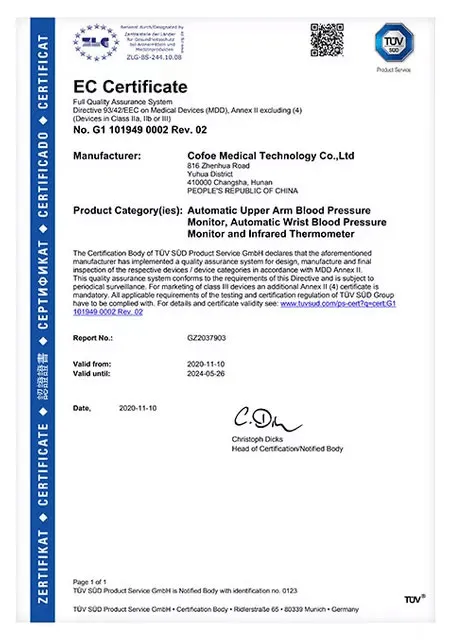
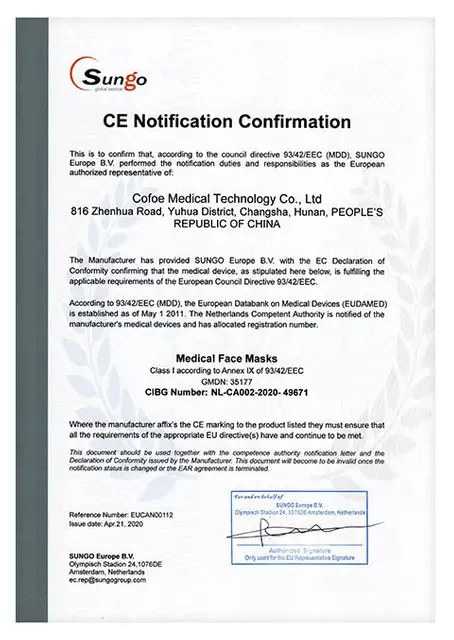
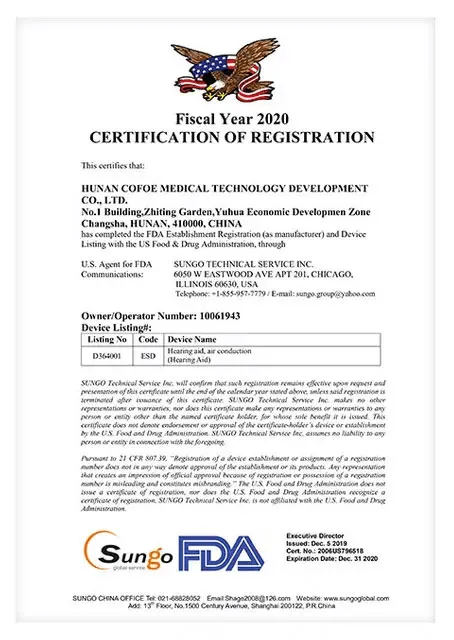
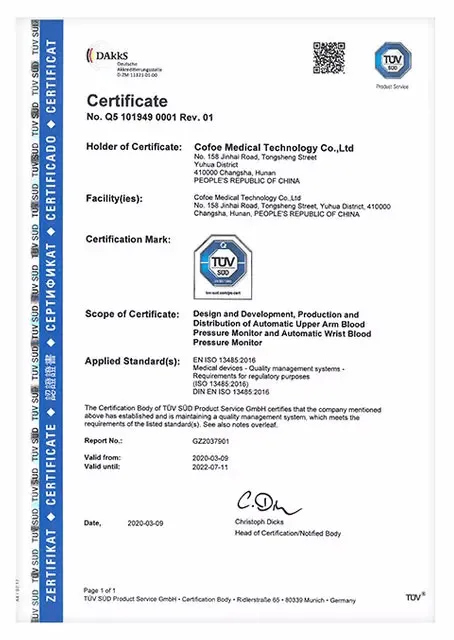
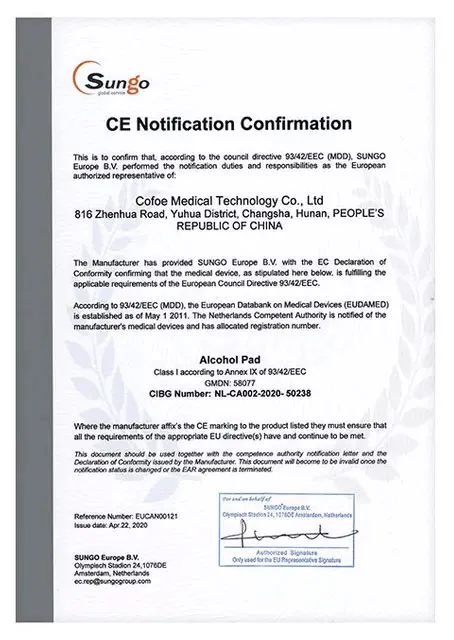
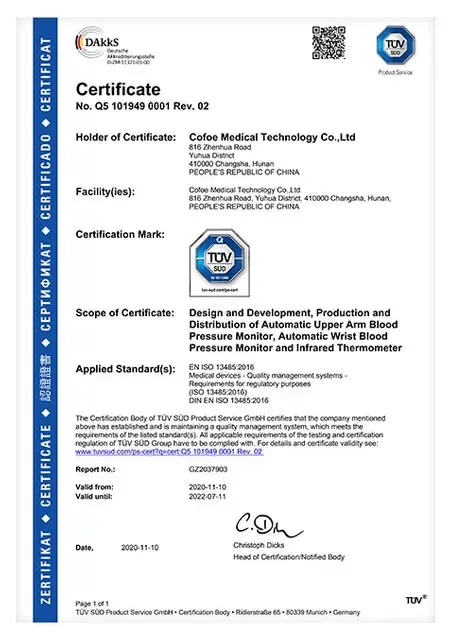
Certifications
FAQ
Hot Tags: cas 25764-08-3 | cerium nitride, China cas 25764-08-3 | cerium nitride manufacturers, suppliers, factory, Tantalum powder 98 , Erbium Nitrate, Pure Tantalum Metal Powder, High quality raney nickel, Europium III Acetate 99 99 , High Quality Europium III Acetate Hydrate

