


Gnee ChemicalsWith decades of experience in researching, manufacturing and marketing organic chemicals, Gnee chemicals Ltd. is now a global supplier of research, development and manufacturing chemicals.With decades of experience in manufacturing and marketing high-quality chemicals, Gnee Chemical Company, we supply Organic Chemicals, Biochemicals, Pharmaceutical Intermediates, and more.Gnee Chemical has a skilled workforce in research and development. Our team of more than 200 people is responsible for quality testing, production control and after-sales service as a one-stop service. We provide R&D and production solutions to our global customers.
Why Choose Us
One-stop service
Quality inspection, production control and after-sales service, providing one-stop service.
Professional team
Genie Chemical has a highly skilled R&D team of more than 200 people.
Rich experience
With decades of experience in researching, manufacturing and marketing organic chemicals, we have become a global supplier of chemical research, development and manufacturing.
QC
It has obtained ISO 9001 certification and has set up a dedicated testing center to implement strict quality control standards at all stages of the production process. Quality inspectors closely monitor the production process of each product to ensure the quality of the final chemical product.
Related Product

CAS 25764-08-3 | Cerium Nitride
Cerium nitride is an inorganic compound. It is a pale yellow crystal with an ionic crystal structure. It is a semiconductor material with good thermal conductivity and corrosion resistance.

CAS 12125-25-6 | Lutetium Nitride
Lutetium Nitride is an inorganic compound. It is a white solid. The density is about 9.37 g/cm³.

CAS 25658-42-8 | Zirconium Nitride
Zirconium nitride (ZrN) is a compound with important applications. Zirconium nitride is a black powder with a metallic luster. It is a good electrical conductor with high conductivity. It is highly chemically stable at room temperature and is resistant to corrosion by acids, alkalis and oxidizers..

CAS 36678-21-4 | Manganese Nitride
Manganese Nitride (MnN) is a compound with unique properties and a wide range of applications. Its chemical formula is MnN, which is composed of manganese (Mn) and nitrogen (N).

CAS 12020-58-5 | Europium Nitride
Europium Nitride (99.9%-EU) is a compound with high purity. It is a solid, usually showing a dark purple or black crystal form. Europium nitride is stable in air, but can be oxidized to europium oxide under heated conditions.

Vanadium is a transition metal element with the chemical symbol V and atomic number 23. It is a silvery-white metal with good ductility and malleability. Vanadium is not easily oxidized by air and water at room temperature, but will gradually rust at high temperatures or in humid environments. It can form compounds with oxygen, silicon, nitrogen and other elements, and has a variety of oxidation states.

CAS 10031-51-3 | Erbium(III) Nitrate Pentahydrate
Erbium(III) nitrate pentahydrate is white crystalline solid, belongs to inorganic compounds. It is soluble in water and relatively stable in air. It is corrosive, avoid contact with skin and eyes.

Nickel is a transition metal with the chemical symbol Ni and atomic number 28.Nickel has a silvery-white metallic luster and has good ductility and plasticity.

CAS 15280-58-7 | Ytterbium(III) Acetate Hydrate
Ytterbium(III) acetate hydrate is a chemical substance. It is usually white crystal or white powder. It is relatively stable at room temperature, but decomposes when exposed to heat and is soluble in water and some organic solvents.
CAS 7440-02-0 | Nickel, with the symbol Ni and the atomic number 28, is a chemical element. Nickel is a silvery-white, brilliant metallic element that occurs naturally. It is the sixth most prevalent element on the planet and is abundant in the crust and core. Nickel, like iron, is a common element in meteorites and is also found in trace amounts in plants, animals, and oceans.Despite being the fifth most prevalent element on (and in) our planet, pure nickel reacts with oxygen and is thus rarely found on the surface. Nickel is particularly stable when combined with iron, which explains its presence in iron-bearing ores and its practical use in stainless steel production.
Benefits of CAS 7440-02-0 | Nickel
Corrosion resistance
Nickel are highly resistant to corrosion, making them ideal for applications in corrosive environments such as chemical processing and marine industries.
High Strength
With their excellent strength, especially at elevated temperatures, nickel can ensure structural integrity in demanding conditions.
Heat Resistance
Nickel can withstand high temperatures without losing their mechanical properties, making them suitable for use in aerospace, power generation and high-temperature processing industries.
Heat Resistance
Suitable for use in aerospace, power generation and high-temperature processing industries, nickel can withstand high temperatures without losing their mechanical properties.
Versatility
Nickel can be tailored to specific requirements by adjusting their composition, making them versatile for various applications.
Low Thermal Expansion
With their low thermal expansion coefficients, nickel alloys can maintain their shape and dimensions at different temperatures- reducing the risk of warping or distortion.
High Electrical Conductivity
Some nickel alloys have exceptional electrical conductivity, making them suitable for electrical and electronic applications.
Wear Resistance
Nickel are highly wear-resistant, making them suitable for use in mining, manufacturing and construction equipment.
Biocompatibility
Certain nickel are biocompatible, making them suitable for medical implants and surgical instruments.
Types of CAS 7440-02-0 | Nickel
Satin
This nickel plating is usually treated with a lacquer to dull the shininess of the surface and create a matte effect.
Brushed
Instead of lacquer, the shine is taken off brushed nickel with, of course, brushing. A tool such as a wire brush puts small abrasions in the metal all going in the same direction. This creates a look softer than polished nickel, but not as matte as satin.
Polished
This nickel does not receive the treatments described above. Therefore, it still has a shiny mirror-like surface.
Application of CAS 7440-02-0 | Nickel
Aerospace
Nickel are used in aircraft components, engine parts and aerospace equipment due to their high strength, corrosion resistance and heat resistance.
Chemical Processing
Nickel are employed in chemical reactors, pipelines and equipment for their resistance to corrosive chemicals and acids. In chemical manufacturing, nickel are used for reactor vessels, heat exchangers and pipes.
Petrochemical
In the petrochemical industry, nickel are used for valves, heat exchangers, and piping systems to withstand aggressive environments.
Marine
Marine applications include shipbuilding, offshore platforms and seawater handling equipment due to nickel resistance to seawater corrosion.
Power Generation
In power plants, nickel are used in turbines, heat exchangers and boiler components that operate at high temperatures.
Oil and Gas
Nickel find application in drilling tools, wellhead components and downhole equipment due to their resistance to sour gas and high-pressure environments. In mining applications, nickel alloys are used in tools, drilling equipment and conveyor systems due to their wear resistance.
How to Choose CAS 7440-02-0 | Nickel
Corrosion Resistance
Evaluate the environment in which the nickel product will be used. Consider factors such as exposure to acids, alkalis, saltwater, or high-temperature oxidizing or reducing atmospheres. Select a nickel with appropriate corrosion resistance properties that can withstand the specific corrosive conditions it will encounter.
Mechanical Properties
Assess the mechanical requirements of the application. Consider factors such as tensile strength, yield strength, ductility, and impact resistance. Different nickel offer varying mechanical properties, so choose a material that meets the strength and performance requirements of the intended application.
Temperature Range
Determine the operating temperature range of the application. Nickel exhibit excellent high-temperature strength and resistance to thermal expansion. Consider the specific temperature requirements and select a nickel that can maintain its mechanical properties and corrosion resistance within that temperature range.
Fabrication and Weldability
Consider the ease of fabrication and weldability of the nickel. Different have distinct characteristics when it comes to machinability, formability, and weldability. Ensure the selected material can be readily formed, machined, and welded to meet the manufacturing requirements of the application.
Industry Standards and Specifications
Refer to industry standards and specifications when choosing nickel products. Standards such as ASTM, ASME, and ISO provide guidelines for material selection, ensuring quality and compatibility. Consult these standards to identify suitable nickel
Cost Considerations
Evaluate the cost-effectiveness of the nickel product. Consider factors such as material availability, manufacturing complexity, and overall project budget. While high-performance nickel may have higher initial costs, they can offer significant long-term savings by extending the service life and reducing maintenance requirements.
Extraction and Processing of Nickel
Nickel Extraction From Sulfide Ores
Once sulfide ores are mined, they undergo crushing and grinding to separate nickel from the waste materials through a method known as selective flotation. In this process, the ore is combined with reagents and then agitated with mechanical and pneumatic equipment that generates air bubbles. Sulfide particles, being lightweight, attach to the air bubbles and rise to the surface of the mixture.
Nickel Extraction From Laterite Ores
Nickel extracted from laterite ores is free of sulfur but contains significant amounts of moisture, both as water and hydroxides. Unlike sulfide ores, lateritic ores cannot achieve the same reaction temperatures, so additional energy sources are required for drying and smelting. The drying process, which removes moisture from the ore, is performed in a large kiln furnace.

How to Clean Nickel
qualified
Add a few drops of dish soap to a dam rag and wipe. Dish soap is a gentle cleaner and won't damage the nickel.
Glass Cleaner
You can clean and polish nickel with any kind of glass cleaner. You know the drill! Spray it on and wipe it back off with a clean cloth or paper towel.
Water and Vinegar
Make a solution of equal parts water and vinegar. Spray this on the nickel and buff the item with a clean cloth. Do not soak nickel in vinegar or allow a vinegar solution to sit on the nickel.If the vinegar solution alone doesn't work, you can add a little power to your solution with cornstarch. Add a tablespoon to the vinegar-water mix and clean the nickel again.
Quick Polishing
You do not have to apply chemicals or do anything drastic to polish nickel. Just start with a clean surface by using one of the cleaning methods above. Then use a clean cloth and buff the nickel in a circular motion. That's all!
Our Factory

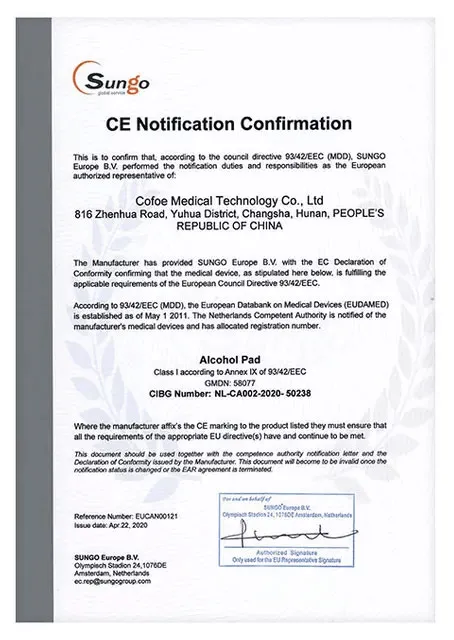
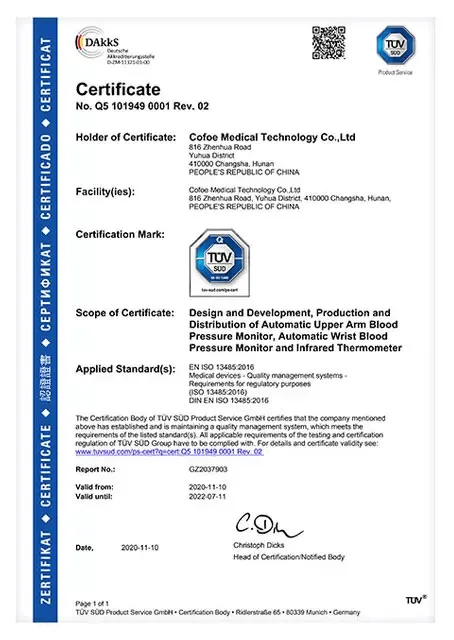
Certifications
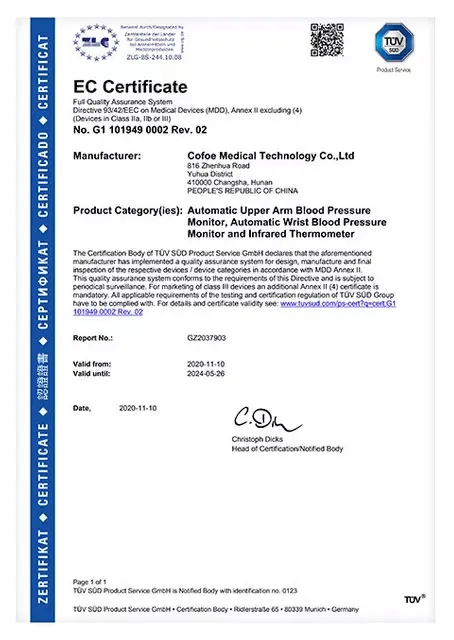
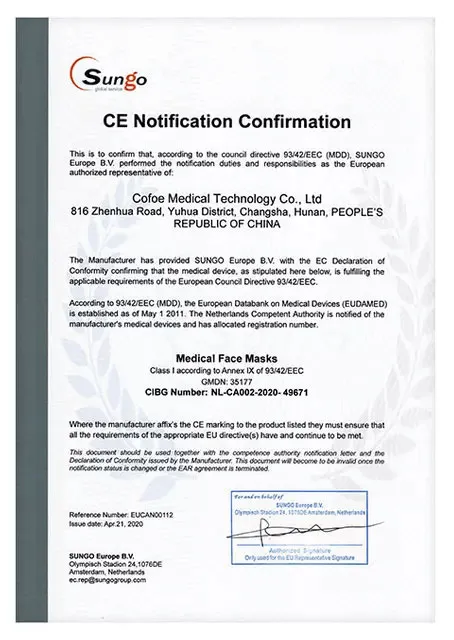
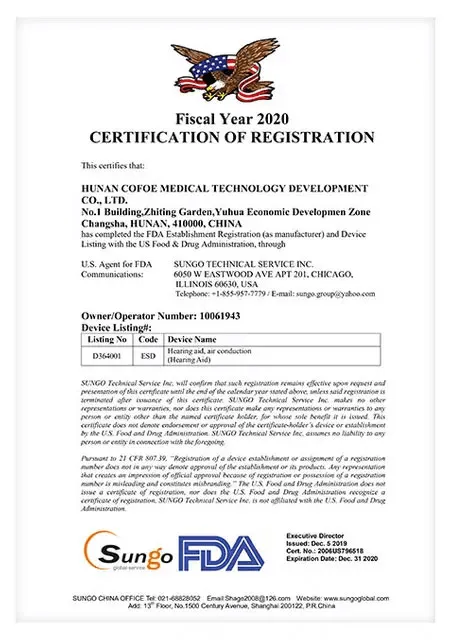
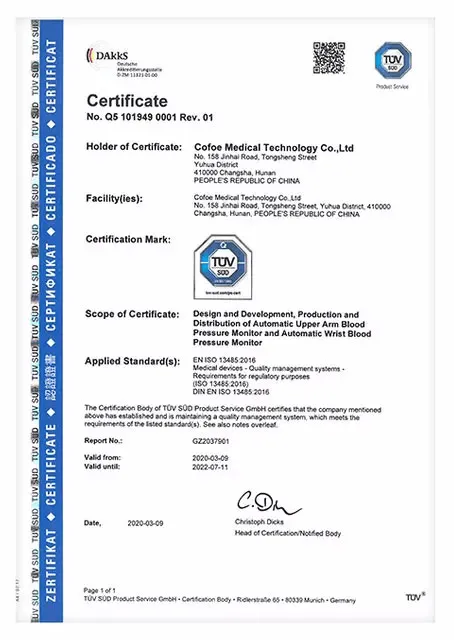
FAQ
Hot Tags: cas 7440-02-0 | nickel, China cas 7440-02-0 | nickel manufacturers, suppliers, factory, 1 1 3 1 Terphenyl 4 amine 97 , Ethyl 1 bromocyclobutanecarboxylate, Europium iii acetate hydrate, Diisobutyl Adipate, 2 hydroxypropyl N 2 hydroxyethyl , 1 BROMO CYCLOBUTANECARBOXYLIC ACID ETHYL ESTER


