




Ethyl Acetate (EA, CAS No. 141-78-6) is a widely used industrial solvent known for its balanced solvency, fast evaporation rate, and broad application compatibility. For industrial buyers, understanding the physical and chemical properties of ethyl acetate is essential for selecting the right solvent, ensuring process stability, and evaluating suppliers.
This overview summarizes the most relevant technical data and practical implications for bulk procurement and industrial use.

Chemical Properties of Ethyl Acetate (EA)
Ethyl acetate (EA) readily undergoes hydrolysis under acidic or alkaline conditions, producing acetic acid and ethanol. Furthermore, it can undergo transesterification reactions with various compounds to form new ester compounds.
| Item | Description |
|---|---|
| Chemical Name | Ethyl Acetate |
| CAS Number | 141-78-6 |
| Molecular Formula | C₄H₈O₂ |
| Molecular Weight | 88.11 g/mol |
| Chemical Structure | Ester (acetic acid + ethanol) |
Physical Properties of Ethyl Acetate (EA)
Ethyl acetate (EA) has a low density and a moderate boiling point, making it easy to handle and store at room temperature. At the same time, its low melting point allows it to remain liquid even at low temperatures, facilitating its use.
| Property | Typical Value |
|---|---|
| Appearance | Colorless, transparent liquid |
| Odor | Mild fruity odor |
| Melting Point | −83.6 °C |
| Boiling Point | 77.1 °C |
| Density (20 °C) | ~0.90 g/cm³ |
| Vapor Pressure (20 °C) | Moderate |
| Solubility in Water | Slightly soluble |
| Polarity | Moderately polar |
Ethyl Acetate (EA) Industrial Applications
- Industrial Production: Ethyl Acetate (EA) serves as a co-solvent for coatings, inks, adhesives, etc. When blended with other solvents, it enhances coating flow properties and prevents skin formation.
- Chemical Experiments: In chemical laboratories, Ethyl Acetate (EA) is commonly used to replace toxic solvents such as chloroform and carbon tetrachloride. It serves as a neutral solvent widely applied in extraction and precipitation experiments, exhibiting excellent solubility for numerous organic compounds.
- Other Fields: Ethyl Acetate Solvent is also utilized in the preparation of food flavorings, pharmaceutical intermediates, and other applications.
Ethyl Acetate (EA) Grades & Specifications
Commercially available ethyl acetate is typically supplied in the following grades:
- Industrial grade ethyl acetate (≥99.5%)
- High-purity ethyl acetate (≥99.9%)
- Customized specifications available upon request
Quality documents available:
- Certificate of Analysis (COA)
- Material Safety Data Sheet (MSDS)
- Technical Data Sheet (TDS)
Packaging & Bulk Supply Options
For international and industrial buyers, ethyl acetate (EA) is commonly supplied in:
- Steel drums (180–200 kg)
- IBC tanks
- ISO tanks for bulk export
Flexible packaging options help buyers optimize logistics and cost efficiency.
Why Choose Gneebio as Your Ethyl Acetate (EA) Supplier?
For companies looking to source Ethyl Acetate (EA), Gneebio offers a reliable supply backed by over a decade of experience in chemical manufacturing and export. With strict quality control, competitive pricing, and flexible packaging options.
Our strict quality control and comprehensive certifications - including ISO9001, ISO14001, GMP, USP, and EP - ensure that every batch meets international standards.
Related Chemical Products from Gneebio
Bulk Industrial buyers often purchase Ethyl Acetate (CAS:141-78-6) together with other solvents and intermediates.
Here are the most popular products:
| Product Name | CAS |
|---|---|
| Cyclohexanone (CYC) | 108-94-1 |
| Methyl Methacrylate (MMA) | 80-62-6 |
| 2-Methoxyethanol | 109-86-4 |
| Propionic Acid | 79-09-4 |
| Ethylene Glycol (Meg) | 107-21-1 |
| N, N-Dimethylacetamide (DMAC) | 127-19-5 |
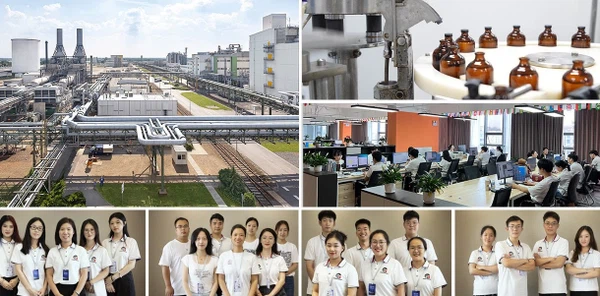
Purchase Chemical Raw Materials Click here: TIANJIN GNEE BIOTECH CO., LTD.