




Ethyl Acetate (EA, CAS No. 141-78-6) is a commonly used industrial solvent across coatings, inks, adhesives, pharmaceuticals, and chemical manufacturing. While it is valued for its strong solvency and fast evaporation, understanding the chemical hazards of ethyl acetate is essential for safe handling, storage, and large-scale procurement.
This guide outlines the key hazards, regulatory considerations, and practical safety insights relevant to industrial buyers and bulk users.

Ethyl Acetate (EA) Toxicity to Humans
Ethyl Acetate (EA) is toxic. Long-term exposure or inhalation of its vapors can harm the human body.
- It can irritate the eyes, nose, and throat, causing symptoms such as tearing and coughing.
- Secondly, when inhaled, ethyl acetate vapor combines with water in the body to form acetic acid and ethanol, which have an inhibitory effect on the central nervous system, leading to dizziness, headache, nausea, and even coma.
- Long-term exposure to ethyl acetate may also damage the skin, causing skin inflammation.
Ethyl Acetate (EA) Environmental Impacts
Improper handling during the production and use of ethyl acetate (EA) can pollute the environment. It is volatile and, once in the atmosphere, reacts with other components in the air to generate photochemical smog, damaging the atmospheric environment. Meanwhile, ethyl acetate may also enter water bodies through rainwater, causing toxic effects on aquatic organisms and disrupting the aquatic ecological balance.
Chemical Stability and Reactivity
Under normal storage and handling conditions, ethyl acetate is chemically stable. However:
- It should be kept away from strong oxidizing agents
- Prolonged exposure to heat may increase pressure in sealed containers
- Proper storage in cool, well-ventilated areas helps maintain product stability and safety.
Transport and Storage Hazards
Due to its flammability, ethyl acetate is classified as a dangerous good for transportation.
Key considerations include:
- Approved UN-rated packaging
- Clear flammable liquid labeling
- Compliance with international transport regulations
Bulk buyers should confirm that suppliers provide compliant packaging and export documentation.
Regulatory Classification Overview
Ethyl acetate is regulated under multiple global frameworks, typically including:
- Flammable liquid classification
- VOC-related environmental regulations
- Workplace exposure standards
Suppliers should provide a complete Safety Data Sheet (SDS/MSDS) and Certificate of Analysis (COA) for each shipment.
Risk Management for Industrial Buyers
To minimize hazards, industrial users typically implement:
- Closed handling systems
- Vapor recovery or ventilation
- Static electricity control
- Routine safety training
Choosing a supplier that offers consistent quality and full technical documentation is a key part of risk management.
Ethyl Acetate (EA) Grades & Specifications
Commercially available ethyl acetate is typically supplied in the following grades:
- Industrial grade ethyl acetate (≥99.5%)
- High-purity ethyl acetate (≥99.9%)
- Customized specifications available upon request
Quality documents available:
- Certificate of Analysis (COA)
- Material Safety Data Sheet (MSDS)
- Technical Data Sheet (TDS)
Packaging & Bulk Supply Options
For international and industrial buyers, ethyl acetate (EA) is commonly supplied in:
- Steel drums (180–200 kg)
- IBC tanks
- ISO tanks for bulk export
Flexible packaging options help buyers optimize logistics and cost efficiency.
Why Choose Gneebio as Your Ethyl Acetate (EA) Supplier?
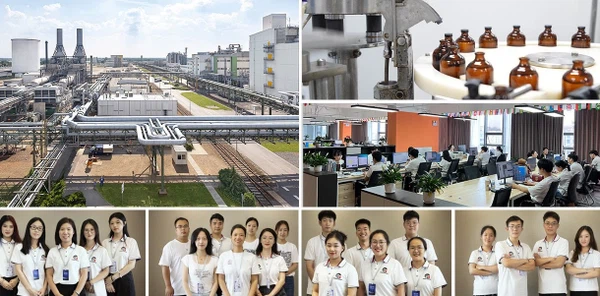
For companies looking to source Ethyl Acetate (EA), Gneebio offers a reliable supply backed by over a decade of experience in chemical manufacturing and export. With strict quality control, competitive pricing, and flexible packaging options.
Our strict quality control and comprehensive certifications - including ISO9001, ISO14001, GMP, USP, and EP - ensure that every batch meets international standards.
Related Chemical Products from Gneebio
Bulk Industrial buyers often purchase Ethyl Acetate (CAS:141-78-6) together with other solvents and intermediates.
Here are the most popular products:
| Product Name | CAS |
|---|---|
| Cyclohexanone (CYC) | 108-94-1 |
| Methyl Methacrylate (MMA) | 80-62-6 |
| 2-Methoxyethanol | 109-86-4 |
| Propionic Acid | 79-09-4 |
| Ethylene Glycol (Meg) | 107-21-1 |
| N, N-Dimethylacetamide (DMAC) | 127-19-5 |
Purchase Chemical Raw Materials Click here: TIANJIN GNEE BIOTECH CO., LTD.