




Toluene and xylene are both common organic solvents widely used in industries such as chemicals, coatings, and printing. They belong to the class of aromatic hydrocarbons with similar structures, yet exhibit differences in physical properties, chemical characteristics, and specific applications.
Physical & Chemical Properties Comparison
| Property | Toluene | Xylene (Mixed Isomers) |
|---|---|---|
| CAS No. | 108-88-3 | 1330-20-7 |
| Chemical Formula | C₇H₈ | C₈H₁₀ |
| Isomers | None (single structure) | o-Xylene, m-Xylene, p-Xylene |
| Molecular Weight | 92.14 g/mol | 106.17 g/mol |
| Appearance | Colorless liquid | Colorless liquid |
| Odor | Sweet, pungent | Sweet, aromatic |
| Boiling Point | ~110.6°C | 137–144°C |
| Melting Point | −95°C | −34°C (varies by isomer) |
| Density (20°C) | 0.866 g/cm³ | 0.86–0.88 g/cm³ |
| Flash Point | 4°C | 27–32°C |
| Solubility in Water | Insoluble | Insoluble |
| Evaporation Rate | Faster | Slower |
| Flammability | Highly flammable | Flammable |
| Reactivity | Undergoes electrophilic substitution (nitration, sulfonation, halogenation) | Same reactions, slightly slower due to higher steric hindrance |
| Main Industrial Uses | Paint thinner, solvent, adhesives, chemical intermediate | Coatings, rubber, inks, epoxy thinner, cleaning solvent |
Applications Comparison
Toluene is commonly used as a solvent in paints, coatings, adhesives, and inks. Its strong dissolving power and moderate evaporation rate also make it widely applicable in rubber and resin industries. Toluene serves as a key raw material for synthesizing chemicals like TNT explosives, benzoic acid, and fragrances.
Xylene is another excellent solvent frequently used in coatings, dyes, and pesticides. Its slower evaporation rate compared to toluene reduces orange peel effects in spray coating processes and improves coating leveling. In chemical intermediates, para-xylene is a key raw material for producing purified terephthalic acid (PTA), which is further used to manufacture polyester fibers and plastics; ortho-xylene can be used to produce phthalic anhydride, a raw material for plasticizers.
Compared to certain chlorinated solvents or ketone solvents, toluene and xylene offer advantages in terms of good solubility and lower cost. However, in applications with strict requirements for toxicity or odor, they may be replaced by other solvents.
Why Choose Gneebio for Toluene and xylene?
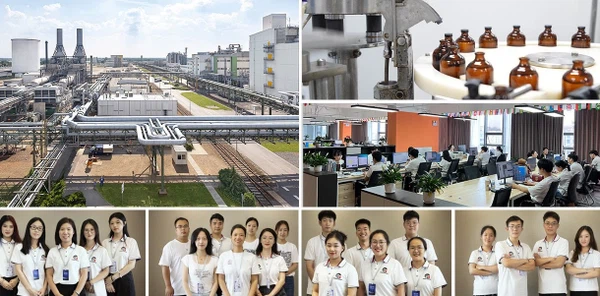
For companies looking to source Toluene and xylene, Gneebio offers a reliable supply backed by over a decade of experience in chemical manufacturing and export. With strict quality control, competitive pricing, and flexible packaging options.
Our strict quality control and comprehensive certifications - including ISO9001, ISO14001, GMP, USP, and EP - ensure that every batch meets international standards.
Related Chemical Products from Gneebio
Bulk Industrial buyers often purchase Toluene and xylene together with other solvents and intermediates.
Here are the most popular products:
| Product Name | CAS |
|---|---|
| Cyclohexanone (CYC) | 108-94-1 |
| Methyl Methacrylate (MMA) | 80-62-6 |
| 2-Methoxyethanol | 109-86-4 |
| Propionic Acid | 79-09-4 |
| Ethylene Glycol (Meg) | 107-21-1 |
| N, N-Dimethylacetamide (DMAC) | 127-19-5 |
Purchase Chemical Raw Materials Click here: TIANJIN GNEE BIOTECH CO., LTD.