




Ethyl Acetate (EA, CAS No. 141-78-6) is a colorless, volatile liquid widely used as an industrial solvent in coatings, inks, adhesives, pharmaceuticals, and chemical manufacturing.

Chemical Structure of Ethyl Acetate
Ethyl acetate is an ester formed from ethanol and acetic acid.
- Molecular formula: C₄H₈O₂
- Structural formula: CH₃–COO–CH₂–CH₃
- Functional group: Ester (–COO–)
The molecule consists of an acetate group (CH₃–COO–) linked to an ethyl group (–CH₂–CH₃). This simple ester structure is the foundation of ethyl acetate's solvency, volatility, and compatibility with many industrial materials.
Physical Properties of Ethyl Acetate Liquid (CAS: 141-78-6)
- Appearance: Ethyl Acetate is a colorless, transparent liquid with a strong odor.
- Melting and Boiling Points: Its melting point is -83.6℃ and its boiling point is 77.1℃, classifying it as a low-boiling-point liquid.
- Density: The density is 0.894 g/cm³.
- Solubility: Ethyl Acetate is not readily soluble in water, but it can dissolve many organic substances, such as fats, lipids, resins, paints, and solvents.
Industrial Applications of Ethyl Acetate (EA)
Ethyl acetate (EA) is widely used across multiple industries due to its efficiency, cost-effectiveness, and favorable safety profile.
Common Industrial Uses
Coatings & Paints
Used as a fast-evaporating solvent to improve leveling and drying speed.
Printing Inks
Provides good resin solubility and stable printing performance.
Adhesives
Enhances viscosity control and bonding efficiency.
Pharmaceutical Industry
Used as an extraction and purification solvent.
Chemical Synthesis
Acts as a reaction solvent or intermediate processing solvent.
For industrial buyers, consistent quality and stable physical properties are critical for these applications.
Safety Precautions for Ethyl Acetate Liquid (CAS: 141-78-6)
When handling Ethyl Acetate Liquid, the following safety precautions should be taken:
- Avoid direct contact with eyes and skin: Ethyl Acetate is irritating. If it comes into contact with eyes or skin, rinse immediately with water and seek medical attention.
- Keep away from fire and high temperatures: EA is flammable and explosive. Therefore, keep it away from fire and high-temperature environments during handling to avoid danger.
- Store in a cool, well-ventilated place: To prevent ethyl acetate from evaporating and deteriorating, store it in a cool, well-ventilated place, away from direct sunlight and high temperatures.
Ethyl Acetate (EA) Grades & Specifications
Commercially available ethyl acetate is typically supplied in the following grades:
- Industrial grade ethyl acetate (≥99.5%)
- High-purity ethyl acetate (≥99.9%)
- Customized specifications available upon request
Quality documents available:
- Certificate of Analysis (COA)
- Material Safety Data Sheet (MSDS)
- Technical Data Sheet (TDS)
Packaging & Bulk Supply Options
For international and industrial buyers, ethyl acetate (EA) is commonly supplied in:
- Steel drums (180–200 kg)
- IBC tanks
- ISO tanks for bulk export
Flexible packaging options help buyers optimize logistics and cost efficiency.
Why Choose Gneebio as Your Ethyl Acetate (EA) Supplier?
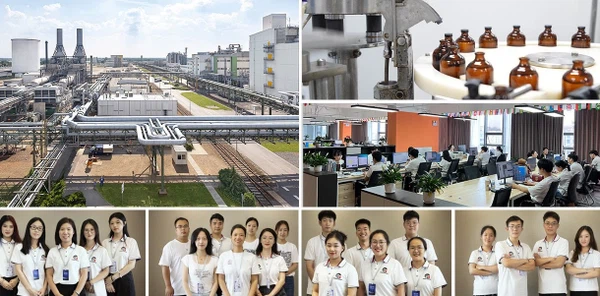
For companies looking to source Ethyl Acetate (EA), Gneebio offers a reliable supply backed by over a decade of experience in chemical manufacturing and export. With strict quality control, competitive pricing, and flexible packaging options.
Our strict quality control and comprehensive certifications - including ISO9001, ISO14001, GMP, USP, and EP - ensure that every batch meets international standards.
Related Chemical Products from Gneebio
Bulk Industrial buyers often purchase Ethyl Acetate (CAS:141-78-6) together with other solvents and intermediates.
Here are the most popular products:
| Product Name | CAS |
|---|---|
| Cyclohexanone (CYC) | 108-94-1 |
| Methyl Methacrylate (MMA) | 80-62-6 |
| 2-Methoxyethanol | 109-86-4 |
| Propionic Acid | 79-09-4 |
| Ethylene Glycol (Meg) | 107-21-1 |
| N, N-Dimethylacetamide (DMAC) | 127-19-5 |
Purchase Chemical Raw Materials Click here: TIANJIN GNEE BIOTECH CO., LTD.