




p-Xylene (PX) is an important organic chemical raw material, primarily used in the production of terephthalic acid (PTA), which is then used to manufacture end products such as polyester fibers and plastic bottles.

Paraxylene (CAS: 106-42-3) for polyester
Paraxylene (CAS: 106-42-3) is a key intermediate connecting the petrochemical, textile, and packaging industries. Globally, over 90% of PX is used to produce PTA. Specific applications are as follows:
Main uses:
PTA production:PX reacts with oxygen in a reactor to produce PTA. PTA is then polymerized with ethylene glycol (EG) to produce polyethylene terephthalate (PET)-PET is one of the world's highest-produced synthetic resins, widely used in:
Textile industry:It is used to produce polyester fibers (such as polyester), accounting for over 70% of global synthetic fiber production, used in clothing, home textiles, and industrial fabrics (such as canvas and filter cloth).
Packaging: Paraxylylene (PX) can be used as a raw material for making PET plastic bottles (such as beverage bottles and cooking oil bottles) and food packaging films. Due to its high transparency, impact resistance, and good recyclability, it is a replacement for traditional glass and PVC packaging.
Engineering Plastics: Through modification, high-strength PET engineering plastics such as paraxylylene (CAS: 106-42-3) are produced and used for automotive parts (such as bumpers and dashboards) and electronic appliance housings.
Other uses: Small amounts of paraxylylene (PX) are used in the production of coatings, dyes, pharmaceutical intermediates (such as p-diamine), and as a solvent (but due to its flammability, this solvent use has been gradually replaced by safer alternatives).

Physical properties of paraxylylene: Low-boiling-point aromatic hydrocarbon
- Appearance and state: Colorless, transparent liquid; paraxylylene has a faint aromatic odor (similar to benzene, but milder).
- Boiling and melting points: Low boiling point (approximately 138.4℃), highly volatile; melting point is 13.2℃. This characteristic causes it to solidify into white crystals at low temperatures (such as in winter), requiring careful storage temperature (usually above 15℃ to prevent solidification).
- Solubility: Paraxylylene is sparingly soluble in water (solubility is only about 19 mg/L at 20℃), readily soluble in ethanol, benzene, and other organic solvents, and is a typical non-polar solvent.
- Density and Volatility: Paraxylylene (PX) has a liquid density less than water (approximately 0.861 g/cm³ at 20°C) and a vapor density greater than air (relative density approximately 3.66, air = 1). After a leak, the vapor tends to accumulate on the ground or in low-lying areas, increasing the risk of combustion and explosion.
- Stability: Paraxylylene (PX) is chemically relatively stable at room temperature and is non-corrosive, but contact with strong oxidizers and sources of ignition should be avoided.
P-Xylene specifications
| Item | Specification |
|---|---|
| Product Name | P-Xylene |
| Chemical Name | 1,4-Dimethylbenzene |
| CAS Number | 106-42-3 |
| Molecular Formula | C₈H₁₀ |
| Molecular Weight | 106.17 g/mol |
| Purity | ≥ 99% |
| Appearance | Clear, colorless liquid |
| Density (20°C) | ~0.86 g/cm³ |
| Boiling Point | ~138 °C |
| Melting Point | ~13.3 °C |
| Solubility | Insoluble in water; miscible with organic solvents |
P-Xylene MSDS
| MSDS Section | Key Information |
|---|---|
| Product Name | Para-Xylene (P-Xylene) |
| Synonyms | 1,4-Dimethylbenzene |
| CAS Number | 106-42-3 |
| Molecular Formula | C₈H₁₀ |
| Molecular Weight | 106.17 g/mol |
| Chemical Type | Aromatic Hydrocarbon |
| GHS Classification | Flammable Liquid, Category 3 |
| Signal Word | Warning |
| Hazard Statements | Flammable liquid and vapor; harmful if inhaled |
| Health Effects | May cause eye, skin, and respiratory irritation; dizziness at high concentrations |
| Environmental Impact | Harmful to aquatic life with long-lasting effects |
| Main Component | Para-Xylene ≥ 99% |
| First Aid – Inhalation | Move to fresh air; seek medical attention if symptoms persist |
| First Aid – Skin | Wash with soap and water |
| First Aid – Eyes | Rinse with water for several minutes |
| Fire-Fighting Media | Foam, dry chemical, CO₂ |
| Flash Point | Approx. 25 °C |
| Handling | Use with adequate ventilation; avoid ignition sources |
| Storage | Cool, dry, well-ventilated area; keep container tightly closed |
| Incompatible Materials | Strong oxidizing agents |
| Appearance | Colorless transparent liquid |
| Odor | Aromatic |
| Density | 0.861 g/cm³ (20 °C) |
| Boiling Point | 138.3 °C |
| Melting Point | 13.3 °C |
| Solubility | Insoluble in water; soluble in organic solvents |
| UN Number | UN 1307 |
| Transport Class | Class 3 (Flammable Liquids) |
| Packing Group | III |
| MSDS Availability | Available (PDF) |
| COA Availability | Provided per batch |
| Manufacturer | Gneebio (Multiple cooperative factories) |
Why Choose Gneebio for p-xylene (1,4-Dimethylbenzene CAS 106-42-3 )?
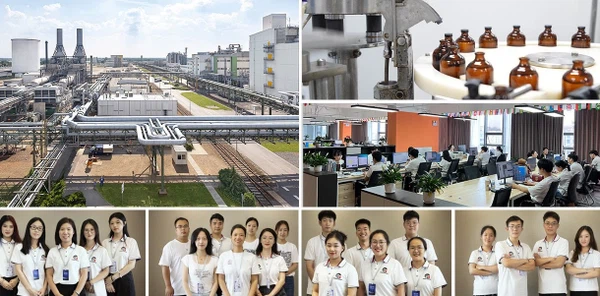
For companies looking to source p-xylene(PX) , Gneebio offers a reliable supply backed by over a decade of experience in chemical manufacturing and export. With strict quality control, competitive pricing, and flexible packaging options.
Our strict quality control and comprehensive certifications - including ISO9001, ISO14001, GMP, USP, and EP - ensure that every batch meets international standards.
Related Chemical Products from Gneebio
Bulk Industrial buyers often purchase p-xylene (CAS 106-42-3) together with other solvents and intermediates.
Here are the most popular products:
| Product Name | CAS |
|---|---|
| para xylene | 106-42-3 |
| Methyl Methacrylate (MMA) | 80-62-6 |
| 2-Methoxyethanol | 109-86-4 |
| Propionic Acid | 79-09-4 |
| Ethylene Glycol (Meg) | 107-21-1 |
| N, N-Dimethylacetamide (DMAC) | 127-19-5 |
Purchase Chemical Raw Materials Click here: TIANJIN GNEE BIOTECH CO., LTD.