




Methyl acetate (MeOAc, CAS 79‑20‑9), also known as acetic acid methyl ester, is a colorless, volatile organic ester with a sweet, fruity odor. Its combination of low toxicity, high solubility, and rapid evaporation makes it a highly versatile solvent and chemical intermediate in many industries.
Most Common Industrial Uses
- Organic Solvent: Widely used in paints, inks, adhesives, and cleaning agents as an organic solvent.
- Resin and Paint Production: In resin and paint manufacturing, methyl acetate serves as a key raw material, enhancing product properties such as coating film hardness and abrasion resistance.
- Fragrance Manufacturing: Possessing a distinctive aroma, methyl acetate is also employed in the food and perfume industries as a fragrance component to impart unique scents to products.
- Chemical Synthesis: Additionally, methyl acetate serves as an intermediate in producing other chemicals, including certain plastics, pharmaceuticals, and dyes.
- Extraction Agent: In chemical extraction processes, methyl acetate can extract oils and other useful compounds from plant and animal materials.

Further information on the Methyl Acetate
What are the properties of methyl acetate (MeOAc)?
Methyl acetate, also known as acetic acid methyl ester, is an organic ester containing a heteroatom functional group.
- Molecular formula: C₃H₆O₂
- Molecular weight: 74.08
- Appearance & Odor
- Colorless, transparent liquid
- Volatile with a characteristic aromatic odor
Physical Properties
- Melting point: −81°C
- Boiling point: 52–54°C
- Flash point: −19°C
- Density: 0.921 g/mL
- Readily soluble in water
- Miscible with organic solvents such as ethanol and diethyl ether
Chemical Properties
- Flammability: Flash point -10°C, explosive limits 3.1%–16.0% (by volume). Vapors form explosive mixtures with air.
- Hydrolysis: Hydrolyzes in vivo to form methanol, which is further metabolized into formaldehyde and formic acid.
- Reactivity: Decomposes upon UV irradiation into CO₂, H₂, and CO; reacts with thorium oxide at high temperatures to produce acetone and other products.
What are the storage conditions for methyl acetate (MeOAc)?
When handling methyl acetate, it is recommended to operate in a well-ventilated area, away from heat sources and open flames. Store containers tightly sealed in a cool, dry location. For laboratory or industrial use, appropriate protective equipment such as respirators and protective gloves should be worn to ensure safe handling.
Gneebio is a trusted methyl acetate (CAS 79-20-9) supplier, offering factory-direct pricing, bulk quantities, and fast global delivery.
Related Chemical Products from Gneebio
Bulk Industrial buyers often purchase methyl acetate together with other solvents and intermediates.
Here are the most popular products:
| Product Name | CAS |
|---|---|
| Cyclohexanone (CYC) | 108-94-1 |
| Methyl Methacrylate (MMA) | 80-62-6 |
| 2-Methoxyethanol | 109-86-4 |
| Propionic Acid | 79-09-4 |
| Ethylene Glycol (Meg) | 107-21-1 |
| N, N-Dimethylacetamide (DMAC) | 127-19-5 |
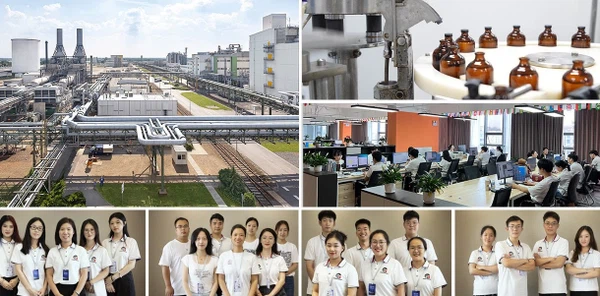
Purchase Chemical Raw Materials Click here: TIANJIN GNEE BIOTECH CO., LTD.