




What is Monoethanolamine (MEA)?
Monoethanolamine (MEA), chemical formula C2H7NO, also known as Ethanolamine, is a colorless, transparent liquid with an ammonia odor and strong hygroscopic properties. Due to its unique chemical properties, monoethanolamine plays an indispensable role in many industries.
Monoethanolamine Properties
What are the physical properties of Monoethanolamine?
Monoethanolamine is a colorless, transparent, viscous liquid at room temperature, hygroscopic, and has an ammonia odor. Its density is 1.02 g/cm³, flash point is 93.3℃ (open cup), and it is miscible with water, ethanol, and acetone, slightly soluble in ether and carbon tetrachloride. At 25℃, its solubility in benzene is 1.4%, in ether 2.1%, and in carbon tetrachloride 0.2%.
What are the Chemical Properties of Monoethanolamine?
Monoethanolamine is chemically reactive, exhibiting properties similar to alcohols and primary amines. It is weakly basic, forming salts with inorganic and organic acids, and reacting with acid anhydrides to form esters. It is flammable and poses a risk of combustion when exposed to open flames or high heat. It has low toxicity; its dilute solutions are very weakly alkaline and irritating, and with increasing concentration, it becomes irritating to the eyes, skin, and mucous membranes.

Monoethanolamine (MEA) Uses
Monoethanolamine (MEA) plays a key role in several industrial fields due to its unique chemical properties, mainly in the following categories:
Gas Purification and Absorption
Acidic Gas Absorbents:
- Carbon Dioxide Capture: MEA is widely used in power industry flue gas decarbonization. It has a fast absorption rate and low cost, but its capacity is small and desorption energy consumption is high.
- Natural Gas Purification: Removes acidic impurities such as hydrogen sulfide (H₂S) and hydrogen cyanide (HCN), preventing pipeline corrosion.
- Petroleum Refining: Removes CO₂ and H₂S from refinery gas, improving product quality.
- Application Case: A power plant uses MEA solution to absorb CO₂ from flue gas, achieving a removal efficiency of over 90%, but the solution needs to be regenerated periodically to maintain performance.
Gas Purification and Absorption
Acidic Gas Absorbents:
- Carbon Dioxide Capture: MEA is widely used in power industry flue gas decarbonization. It has a fast absorption rate and low cost, but its capacity is small and desorption energy consumption is high.
- Natural Gas Purification: Removes acidic impurities such as hydrogen sulfide (H₂S) and hydrogen cyanide (HCN), preventing pipeline corrosion.
- Petroleum Refining: Removes CO₂ and H₂S from refinery gas, improving product quality.
- Application Case: A power plant uses MEA solution to absorb CO₂ from flue gas, achieving a removal efficiency of over 90%, but the solution needs to be regenerated periodically to maintain performance.
Industrial Intermediates and Additives
Chemical Synthesis:
- Dye Intermediates: Synthesizes high-grade dyes such as turquoise blue 13G, improving the color and fastness of textiles.
- Pharmaceutical Intermediates: Prepares pH-adjusting buffers for antibiotics, ointments, and injections, ensuring drug purity.
- Pesticide Dispersants: Helps to evenly disperse active ingredients, improving pesticide utilization.
Functional Additives:
- Rubber Industry: Used as an accelerator and vulcanizing agent to improve the performance of rubber products.
- Plastics Industry: Used as a plasticizer to improve the flexibility of materials such as polyvinyl chloride (PVC).
- Cement Industry: Used as a grinding aid to reduce grinding energy consumption and improve production efficiency.
Metal Treatment and Corrosion Prevention
Corrosion Inhibitors:
- Boiler Water Treatment: Prevents scale formation and extends boiler life.
- Coolants and Lubricants: Inhibits corrosion of metal parts in automotive engines and drilling fluids.
- Metal Cleaners: Removes oil and oxides from metal surfaces, maintaining surface shine.
New Energy and Environmental Protection
- Biodiesel Decolorization: Monoethanolamine is used as a decolorizing agent to remove impurities from biodiesel and improve purity.
- Wood Preservation: Monoethanolamine is used in alkyl ketone amine (ACQ) and copper azole formulations to enhance wood's resistance to insects and decay.
Why Choose Gneebio as Your styrene Supplier?
Gneebio is a professional chemical raw-material manufacturer with over 10 years of export experience.
We provide factory-direct pricing, stable supply capacity, custom purity grades, and fast global shipping to more than 60 countries.
For bulk buyers, Gneebio offers reliable quality control (ISO/GMP) and competitive long-term contract pricing, making us a trusted partner for industrial procurement.
Related Chemical Products from Gneebio
Bulk Industrial buyers often purchase monoethanolamine (CAS 141-43-5) together with other solvents and intermediates.
Here are the most popular products:
| Product Name | CAS |
|---|---|
| para xylene | 106-42-3 |
| Methyl Methacrylate (MMA) | 80-62-6 |
| 2-Methoxyethanol | 109-86-4 |
| Propionic Acid | 79-09-4 |
| Ethylene Glycol (Meg) | 107-21-1 |
| N, N-Dimethylacetamide (DMAC) | 127-19-5 |
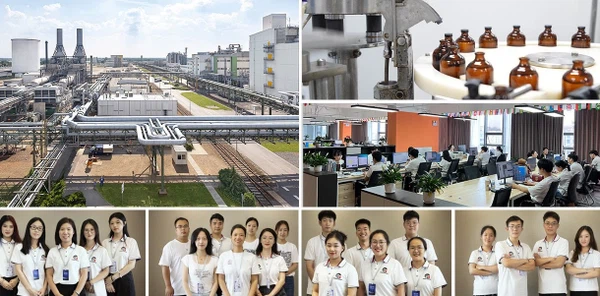
Purchase Chemical Raw Materials Click here: TIANJIN GNEE BIOTECH CO., LTD.