




Styrene Properties
Styrene (CAS: 100-42-5), with the chemical formula C8H8, is a colorless liquid with a petroleum-like odor. It is an olefinic organic compound composed of a benzene ring and a vinyl group. The molecular formula of styrene contains one aromatic ring and one non-aromatic ring, thus its molecular properties are more unique than those of other olefinic compounds.
Styrene is volatile at room temperature and miscible with many organic solvents. It has good stability and does not readily undergo polymerization. Styrene has a density of 0.91 g/cm³, a boiling point of 145℃, and a melting point of -31℃.
Styrene (CAS:100-42-5) is an important organic chemical raw material with the following chemical properties:
Addition Reactions
The styrene molecule contains a carbon-carbon double bond, enabling it to undergo addition reactions. For example, addition with hydrogen produces ethylbenzene. Under catalytic conditions, addition with halogens (such as bromine) decolorizes bromine water, yielding the corresponding brominated products. This reactivity stems from the highly active π bond in the carbon-carbon double bond, which readily undergoes addition reactions with other atoms or functional groups, making styrene chemically more reactive.
Oxidation Reactions
Styrene can be oxidized by strong oxidizing agents like acidic potassium permanganate solution. Potassium permanganate solution oxidizes styrene to products such as benzoic acid, causing the solution's purple color to fade. This demonstrates the instability of the carbon-carbon double bond in styrene, which readily undergoes oxidation and structural changes.
Polymerization Reaction
Styrene is a readily polymerizable compound. Under the action of initiators, the carbon-carbon double bond in styrene molecules can open and link together to form the polymer polystyrene. Polystyrene possesses excellent insulation, heat resistance, and mechanical properties, finding extensive applications in plastics, foam materials, and other fields. This polymerization reaction forms the crucial foundation for producing polymeric materials like polystyrene, underscoring styrene's pivotal role in the chemical industry.
Electrophilic Substitution Reactions
The aromatic nature of the benzene ring confers styrene with significant electrophilic substitution reactivity. For instance, styrene undergoes nitration and sulfonation reactions, introducing nitro or sulfonic acid groups onto the benzene ring. However, compared to pure benzene, styrene exhibits relatively weaker electrophilic substitution reactivity. This is because the presence of the carbon-carbon double bond in the styrene molecule affects the electron density distribution of the benzene ring.

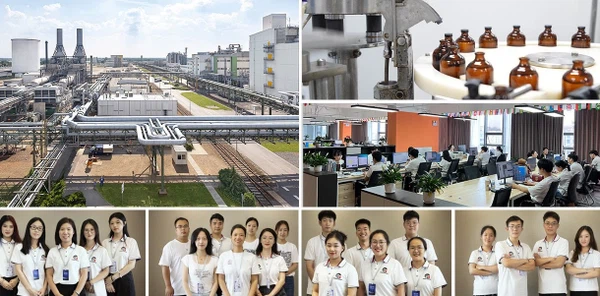
Why Choose Gneebio as Your styrene Supplier?
Gneebio is a professional chemical raw-material manufacturer with over 10 years of export experience.
We provide factory-direct pricing, stable supply capacity, custom purity grades, and fast global shipping to more than 60 countries.
For bulk buyers, Gneebio offers reliable quality control (ISO/GMP) and competitive long-term contract pricing, making us a trusted partner for industrial procurement.
Related Chemical Products from Gneebio
Bulk Industrial buyers often purchase styrene (CAS:100-42-5) together with other solvents and intermediates.
Here are the most popular products:
| Product Name | CAS |
|---|---|
| para xylene | 106-42-3 |
| Methyl Methacrylate (MMA) | 80-62-6 |
| 2-Methoxyethanol | 109-86-4 |
| Propionic Acid | 79-09-4 |
| Ethylene Glycol (Meg) | 107-21-1 |
| N, N-Dimethylacetamide (DMAC) | 127-19-5 |
Purchase Chemical Raw Materials Click here: TIANJIN GNEE BIOTECH CO., LTD.