




IPBC is a halogenated unsaturated organic compound. In the cosmetics industry, it is said to be the best preservative for inhibiting mold. It has been gradually used since the 1990s, and as of now, IPBC is no longer considered a new raw material.
IPBC is a white or off-white crystalline powder, synthesized with propargyl butylcarbamate and iodine as the main raw materials.
Chemical name: 3-iodo-2-propynyl-butylcarbamate
Chemical structure:
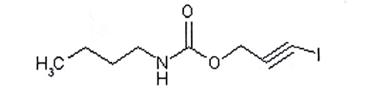
INCI name: IODOPROPYNYL BUTYLCARBAMATE
Molecular formula: C8H12INO2
Relative molecular weight: 281.09
CAS number: 55406-53-6
Melting point: 65-68℃
Solubility: easily soluble in organic solvents such as ethanol, propylene glycol, polyethylene glycol, and difficult to dissolve in water.
Specific application
IPBC began to be used in the anti-corrosion of wood, wallpaper glue, canvas, etc. in 1979, mainly for mildew prevention. In industrial applications such as coatings, leather chemicals, wood products and fibers, IPBC is used as an antiseptic and fungicide.
IPBC is a fungal inhibitor in cosmetic preservatives. It is often used in combination with antibacterial preservatives, such as imidazolidinyl urea and bis(hydroxymethyl)imidazolidinyl urea, to solve many complex formula preservation problems. It has excellent antibacterial properties and broad-spectrum antibacterial activity, especially against molds, yeasts and algae. In daily chemical products, IPBC can be used to remove dandruff and relieve itching.