


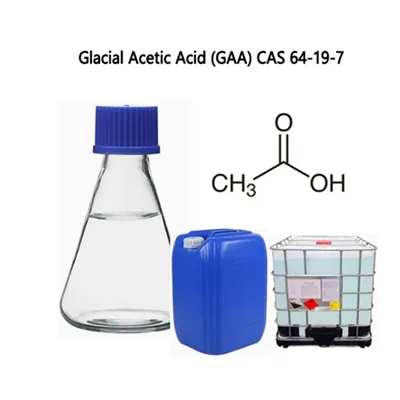


1. Flammable and explosive chemical reagents
Generally, chemical reagents with a flash point below 25 °C are included in flammable chemical reagents, which are mostly highly volatile liquids that can be burned when exposed to an open flame. The lower the flash point, the more flammable. Common flash points below -4 °C include petroleum, ethyl chloride, ethyl coal, ether, gasoline, carbon dicarbide, propyl azi, benzene, ethyl acetate, and methyl acetate.
When using easy-to-use chemicals, you should never use open flame power. This kind of chemical reagent should be stored in a cool and ventilated place, when placed in the refrigerator, be sure to use an explosion-proof refrigerator, there has been an accident that stores ether in an ordinary refrigerator and causes a fire and burns the entire laboratory.
Flammable reagents can also cause explosions when burning fiercely, some solid chemical reagents such as: nitrocellulose, picric acid, trinitrotoluene, trinitrobenzene, azide or overlapping compounds, horoate, etc., itself is explosive, hot or open flame, they are very flammable or decomposed, explosion, in the use of these chemical reagents must not be directly heated, when using these chemical reagents, also pay attention to the surrounding do not have open flames.
There is also a class of solid chemical reagents, which can react violently when exposed to water, and release a large amount of heat, and can also produce explosions. Such chemical reagents include metal potassium, sodium, lithium, calcium, aluminum hydride, calcium carbide, etc., and they must be avoided from direct contact with water when using these chemical reagents.
There are also some solid chemical reagents that can undergo strong oxidation when in contact with them. Some of them can cause rapid combustion and even explosion when in contact with oxidants or heat, impact or friction in the air. Such as phosphorus sulfide, red phosphorus magnesium powder, zinc powder, aluminum powder, puree, brain, etc., when using these chemical reagents, we must pay attention to the surrounding environment temperature is not too high (generally not more than 30 °C, preferably below 20 °C) Do not contact with strong oxidants.
Experimenters who use flammable chemical reagents should wear the necessary protective equipment, preferably protective glasses.
2. Toxic chemical reagents
General chemical reagents are toxic to the human body, must avoid a large number of inhalation when using, after the use of public reagents, to wash hands, face, bath, change work clothes, for some inhalation or ingestion of a small amount of chemical reagents that can be poisoned to death, biological test to the lethal dose (LD50) below 50mg/kg is called highly toxic chemical reagents, such as: potassium cyanide, sodium cyanide and other cyanide, arsenic trioxide and some arsenide, mercuric dichloride and some mercury salts, sulfuric acid, dimethyl ester and so on. When using chemical reagents with unclear performance, it is important to know its LD50. For some commonly used highly toxic chemical reagents, we must understand the first-aid treatment methods when these chemical reagents are poisoned, and the highly toxic chemical reagents must be kept by a special person and the amount of use must be strictly controlled.
3. Corrosive chemicals
Any chemical reagent should be cleaned in time when it touches the skin, mucous membranes, eyes, and respiratory organs, especially the chemical reagents (whether liquid or solid) that are extremely corrosive to the skin, mucous membranes, eyes, and respiratory organs, such as: various acids and alkalis, phosphorus trichloride, phosphorus oxychloride, bromine, phenol, hydrazide, etc. It is also necessary to avoid touching the skin, mucous membranes, eyes, and respiratory organs, and be sure to understand the first aid treatment methods for contact with these corrosive chemical agents before use. If acid splashes on the skin, it should be washed with dilute lye, etc.
4. Strong oxidizing chemical reagents
Strongly oxidizing chemical reagents are peroxides or oxygenated acids and their salts that contain strong oxidizing power. Such as: peroxide acid, nitric acid, potassium nitrate, perchloric acid and its salts, bionic acid and its salts, permanganic acid and its salts, benzoic acid peroxide, perylic acid, phosphorus pentoxide and so on. Strong oxidizing chemical reagents can release oxygen to explode under appropriate conditions, and form explosive mixtures with organic magnesium, aluminum, zinc powder, sulfur and other flammable substances, some water may also explode, when using such strong oxidizing chemical reagents, the ambient temperature should not be higher than 30 °C, the ventilation should be good, and should not be used together with organic matter or reducing substances (heating).
5. Radiochemical reagents
When using such chemical reagents, it is necessary to take protective measures according to the method of using radioactive substances.